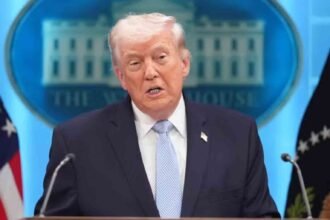

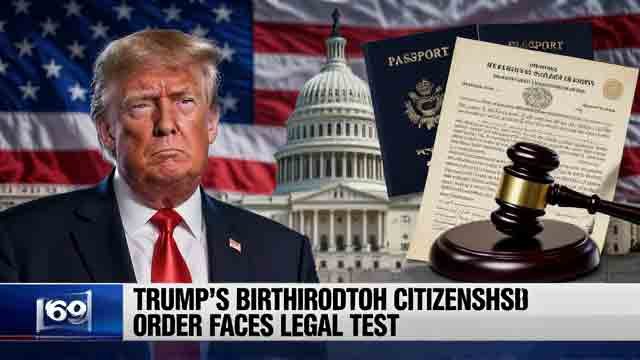
A federal judge in Maryland has refused to immediately block President Donald Trump’s latest executive order seeking to restrict birthright citizenship. The decision allows the policy to remain temporarily while a broader legal challenge proceeds.
What is Trump’s new order?
- Trump signed the new order on August 6, 2026, following the U.S. Supreme Court’s June ruling concerning his earlier attempt to restrict birthright citizenship.
- The new order directs federal agencies to deny citizenship recognition in certain cases involving children born in the United States when neither parent is a U.S. citizen.
- The order focuses on specific situations, including certain cases involving foreign diplomats, terrorism related provisions, alleged fraudulent arrangements and some international surrogacy arrangements.
Judge does not rule that the order is constitutional
- U.S. District Judge Deborah Boardman declined to issue an immediate temporary restraining order against the policy.
- However, this does not mean the judge has ruled that Trump’s order is constitutional. The broader legal challenge remains active and the plaintiffs have been allowed to amend their case to directly challenge the new order.
Constitutional debate continues
- The Trump administration argues that the new order is narrower than its earlier policy and is consistent with the Supreme Court’s interpretation of the 14th Amendment.
- Immigrant rights groups and opponents argue that the administration is attempting to weaken the constitutional principle that people born in the United States are generally entitled to citizenship.
Implementation still developing
- Federal agencies are expected to issue additional guidance on how the order will be implemented. The practical impact could become clearer in the coming weeks.
What happens next?
- The plaintiffs are expected to continue their legal challenge. The case could move through the federal appeals courts and potentially reach the U.S. Supreme Court again.
- The dispute could become one of the most significant immigration and constitutional battles of Trump’s presidency.
Why it matters
The case could affect how U.S. citizenship is granted to certain children born in America and could have broader implications for the interpretation of the 14th Amendment.