
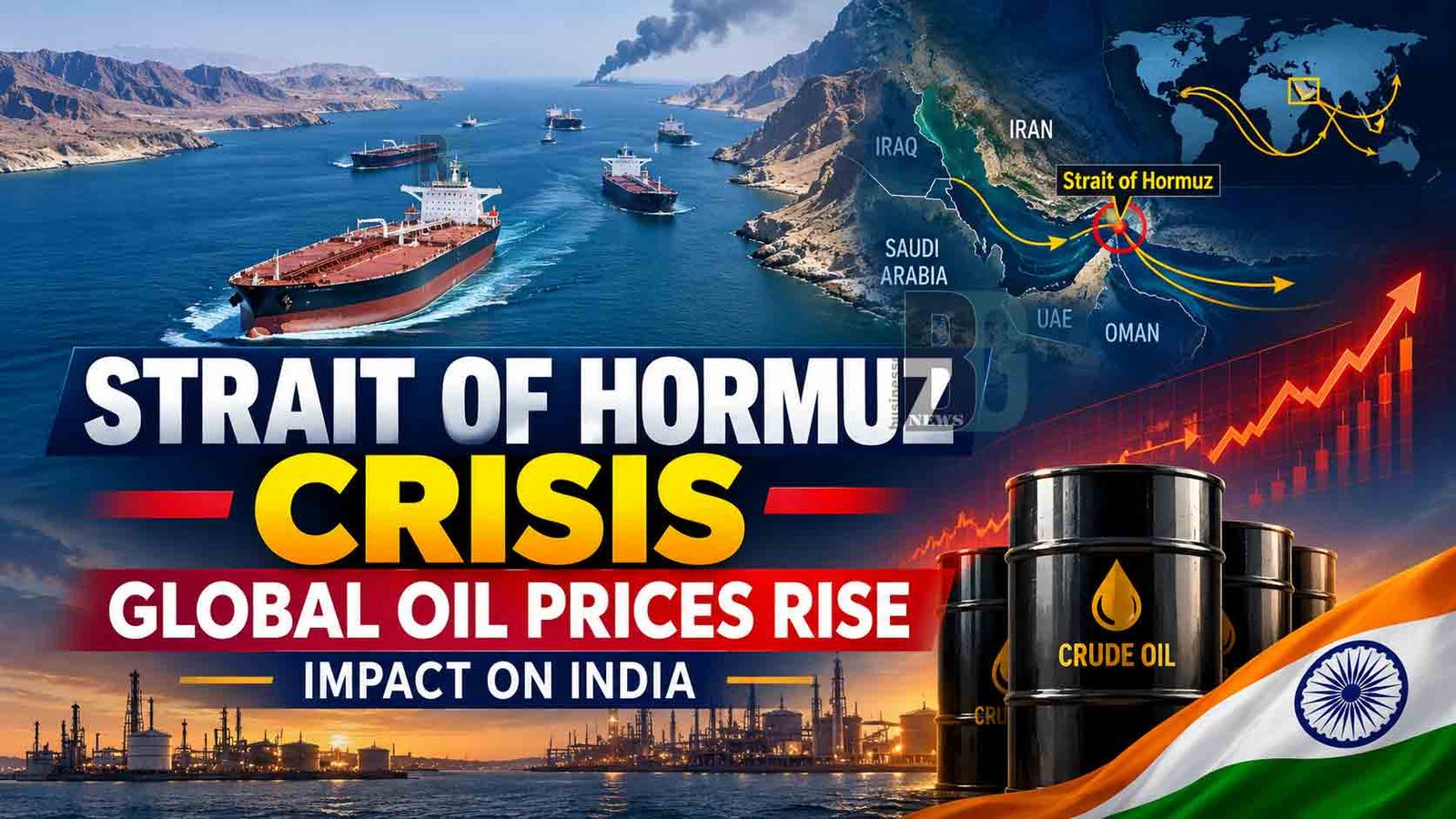
New Delhi: Rising tensions around the Strait of Hormuz are raising fresh concerns over global oil supplies, shipping security and energy prices. Recent attacks on commercial vessels and continued hostilities in the Middle East have increased uncertainty in international energy markets.
According to Reuters, Brent crude futures rose to approximately $106.03 per barrel on Wednesday, while US West Texas Intermediate (WTI) crude reached around $94.42 during trading. The increase followed reports of attacks on a tanker and a container ship near the Strait of Hormuz. Prices remain subject to market fluctuations.
Why Is the Strait of Hormuz Important?
- The Strait of Hormuz is a strategically important waterway connecting the Persian Gulf with the Gulf of Oman and the wider Indian Ocean. Major oil and gas producers in the Middle East rely on this route to transport energy supplies to international markets.
- Any disruption to shipping through the strait can affect oil availability, transportation costs, insurance premiums and international energy prices.
- The current crisis has increased concerns among shipowners and energy traders, with some shipping operators reconsidering whether to send vessels through the affected region.
- According to recent reporting by the Financial Times, attacks on commercial vessels have intensified, affecting oil tankers and other cargo ships. An Indian container ship was also reportedly struck and two Indian seafarers were reported missing in the coverage. The status of the crew should be confirmed through official maritime and Indian government updates.
Oil Prices Rise Amid Shipping and Supply Risks
- International crude prices have moved higher as traders assess the potential impact of further attacks and disruptions to energy shipments.
- The immediate concern is not only whether oil production will fall, but also whether producers can safely transport their supplies to buyers.
- Saudi Arabia has increased oil production in recent months, helping to offset some supply disruptions. OPEC+ production also rose in September, according to its latest monthly report. However, increased production cannot fully eliminate transportation risks if shipping routes remain unsafe or insurance and freight costs continue to rise.
- A prolonged disruption could therefore keep oil prices volatile even if additional crude oil is available in producing countries.
How Could the Crisis Affect India?
India is one of the world’s major oil importing economies and relies heavily on overseas crude oil supplies to meet domestic demand. Higher international oil prices can increase the cost of importing energy and put pressure on the country’s external finances.
The main potential effects include:
- Higher import costs
If crude oil prices remain elevated, Indian refiners may need to pay more for imported oil. This could increase the country’s overall energy import bill and put pressure on the trade balance. - Petrol and diesel price pressures
Sustained increases in crude oil prices can put pressure on domestic fuel pricing. However, international price movements do not automatically result in immediate changes to petrol and diesel prices in India. Actual retail prices depend on government policy, taxes, exchange rates, oil company decisions and other factors. - Inflation risks
Higher energy costs can increase transportation, manufacturing and logistics expenses. If businesses pass these costs on to consumers, prices of some goods and services could rise. - Pressure on the rupee
A higher oil import bill can increase demand for foreign currency, particularly US dollars. Depending on broader financial market conditions and capital flows, this may put additional pressure on the Indian rupee. - Risks to gas and industrial supplies
The Strait of Hormuz is also important for liquefied natural gas (LNG) shipments. Disruptions can affect the cost and availability of gas used by fertiliser manufacturers, power producers, city-gas networks and other industries.
India Looks for Alternative Energy Supplies
- India has diversified its crude oil procurement across multiple countries and has been seeking supplies that do not depend on passage through the Strait of Hormuz.
- The Ministry of Petroleum and Natural Gas said in a March 2026 briefing that around 70% of India’s crude oil imports were being sourced from outside the strait at that time. That figure reflects the situation reported in March and should not be treated as a confirmed current share without updated official data.
- Recent trade reporting also indicates that India has adjusted its LNG suppliers amid disruptions. In September 2026, Oman overtook the United States as India’s leading LNG supplier, according to The Indian Express. This illustrates how buyers are adjusting sourcing patterns in response to changing shipping and market conditions.
- Diversification can reduce exposure to a single shipping route, but it does not completely protect India from a worldwide increase in energy prices.
What Should Consumers and Businesses Watch?
- The next phase of the crisis will depend on whether attacks on shipping continue, whether commercial vessels can safely transit the strait, and whether diplomatic efforts reduce regional tensions.
- For India, key indicators include international crude prices, the rupee’s exchange rate, the cost of shipping and insurance, domestic fuel-price decisions and official updates on LPG and natural gas supplies.
- Businesses that depend heavily on fuel and transportation may need to monitor operating costs closely. Consumers should rely on verified government announcements rather than social media rumours about fuel shortages or immediate price increases.
Conclusion
- The Strait of Hormuz crisis is both a geopolitical and an economic concern. Rising oil prices could increase India’s import bill and create inflationary pressures if elevated costs persist. India’s diversified energy sourcing offers some protection, but continued disruption to a major global shipping route remains a risk for the economy.
- The duration and severity of the crisis will determine whether the current market pressure remains temporary or develops into a more sustained challenge for India’s energy security.
Business Galaxy | Reporting Facts. Shaping Futures.