

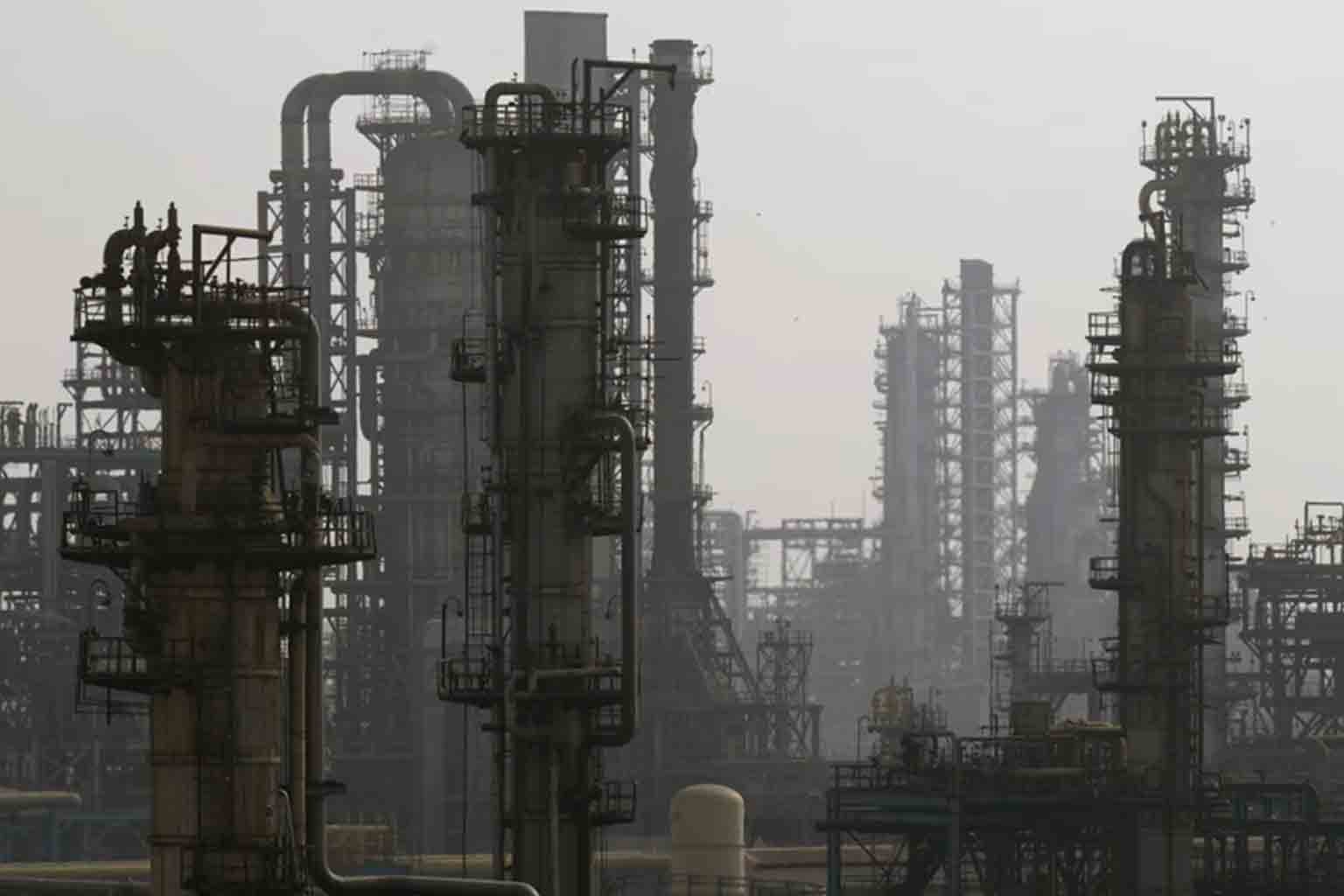
The ongoing tensions linked to the Iran conflict are beginning to create serious ripple effects far beyond the Middle East, with India’s chemical industry now facing mounting pressure from rising crude oil prices, disrupted supply chains and tightening credit conditions from overseas suppliers.
Industry executives and traders say many Indian chemical companies, particularly small and medium-sized enterprises (SMEs), are facing a severe working capital crunch as global uncertainty reshapes trade and financing conditions. Several importers who previously received supplier credit periods of 60 to 90 days are now reportedly being asked to make advance payments or settle purchases upfront in cash.
The tightening credit environment comes amid sharp volatility in global energy markets. Crude oil prices surged dramatically during the recent Gulf tensions, at one stage rising from around $70 per barrel to nearly $126 amid fears over disruptions in the Strait of Hormuz, one of the world’s most important oil shipping routes.
As oil prices climbed, petrochemical costs also rose sharply across several categories used by Indian manufacturers. Industry reports indicated that prices for certain petrochemical inputs surged by as much as 63%, increasing pressure on companies already struggling with freight costs and uncertain delivery timelines.
India’s chemical industry is heavily dependent on imported raw materials and intermediates, particularly for petrochemicals and specialty chemicals used across manufacturing sectors. Analysts say the current disruption highlights how geopolitical conflicts can quickly spread through industrial supply chains even in countries not directly involved in the war.
The impact is not limited to chemical manufacturers alone. Chemicals and petrochemical derivatives are widely used in multiple industries, including FMCG products, pharmaceuticals, textiles, packaging materials and agriculture. Economists warn that prolonged disruptions could eventually raise costs for a wide range of everyday consumer products.
Industry representatives say SMEs are facing the greatest pressure because many operate on thin margins and depend heavily on supplier credit to maintain production cycles. With suppliers becoming more cautious about payment risks during the ongoing geopolitical crisis, several smaller companies are reportedly struggling to manage inventory purchases and day to day operations.
Business leaders also warned that unstable global shipping conditions and rising insurance costs for Gulf region cargo have added further uncertainty to imports. Traders said concerns over maritime security in the Gulf have increased freight rates and extended delivery timelines for critical industrial inputs.
Market analysts say the situation demonstrates how economic vulnerability can emerge when industries rely heavily on imported raw materials and energy linked feedstocks. Experts noted that modern geopolitical conflicts increasingly affect economies through supply chains, financing systems and commodity markets rather than only through direct military confrontation.
Despite the growing pressure, industry officials said larger integrated chemical firms remain relatively better positioned due to stronger balance sheets and diversified sourcing networks. However, many SMEs continue to operate under significant financial stress as volatility in energy and commodity markets persists.
Economists and trade experts have called for closer monitoring of industrial financing conditions and supply chain resilience as India’s manufacturing sector navigates the broader global uncertainty created by ongoing geopolitical tensions.