
As tensions escalate in the Middle East, a powerful narrative is spreading online: that the real conflict is not between the United States and Iran, but between the U.S. dollar and China’s rising yuan using Iran as the battleground.
While this idea captures part of a larger geopolitical reality, experts say it oversimplifies a far more complex situation.
What’s Actually Happening on the Ground
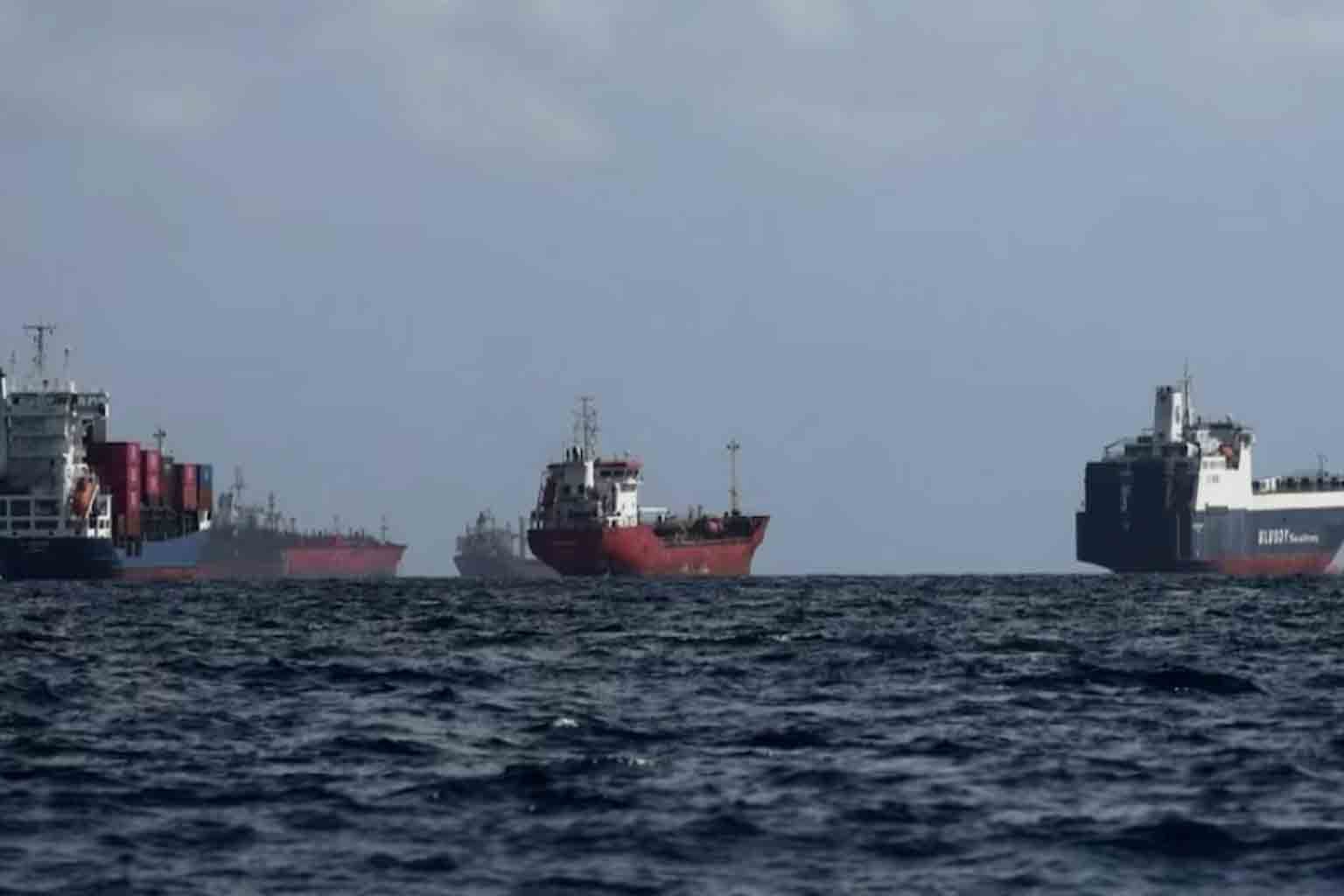
The ongoing conflict has already disrupted global oil flows through the Strait of Hormuz, one of the world’s most critical energy routes. Shipping traffic has sharply declined and oil tankers are being turned back amid military tensions.
This narrow waterway normally carries about 20% of global oil supply, making it central to global energy security.
China’s Role: Bigger Than Ever
China is undeniably a key player in this crisis:
- It is Iran’s largest oil buyer, purchasing a major share of Iran’s exports.
- In recent years, China has imported around 1-1.4 million barrels per day from Iran, forming a noticeable portion of its energy mix.
- Much of this trade happens through indirect or “Shadow” channels due to sanctions.
Some reports even suggest China accounts for up to 80-90% of Iran’s oil exports, though exact figures vary due to opaque trade routes.
👉 This is where the viral claim gets traction:
If Iran’s oil mainly flows to China, then any disruption affects Beijing directly.
Is the US Targeting China Indirectly?
There is no official confirmation that U.S. military actions are aimed at China.
Washington’s stated goals remain:
- Containing Iran’s nuclear program
- Protecting maritime security
- Supporting regional allies
However, analysts acknowledge that U.S.-China rivalry forms the broader backdrop.
- The conflict is testing global energy systems and financial influence, including the dominance of the U.S. dollar.
- Some strategic analyses suggest pressure on Iran could indirectly affect China’s energy security and trade flows.
👉 In simple terms:
China is not the declared target but it is unavoidably impacted.
Energy War or Regional Conflict?
The idea of a “Dollar vs Yuan” war comes from a real trend:
- China has been trying to expand the use of the yuan in oil trade
- The U.S. dollar still dominates global energy markets
But current evidence shows:
- The conflict is primarily regional (US-Iran–Israel dynamics)
- With global economic consequences, especially for China
Even analysts note China has prepared for such crises with large oil stockpiles and alternative supply routes, reducing immediate vulnerability.
Reality Check: Breaking Down the Viral Claim
| Claim | Reality |
|---|---|
| “90% of Iranian oil goes to China” | Largely true in exports, but complex and indirect |
| “Warships are warning China” | ❌ No official evidence |
| “This is Dollar vs Yuan war” | ⚠️ Partly analytical, not confirmed policy |
| “Iran is just a battleground vs China” | ❌ Oversimplified |
Bottom Line
The current conflict is not simply a hidden war between the U.S. and China.
It is:
- A regional military confrontation
- With global economic ripple effects
- Taking place in a world already shaped by U.S.-China rivalry
👉 The “Dollar vs Yuan” angle is a strategic interpretation not a proven fact.