

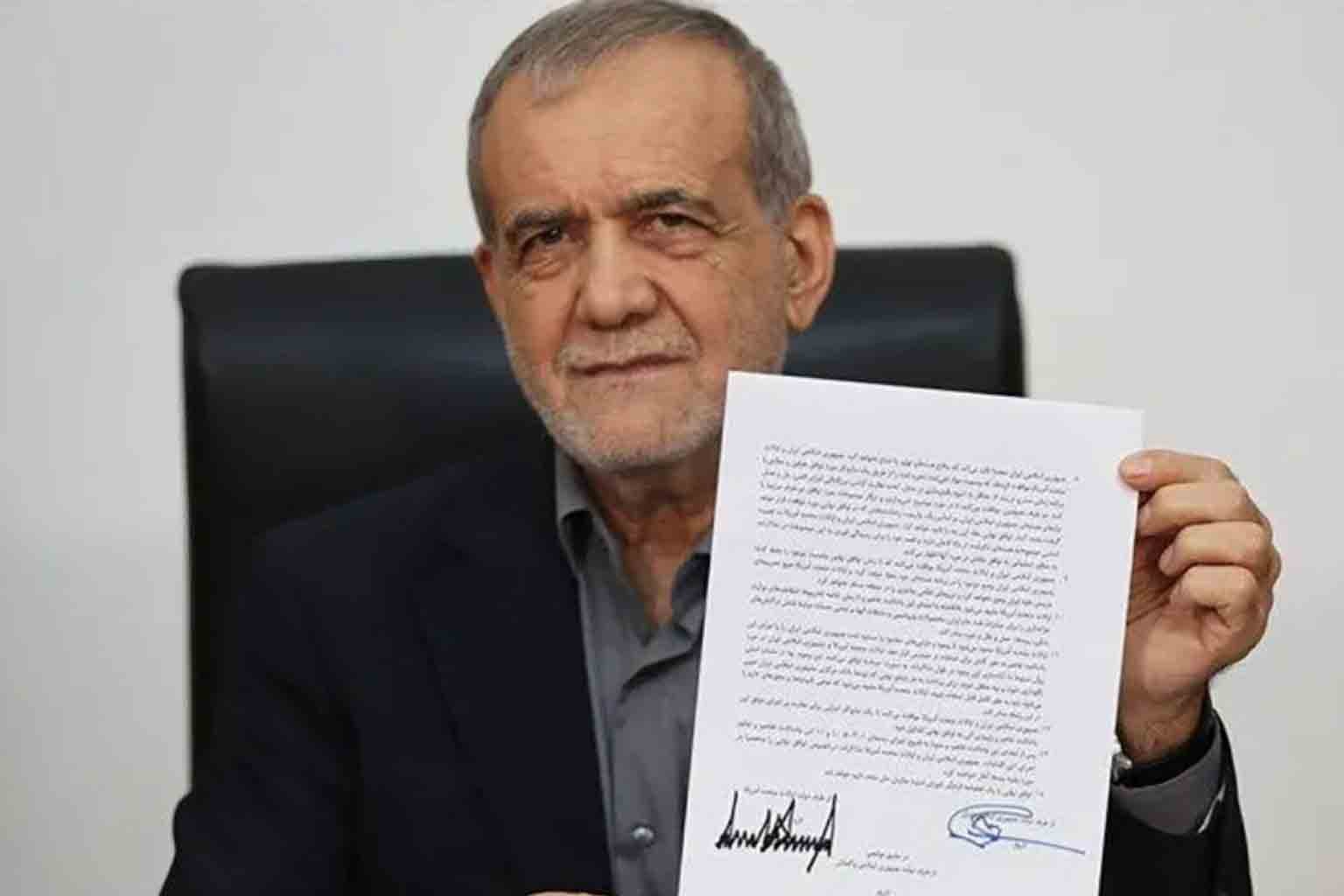
The proposed memorandum of understanding (MoU) between the United States and Iran, expected to be formally signed in Switzerland, outlines a framework to end hostilities and launch a 60 day negotiation process on major unresolved issues, including Lebanon, the Strait of Hormuz and Iran’s nuclear programme. The agreement is considered an interim framework rather than a final peace treaty.
Lebanon
Under the draft agreement, the United States, Iran and their respective allies would halt military operations across all fronts, including Lebanon. Iran is expected to use its influence to help prevent further escalation involving allied groups operating in Lebanon. The aim is to create conditions for a broader regional de-escalation. However, Israel has reportedly indicated that it does not consider itself bound by provisions relating to Lebanon because it is not a signatory to the agreement.
Strait of Hormuz
One of the most significant provisions concerns the Strait of Hormuz, a key global oil shipping route. Iran has agreed to restore safe passage for commercial vessels and work toward normalizing maritime traffic. In return, the United States would begin lifting its naval blockade and ease restrictions affecting Iranian ports and oil exports. The reopening of Hormuz is expected to support global energy supplies and reduce pressure on oil markets.
Uranium and Nuclear Programme
The agreement does not fully resolve the nuclear dispute but creates a framework for future negotiations. Iran has reaffirmed that it will not develop or acquire nuclear weapons. During the 60 day negotiation period, Tehran is expected to maintain the current status of its nuclear programme and avoid further expansion. The future of Iran’s enriched uranium stockpile, uranium enrichment levels and nuclear verification mechanisms will be negotiated under the supervision of the International Atomic Energy Agency (IAEA). Reports indicate that options being discussed include dilution, neutralization or monitored disposal of highly enriched uranium.
The agreement also includes discussions on sanctions relief, oil exports and the release of frozen Iranian assets, though many of these measures remain tied to the successful completion of future negotiations. Officials from both sides have acknowledged that the most difficult issues, particularly those involving uranium enrichment and long-term security arrangements, are still to be resolved.