
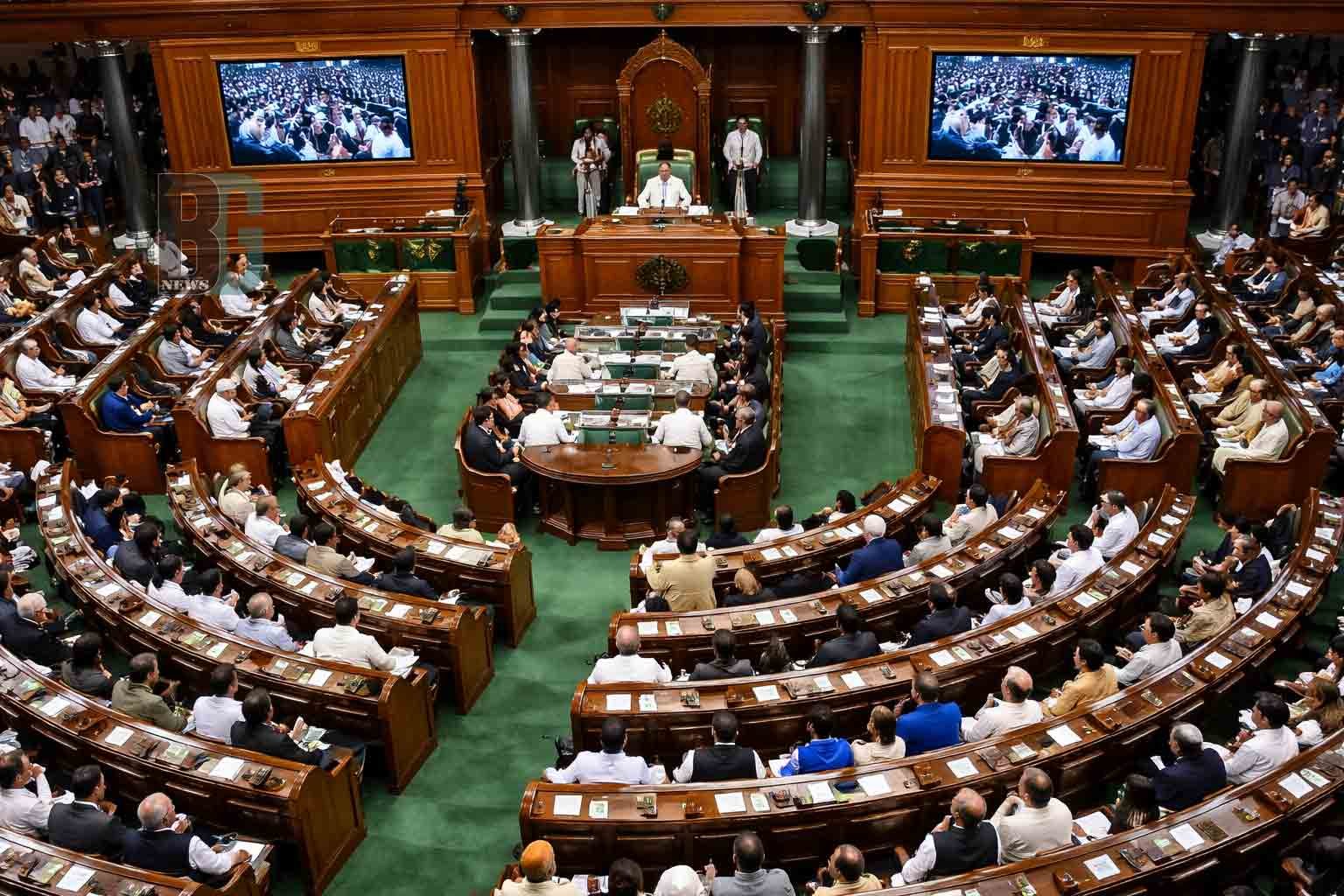
India’s Parliament has resumed its session with a renewed focus on several key legislative proposals, including discussions linked to women’s reservation in elected bodies.
The debate comes amid continued political attention on improving women’s representation in governance. Lawmakers from multiple parties are expected to share their positions on how best to implement reservation policies, address concerns around constituency delimitation, and ensure fair political participation.
The proposal for women’s reservation, often associated with the Nari Shakti Vandan Adhiniyam, seeks to reserve a significant percentage of seats in the Lok Sabha and state legislative assemblies for women. While the bill has been passed earlier, its implementation is tied to future delimitation exercises, which remains a point of debate among political leaders.
During the current session, members of Parliament are also discussing related issues such as representation of marginalized communities, electoral reforms, and the timeline for rolling out reservation provisions. Some opposition leaders have called for quicker implementation, while others have raised questions about procedural clarity and inclusiveness.
The government, on its part, has reiterated its commitment to strengthening women’s participation in politics, describing it as a major step toward inclusive governance and social equity.
As discussions continue, the outcome of these debates is expected to shape the future roadmap for women’s political representation in India, with broader implications for electoral reforms and democratic participation.