
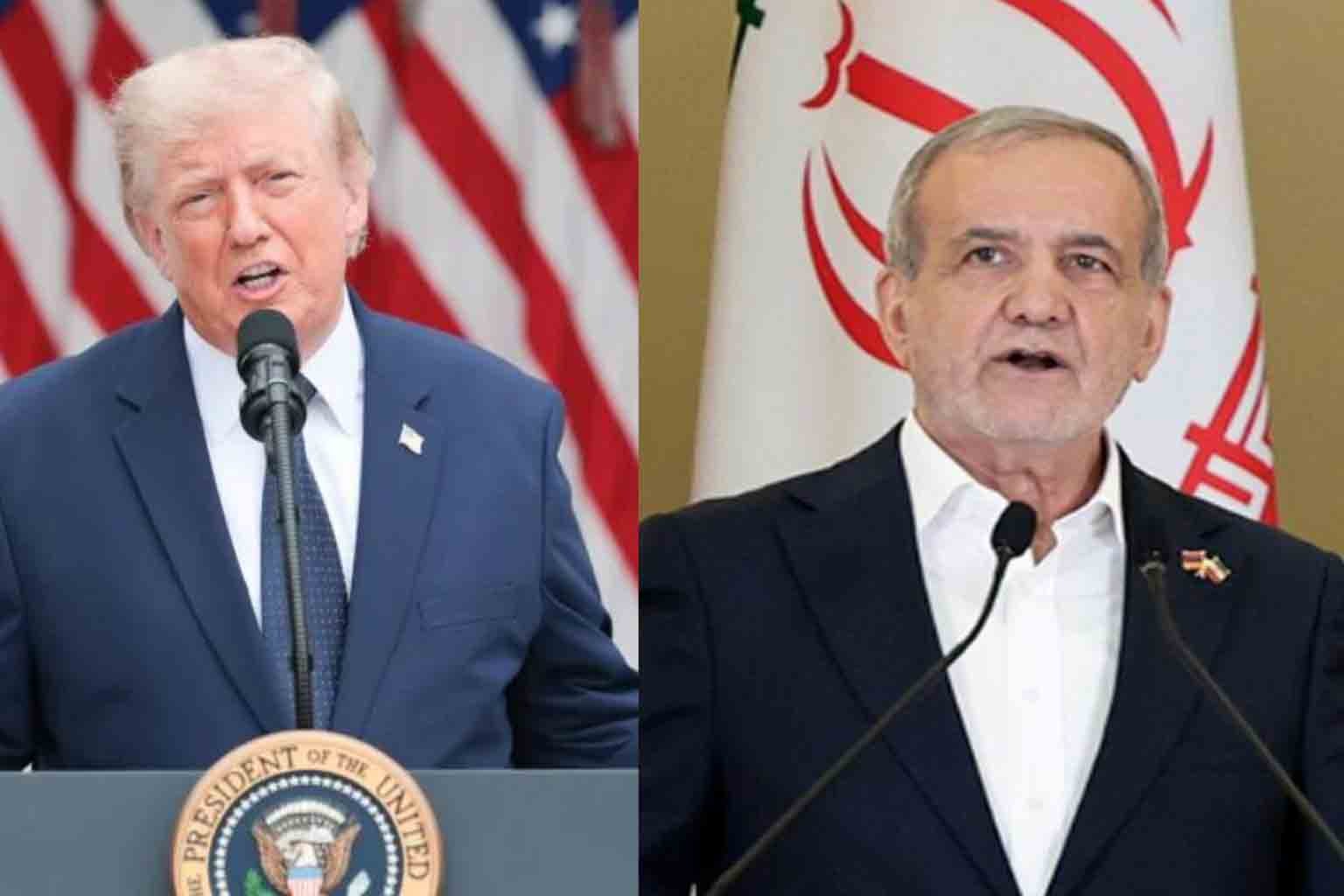
The conflict between the United States and Iran has intensified sharply after the deaths of American soldiers in recent Iranian missile and drone attacks. U.S. President Donald Trump warned that Iran would “pay many times over” for every American service member killed, signaling that further military retaliation is likely.
Trump’s statement came after two U.S. soldiers were killed in a missile and drone attack in Jordan, while another American soldier died in Iraq during operations involving an Iranian drone. The latest casualties have increased the number of U.S. military personnel killed since the conflict escalated earlier this year.
Meanwhile, Iranian President Masoud Pezeshkian declared that Iran is now fighting a “Full scale war” with the United States. He said Iran would continue defending its sovereignty despite expanding U.S. airstrikes on military bases, missile facilities and strategic infrastructure across the country.
The United States has carried out another wave of airstrikes targeting Iranian military installations, while Iran has responded with attacks on U.S. interests and allies in the Gulf region, including strikes affecting Kuwait, Bahrain and shipping in the Strait of Hormuz. The Iran backed Houthi movement in Yemen has also announced a maritime blockade against Saudi Arabia, further raising regional tensions.
The growing conflict has disrupted global energy markets, with oil prices rising as commercial shipping through the Strait of Hormuz faces increasing risks. Governments across the region remain on high alert amid fears that the fighting could expand further.
Despite the escalating military confrontation, diplomatic efforts are continuing. Mediators, including regional partners, are working to secure a temporary ceasefire and reopen negotiations, although no breakthrough has yet been announced.