
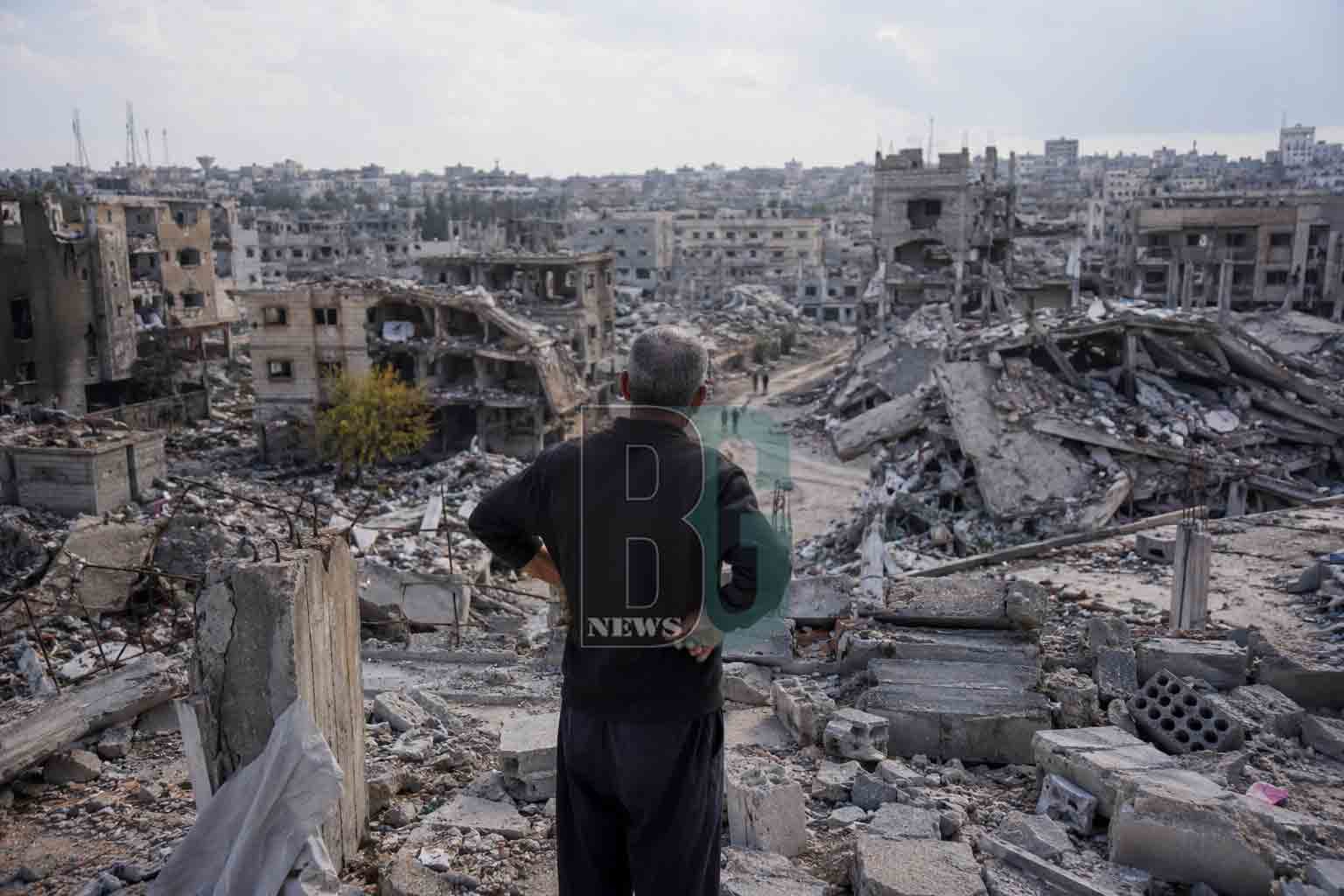
Lebanon: Residents returning to the southern Lebanese city of Nabatieh after days of intense fighting and bombardment say they have been met with scenes of devastation, shattered homes and destroyed livelihoods, with many describing the once bustling city as a place where “there is no life” left.
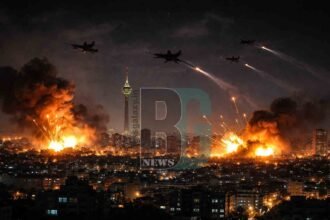
Nabatieh, one of southern Lebanon’s largest cities, has suffered extensive damage during months of conflict involving Israel and Hezbollah. Large sections of the city have been reduced to rubble, forcing tens of thousands of residents to flee their homes as airstrikes and military operations intensified across the region.
Although a ceasefire and de-escalation efforts have encouraged some displaced families to return and inspect their properties, many have found little left to salvage. Residents walking through damaged neighborhoods described streets lined with collapsed buildings, destroyed businesses and piles of debris stretching across entire districts.
One resident returning to inspect his property reportedly found that decades of work had been wiped out by the destruction. Business Owners, Shopkeepers and Families said they were struggling to comprehend the scale of the damage, with many uncertain whether they would be able to rebuild their lives.
The conflict has displaced large numbers of people across southern Lebanon. According to reports, many residents remain unable or unwilling to return permanently due to security concerns, damaged infrastructure, and the continued risk of hostilities. Lebanese authorities have also urged caution, warning civilians about potential dangers in affected areas.
Despite the ceasefire, tensions remain high. Residents and local officials have reported ongoing military activity and sporadic incidents in parts of southern Lebanon, raising concerns about the durability of the truce. Many returning families say they fear renewed violence could undo any recovery efforts before reconstruction even begins.
The humanitarian impact of the conflict has been severe. Thousands of homes have been damaged or destroyed, public infrastructure has suffered extensive losses, and local economies have been disrupted. Aid organizations and emergency responders continue to assess the needs of affected communities while providing assistance to displaced families.
For many residents, however, the emotional toll may prove even harder to overcome. Standing amid the ruins of their homes and businesses, families spoke of grief, uncertainty and the challenge of rebuilding after months of war. While some remain hopeful that life will eventually return to Nabatieh, others say the city they once knew has been fundamentally changed.
As recovery efforts begin, the people of Nabatieh face a long road ahead, with reconstruction, security and humanitarian support likely to remain major challenges in the months to come.