
New Delhi: The Lok Sabha has passed the Taxation and Other Laws (Amendment) Bill, 2026, creating a legal framework that empowers the Central Government to allow banks and payment service providers to levy a Merchant Discount Rate (MDR) on specified digital payment transactions, including UPI.
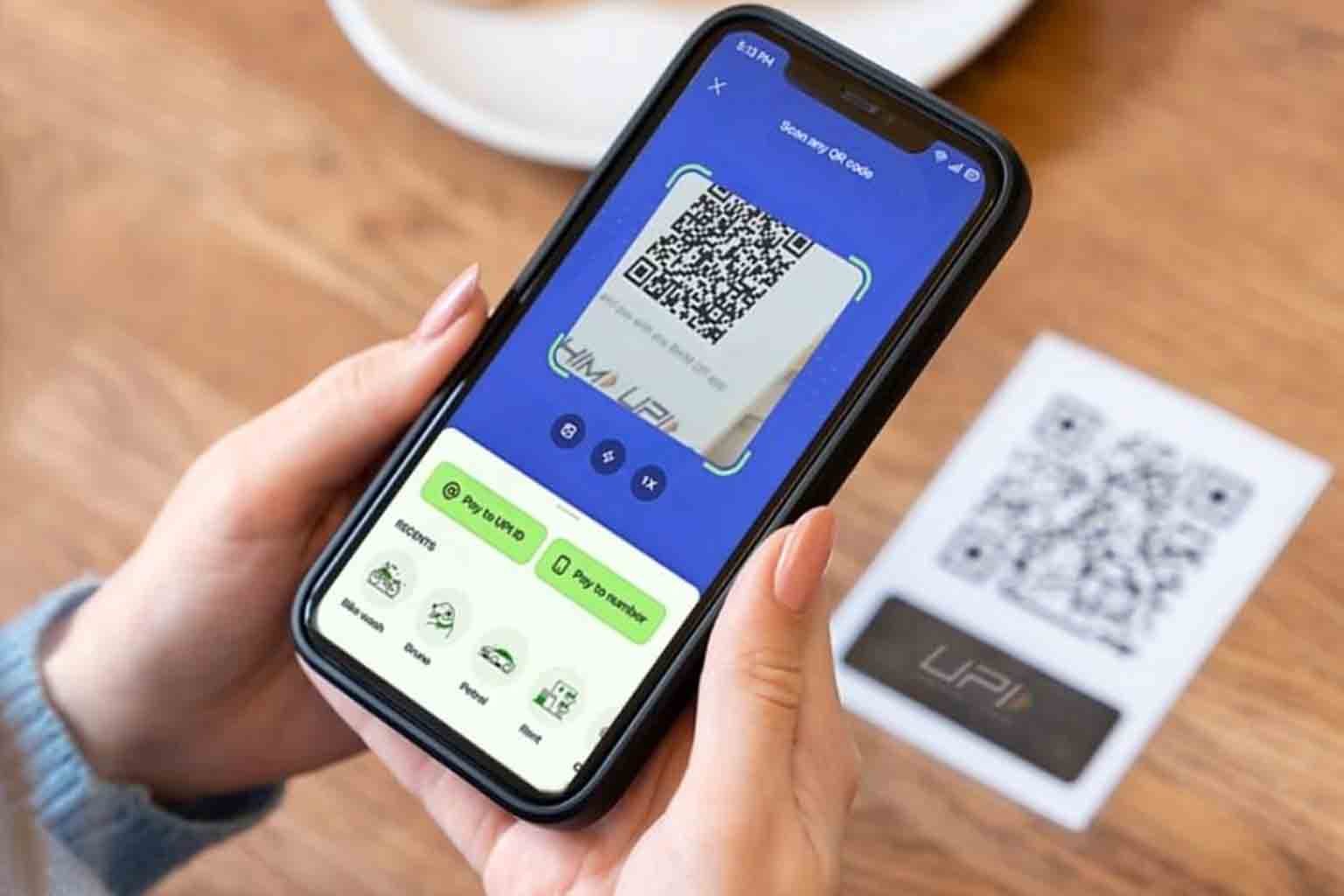
The Bill does not immediately impose any charges on UPI payments. Instead, it authorises the government to notify when, where and on which categories of digital payments MDR may be applied. Until such a notification is issued, the existing zero MDR policy for UPI transactions remains in effect.
According to reports, the government is considering imposing MDR only on large merchants for UPI transactions above ₹2,000. The proposed fee is expected to range between 0.3% and 0.5%. Small merchants and the majority of everyday UPI users are likely to remain exempt. However, no final decision has been announced.
Merchant Discount Rate (MDR) is a fee paid by merchants to banks and payment service providers for processing digital transactions. Industry stakeholders have argued that allowing MDR on select high value transactions would help support payment infrastructure, cybersecurity and continued innovation in India’s rapidly growing digital payments ecosystem.
Government officials have clarified that the Bill merely provides the legal authority to introduce such charges in the future. Any implementation of MDR on UPI transactions will require a separate government notification specifying the applicable transactions, merchants, and fee structure.
As of now, UPI payments remain free for consumers and no MDR has been imposed following the passage of the Bill.