

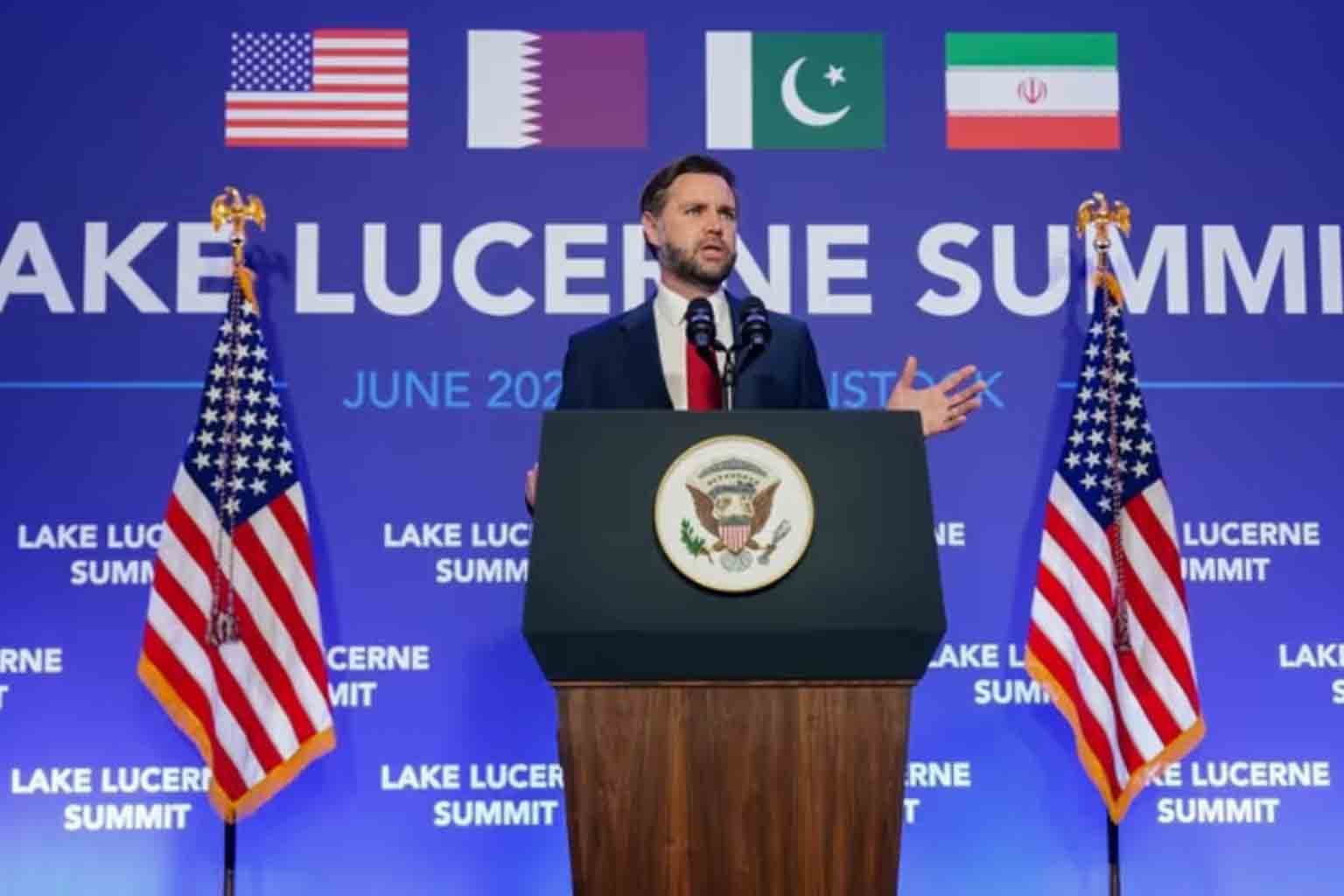
Fresh diplomatic talks between the United States and Iran in Switzerland have raised hopes for a broader peace agreement, with U.S. Vice President JD Vance saying the discussions laid a “Good foundation” for a final deal. The talks come after months of tensions involving the United States, Iran, Israel and Iran backed groups across the Middle East.
The negotiations, reportedly facilitated by international mediators, focused on preventing renewed escalation in the Strait of Hormuz, addressing tensions in Lebanon, and exploring steps toward a longer term agreement on Iran’s nuclear activities and regional security issues. Officials from both sides described the talks as constructive, though significant disagreements remain.
What the United States Wants
The United States says its primary goals are maintaining freedom of navigation through the Strait of Hormuz, preventing further regional conflict, and ensuring international oversight of Iran’s nuclear activities.
JD Vance stated that the talks produced progress on mechanisms to keep the Strait of Hormuz open and reduce the risk of military incidents. U.S. officials also said discussions included the possible return of international nuclear inspectors and measures to support stability in Lebanon.
Iran’s Position
Iranian officials welcomed the talks but stressed that Tehran will not accept arrangements it believes undermine its sovereignty or regional allies.
Iran says sanctions relief, access to frozen assets and respect for its security interests are essential parts of any final agreement. Tehran has also rejected proposals that would allow a long term Israeli security presence inside Lebanon. Iranian officials argue that any settlement must include respect for Lebanese sovereignty and a resolution of disputed border issues.
Iranian leaders have described the negotiations as an opportunity to secure economic relief while protecting national interests. However, Tehran has remained cautious about some U.S. proposals related to nuclear oversight and inspections.
Israel’s Position
Israel is not a direct participant in the U.S.-Iran negotiations but remains a central factor in the discussions.
Israeli Prime Minister Benjamin Netanyahu has maintained that Israel must retain freedom of action against threats from Hezbollah and other Iran backed groups. Israeli officials argue that any agreement must guarantee long term security along Israel’s northern border and prevent Hezbollah from rebuilding military capabilities in Lebanon.
Israel has expressed support for regional de-escalation but remains skeptical of arrangements that it believes could increase Iranian influence in the region.
Key Areas of Progress
➤ U.S. and Iranian negotiators agreed to continue talks in the coming weeks.
➤ A communication mechanism for the Strait of Hormuz is being discussed to reduce the risk of naval incidents.
➤ Discussions have begun on restoring international nuclear inspections.
➤ Efforts are underway to support stability and de-confliction measures in Lebanon.
Main Disagreements
➤ Iran wants broader sanctions relief and stronger guarantees regarding Israeli military activity.
➤ Israel insists on retaining the ability to act against Hezbollah and other perceived threats.
➤ Questions remain over the future scope of Iran’s nuclear program and the authority of international inspectors.
Outlook
Despite continuing disagreements, all sides appear interested in avoiding a wider regional conflict. Negotiators have outlined a roadmap for further discussions, though officials caution that some of the most difficult issues including Lebanon’s security arrangements, sanctions relief and nuclear oversight remain unresolved.
The outcome of these talks could have significant implications for Middle East stability, global energy markets and international diplomacy in the months ahead.