
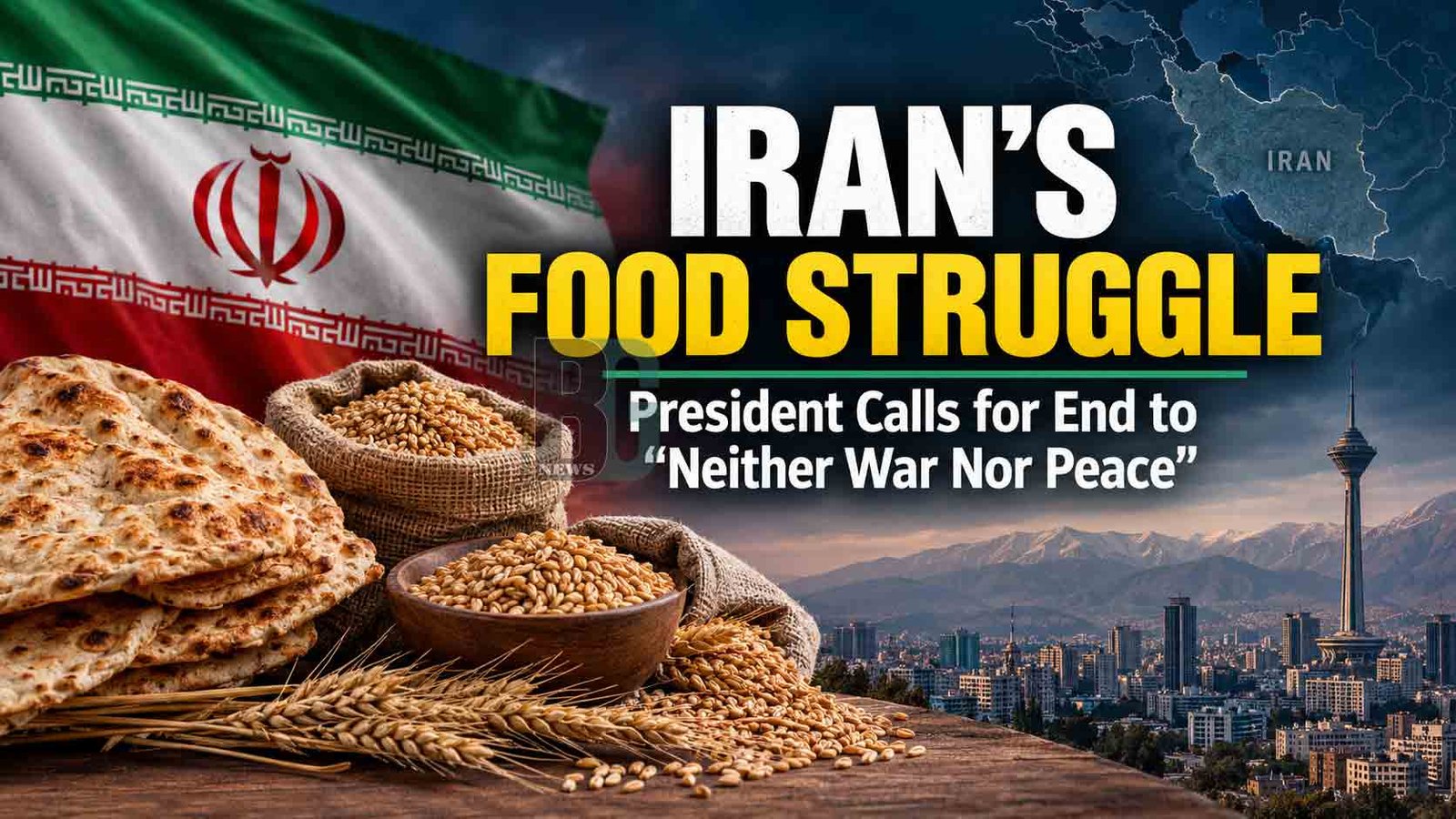
TEHRAN: Iranian President Masoud Pezeshkian has acknowledged that many people in Iran are struggling to afford food as the country faces growing economic pressure amid its continuing conflict with the United States and Israel.
In remarks reported by Agence France Presse (AFP) on Saturday, Pezeshkian said that many people were finding it difficult to put food on the table because of the war and the conditions it had created.
The president also called for an end to what he described as a situation of “Neither war nor peace” highlighting the uncertainty surrounding Iran’s security, economy and relations with the United States.
Economic Pressure on Ordinary Iranians
- Iran has faced significant economic difficulties amid international sanctions, restrictions on trade and disruptions to oil exports. The conflict has added further pressure to an economy already dealing with problems affecting people’s purchasing power and daily lives.
- According to AFP, Washington has recently placed greater emphasis on economic pressure on Tehran, including restrictions affecting Iranian ports and trade.
- These conditions have increased concerns about the cost of living and the ability of ordinary households to afford essential goods.
- However, the president’s remarks alone do not establish how many people are facing food insecurity or the extent of the problem across the country.
President Calls for an End to Uncertainty
- Pezeshkian said Iran needed to move beyond the current situation of “Neither war nor peace” He did not specify a detailed plan for ending the uncertainty in the remarks reported on Saturday.
- His comments come amid continuing tensions between Tehran and Washington, with both sides facing challenges in reaching a lasting agreement.
- A ceasefire arrangement reached in June was intended to stop the fighting and create a path towards wider negotiations. However, the arrangement subsequently broke down, with the two sides accusing each other of violating its terms, according to published reports.
- The unresolved confrontation has left uncertainty over the prospects for renewed fighting, diplomatic negotiations and the future of regional trade.
Strait of Hormuz and Oil Trade Concerns
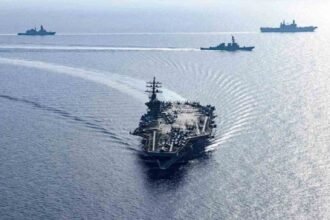
- The Strait of Hormuz remains a key route for international energy shipments. Restrictions on shipping through the waterway and measures affecting Iranian ports have added to concerns about regional trade and energy supplies.
- Iran’s actions affecting passage through the strait, along with US restrictions on Iranian maritime trade, have contributed to tensions over shipping and oil exports.
- Any further escalation could create additional risks for regional economies and international energy markets. The extent of any impact would depend on developments in the conflict, shipping conditions and future diplomatic efforts.
What Happens Next?
- Pezeshkian’s remarks highlight the domestic economic difficulties facing Iran as its leadership deals with external pressure and an uncertain security situation.
- A lasting reduction in tensions could help create conditions for renewed diplomacy and greater economic stability. However, no resolution to the wider confrontation can be assumed from the president’s latest comments alone.
- For ordinary Iranians, the immediate concern remains the cost of basic necessities and the wider effect of the conflict on their daily lives.
Business Galaxy | International News
Source: Agence France Presse (AFP), with additional reporting from published news coverage. Statements by Iranian officials are attributed; the full extent of food insecurity has not been independently established in this report.