
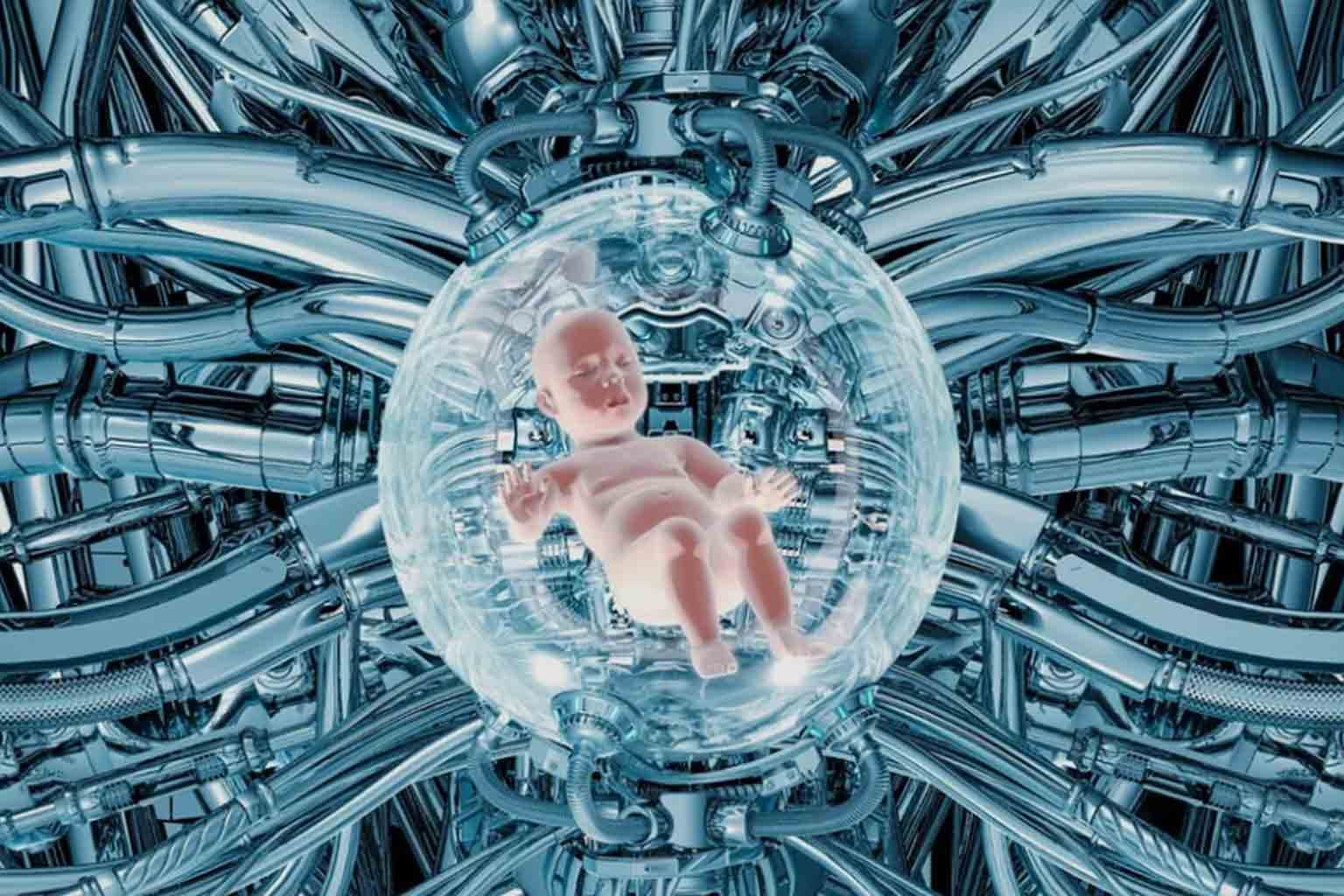
Chinese scientists have launched artificial human embryo models to the country’s Tiangong Space Station in a groundbreaking experiment aimed at understanding whether human reproduction and early development could function in space conditions.
The research materials were transported aboard the Tianzhou-10 cargo spacecraft as part of China’s expanding space biology program. The mission is being carried out by the Chinese Academy of Sciences through its Institute of Zoology.
According to Chinese researchers, the embryo models are not real human embryos. Instead, they are laboratory created structures made from stem cells that can imitate the earliest stages of human embryonic development. Scientists said the models are capable of mimicking development roughly between 14 and 21 days after fertilization, but they cannot grow into a fetus, baby or human being.
The experiment is designed to examine how microgravity and cosmic radiation affect cell division, gene activity and the early formation of tissues and organs. Scientists believe these factors could significantly influence human reproduction and long-term health during extended space missions.
Researchers say understanding reproductive biology in space may become increasingly important as countries plan future lunar bases, Mars missions and long duration habitation in orbit. Scientists have warned that microgravity can alter biological processes, weaken muscles and bones, and potentially affect fertility and embryonic development.
The study is part of a broader global effort to understand how the human body adapts to space environments. Previous experiments conducted by various countries have examined the effects of spaceflight on animals, plants and human cells, but research involving human embryo models remains highly sensitive and scientifically complex.
Chinese state media described the experiment as an important step toward future deep space exploration and long-term human survival beyond Earth. Researchers hope the findings will help scientists better understand the biological challenges humans may face during prolonged stays on space stations or future space colonies.
The announcement has also sparked ethical discussions internationally, with some experts calling for careful oversight of experiments involving human embryo models, even when they are artificially created from stem cells and cannot develop into full human life.
China has rapidly expanded its space science ambitions in recent years through missions involving lunar exploration, space station development and biological research aboard the Tiangong station.