

India’s rapidly growing silver market is facing increasing scrutiny after industry bodies warned that many silver bars, coins, utensils and jewellery products sold across the country may not meet proper purity standards. The concerns come at a time when silver prices and investment demand have surged sharply, attracting both genuine buyers and counterfeit operators into the market.
According to recent reports, precious metal refiners and trade associations have raised alarms over the circulation of impure silver products that allegedly fail to meet the widely accepted “999 purity” benchmark used for investment-grade silver. Industry representatives claim that some products sold in retail markets may contain harmful elements such as lead, cadmium and nickel, raising both quality and health concerns.
The issue has become more serious due to the rapid rise in silver prices over the past year, which experts say has encouraged counterfeiters to flood the market with substandard products disguised as pure silver. Reports indicate that many products are manufactured using scrap silver mixed with limited quantities of refined bullion to achieve surface-level purity standards while still containing prohibited materials internally.
Industry groups have urged the Bureau of Indian Standards (BIS) to strengthen hallmarking rules and introduce stricter licensing systems for silver refiners. Refiners argue that stronger regulation is needed to protect consumers and improve transparency in the trade.
One of the major concerns highlighted in the reports is the lack of hallmarking infrastructure compared to the size of India’s silver market. India consumes nearly 7,000 tonnes of silver annually, yet the country reportedly has only around 286 silver hallmarking centres. In comparison, gold consumption stands at around 800–850 tonnes, but there are nearly 1,600 hallmarking centres for gold products.
The reports also noted that more than half of silver sold in India is used for articles such as utensils, lamps, worship items and artefacts, segments where purity verification is often weaker than in branded jewellery markets. Industry officials warned that even silver offerings made at temples are sometimes found to be of substandard quality.
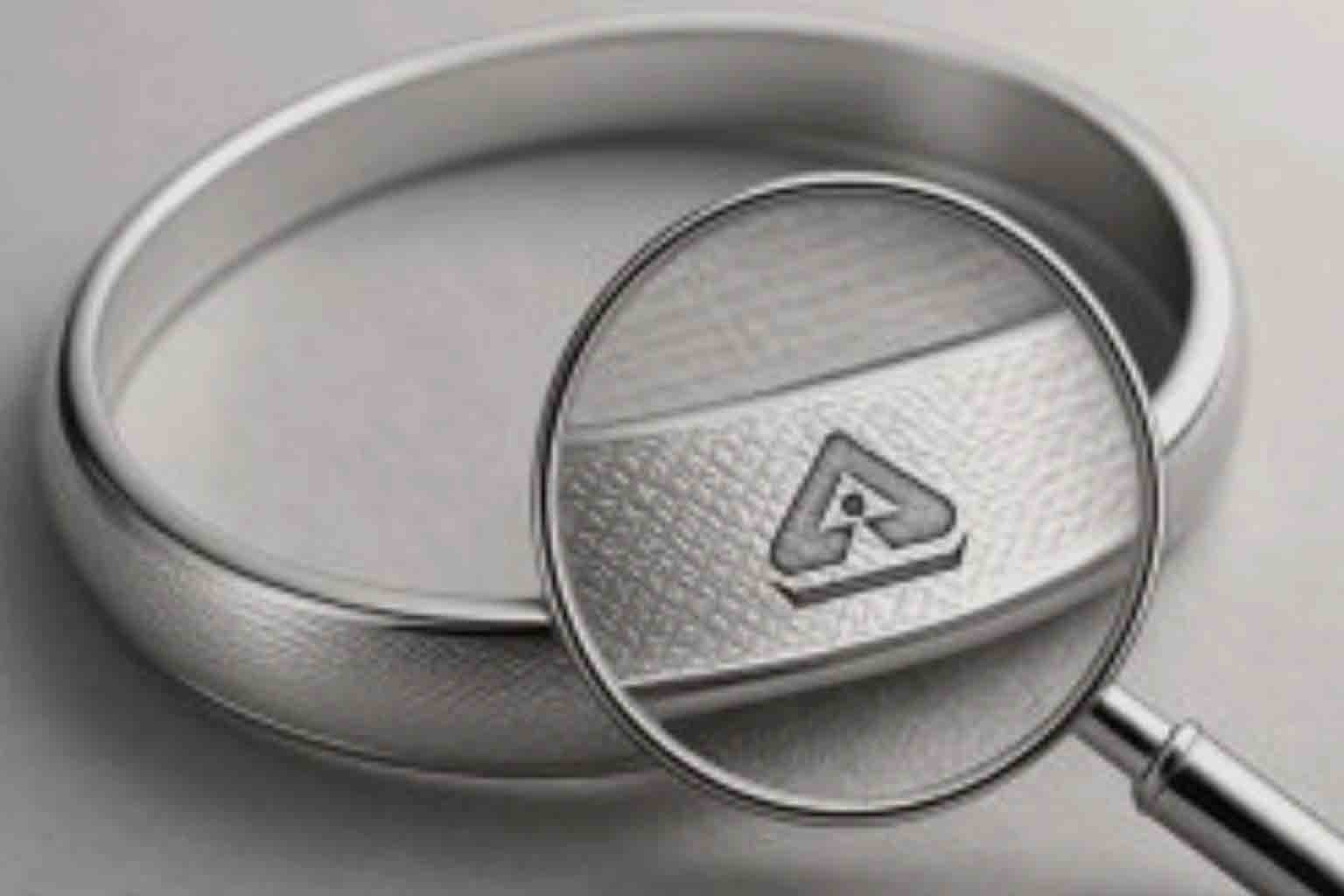
Hallmarking experts say consumers should carefully verify silver purchases before investing. Buyers are advised to check for BIS hallmark certification, verify purity markings such as 999 or 925, and insist on proper invoices or bills during purchase. Officials also warned consumers to remain cautious of products sold at unusually low prices, as deep discounts may indicate lower purity or counterfeit material.
The BIS has stated that hallmarking serves as an official guarantee of precious metal purity and is intended to protect consumers from adulteration and fraud. India introduced revised silver hallmarking standards in 2025 to improve traceability and authenticity in the market.
While industry leaders insist that many reputable jewellers and refiners continue to sell genuine certified products, they warn that weak enforcement and rising speculative demand have created opportunities for counterfeit operators. Market experts say the issue highlights the growing importance of purity verification as silver increasingly attracts both investors and retail buyers looking for safer assets during periods of economic uncertainty.