
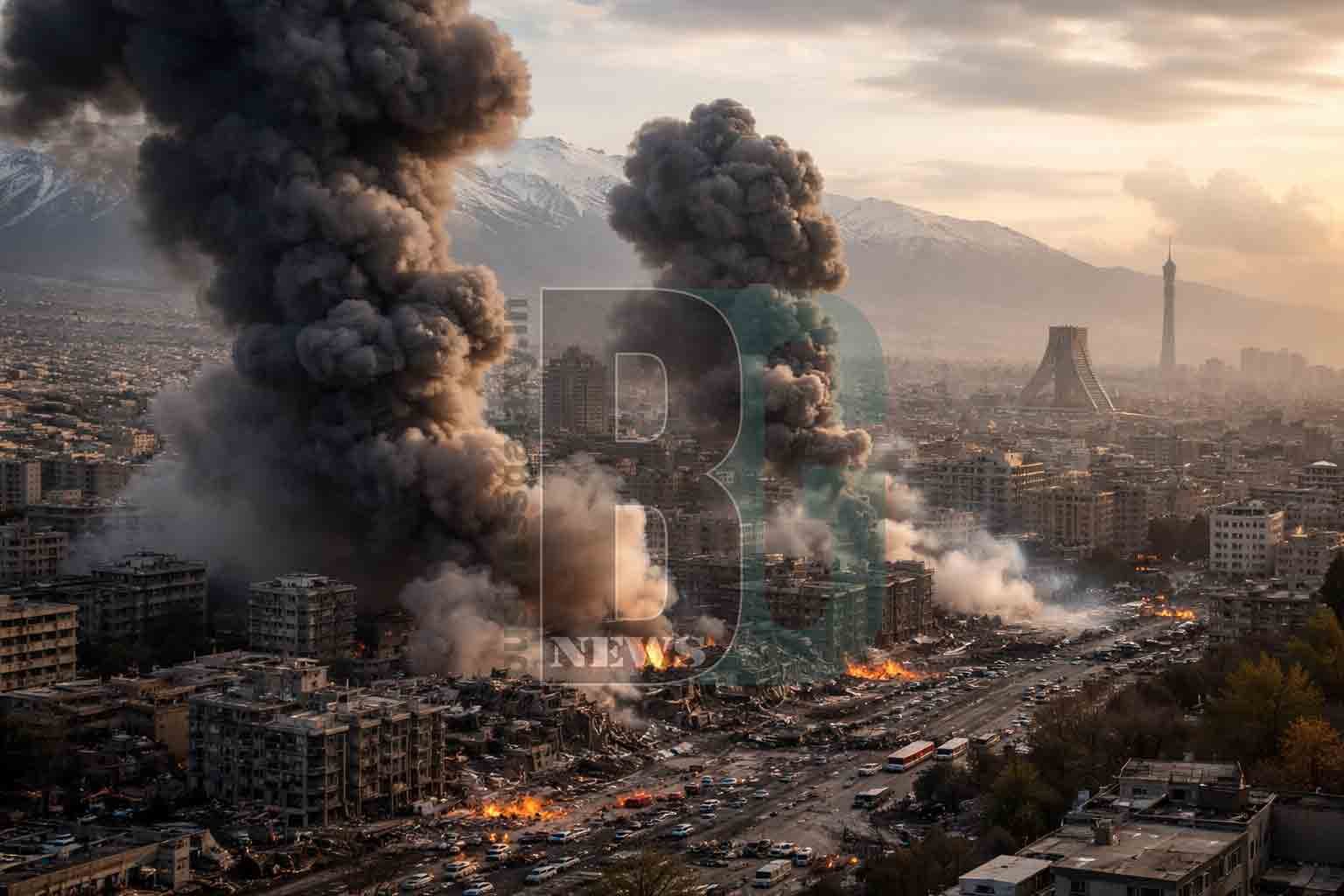
The conflict involving Iran and the joint forces of the United States and Israel has entered its sixth day, with continued airstrikes, missile attacks and rising fears of a broader regional war in the Middle East.
The fighting began in late February when the United States and Israel launched coordinated military strikes targeting Iranian nuclear facilities, missile bases and military infrastructure. The operation aimed to weaken Iran’s military capabilities and prevent further development of advanced weapons programs.
Continued Airstrikes Across Iran
On the sixth day of the conflict, U.S. and Israeli forces continued bombing strategic targets in several Iranian cities, including the capital, Tehran. Military officials say numerous sites linked to missile production, air defense systems and security centers have been struck since the operation began.
The attacks have reportedly caused significant damage to military facilities, though the strikes have also led to widespread destruction in surrounding urban areas. Concerns about civilian casualties and humanitarian impact are growing as the fighting intensifies.
Iranian Retaliation
Iran has responded with multiple missile and drone attacks aimed at Israeli territory and U.S. interests across the region. Air raid sirens were reported in several Israeli cities as residents moved into shelters during new waves of missile fire.
Iranian aligned groups in parts of the Middle East have also been linked to attacks targeting American military bases and allied facilities, increasing fears that the conflict could spread beyond the immediate battlefield.
Naval Tensions in the Region
The conflict has also expanded into maritime areas. In a major incident during the ongoing fighting, a U.S. submarine reportedly sank an Iranian naval vessel near waters close to Sri Lanka. Reports say more than 100 sailors were missing following the incident, further escalating tensions between the two sides.
Threats to Global Oil Routes
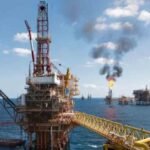
Iran has warned that it could disrupt shipping through the Strait of Hormuz, a narrow waterway that carries a large portion of the world’s oil supply. Any disruption to this route could impact global energy markets and raise fuel prices worldwide.
Rising Casualties and Global Concern
Human rights groups estimate that the conflict has already caused more than a thousand deaths in Iran, including civilians, though official figures remain uncertain. Casualties have also been reported in retaliatory attacks against U.S. and allied targets.
The escalating war has triggered international concern, with several countries urging restraint and calling for diplomatic efforts to prevent a wider regional conflict. Meanwhile, global oil markets, aviation routes, and international shipping have already begun to feel the effects of the crisis.