
Washington launches major economic offensive against Tehran
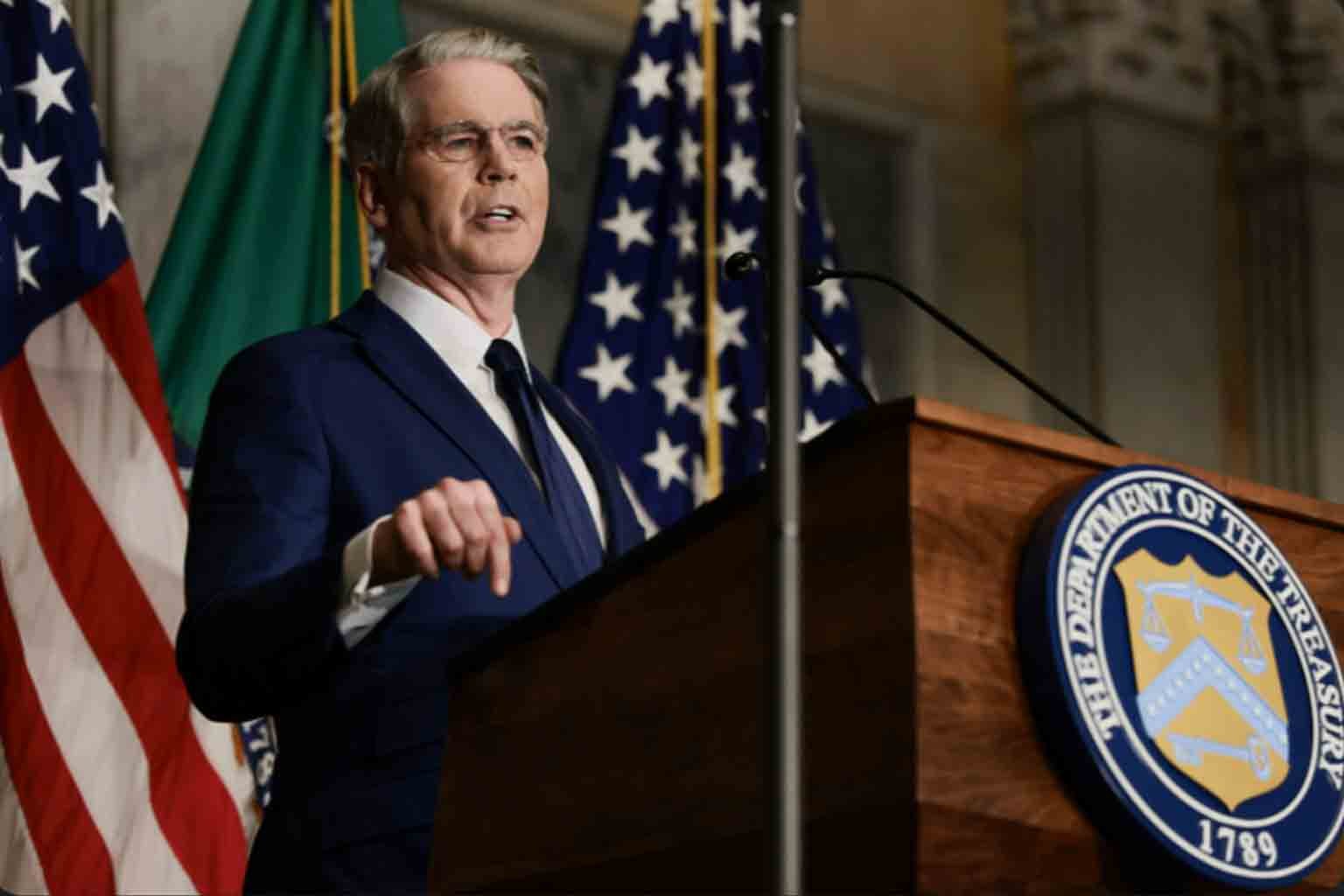
Washington: The United States has sharply escalated its economic pressure on Iran, with Treasury Secretary Scott Bessent warning countries and companies that continue certain economic dealings with Tehran could face U.S. sanctions.
Bessent announced a new sanctions campaign aimed at cutting off Iran’s remaining sources of revenue and restricting financial networks that Washington says help Tehran evade sanctions. He described the effort as an “Economic D-Day” against Iran.
What did Scott Bessent announce?
The U.S. Treasury is targeting networks that allegedly help Iran:
- Move and sell oil
- Access international funds
- Evade U.S. sanctions
- Use financial intermediaries and front companies
- Maintain international economic connections
Bessent warned that countries and companies have a limited period to stop activities identified by Washington or risk sanctions.
The latest measures reportedly target nearly 60 Iran linked individuals, entities and vessels, including sectors such as digital assets, gold, technology, aviation and shipping.
Warning over the US dollar system
- One of Washington’s strongest warnings concerns financial institutions accused of helping Iran move or launder money.
- Bessent warned that entities facilitating Iranian financial activity could potentially lose access to the U.S. dollar based financial system.
- Such a move could have serious consequences for international banks and companies because access to the U.S. financial system is crucial for global trade.
Why is the US increasing pressure?
- The Trump administration wants to restrict Iran’s ability to generate revenue and finance activities that Washington considers a threat.
- The U.S. Treasury says Iran has continued to bypass sanctions through front companies, intermediaries and networks of oil tankers.
- The latest campaign represents a broader attempt to isolate Iran economically rather than simply targeting individual Iranian officials or companies.
China could face difficult choices
- China is particularly important because it remains a major buyer of Iranian oil.
- The U.S. pressure could therefore create additional tension between Washington and Beijing. Chinese companies involved in Iranian trade could potentially face difficult decisions if Washington expands secondary sanctions.
Impact on Iran
- Iran is already facing significant economic pressure, including a weakening currency, high inflation and difficulties accessing international financial markets.
- Further sanctions could increase pressure on Iranian businesses and consumers and make international trade more expensive and complicated.
Possible impact on global markets
The consequences could extend beyond Iran.
The situation could affect:
- Global crude oil prices
- Shipping costs
- Strait of Hormuz traffic
- International trade
- Inflation
- Energy security
Any Iranian retaliation or disruption to oil shipments could create additional volatility in global energy markets.
What does it mean for India?
- India will be closely watching the situation because it maintains economic and strategic interests involving Iran, including connectivity and energy related interests.
- If the U.S. expands secondary sanctions, Indian companies dealing with Iran could face increased compliance and financial risks.
Bottom line
The United States is moving toward a much broader economic pressure campaign against Iran, warning foreign governments, banks and companies that continued support for certain Iranian economic activities could expose them to U.S. sanctions.
The biggest question now is whether Washington will actually impose secondary sanctions on major foreign companies and financial institutions and how Iran and other countries respond.