
Three Iranian oil tankers carrying a combined five million barrels of crude oil have successfully exited the Gulf via the strategically vital Strait of Hormuz, marking the first such movement since a reported United States blockade came into effect.
According to maritime analytics firm Kpler, the vessels Deep Sea, Sonia I, and Diona transited the narrow waterway on Wednesday after loading crude earlier this month at Kharg Island, Iran’s primary oil export hub.
Strategic significance
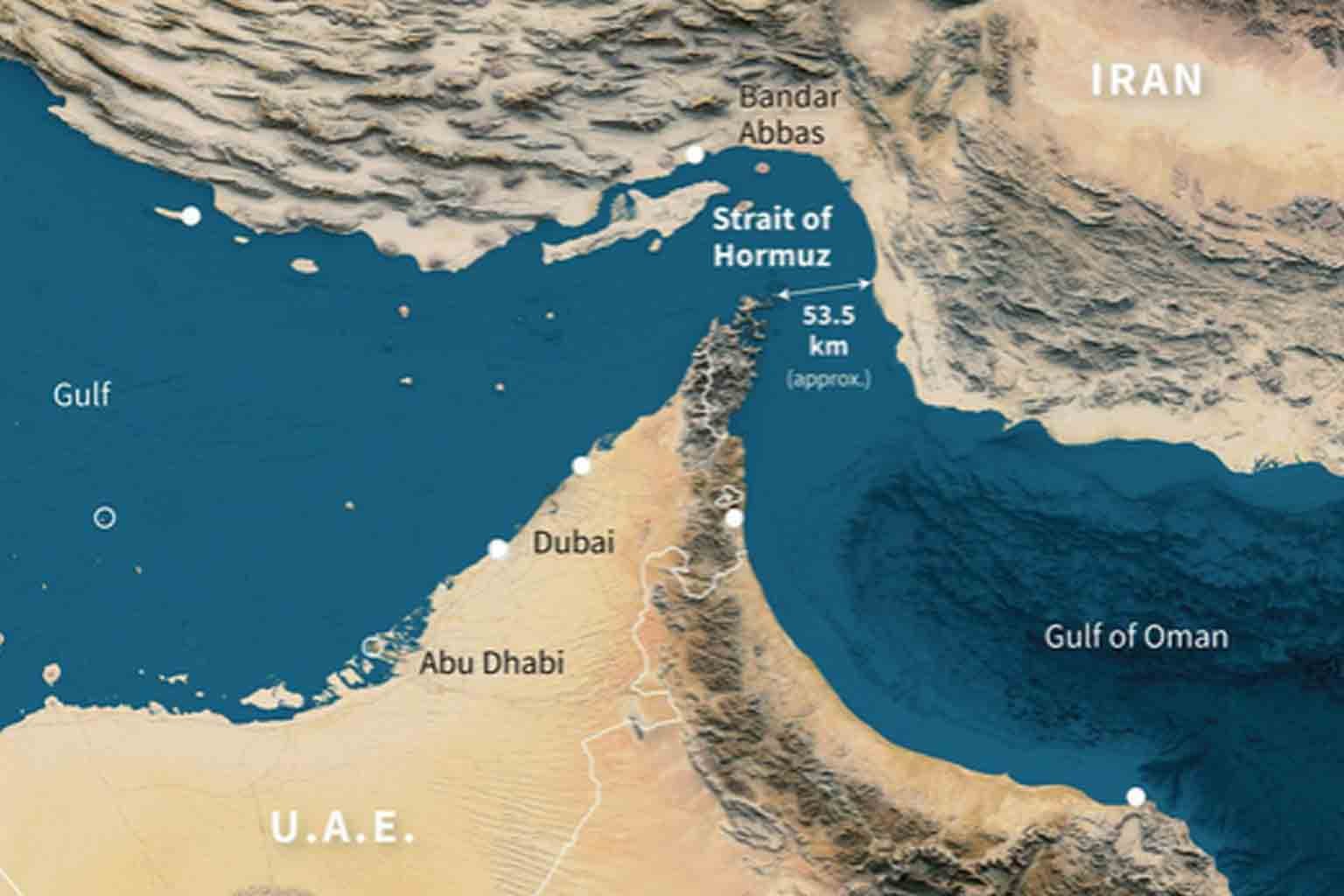
The Strait of Hormuz is one of the world’s most critical energy chokepoints, through which a significant portion of global oil supply passes. Any disruption or restriction in this corridor can have immediate and far-reaching impacts on international oil markets, including price volatility and supply concerns.
First movement since blockade
The departure of these tankers is seen as a notable development, as it indicates that oil shipments are continuing despite heightened geopolitical tensions and reported restrictions linked to the United States.
While details surrounding enforcement of the blockade remain unclear, the movement suggests that some level of export activity from Iran persists, potentially easing immediate fears of a complete supply halt.
Market and geopolitical impact
Energy analysts say the passage of these vessels could:
- Signal resilience in Iran’s oil export operations
- Influence global oil prices and market sentiment
- Add complexity to ongoing geopolitical tensions in the region
The situation continues to be closely monitored by global markets, as any escalation or further disruption in the Strait of Hormuz could significantly affect energy security worldwide.
Outlook
With tensions still high in the region, the safe passage of oil tankers remains a key concern for governments and energy stakeholders. Further developments in the Gulf are expected to play a crucial role in shaping global oil supply dynamics in the coming weeks.