

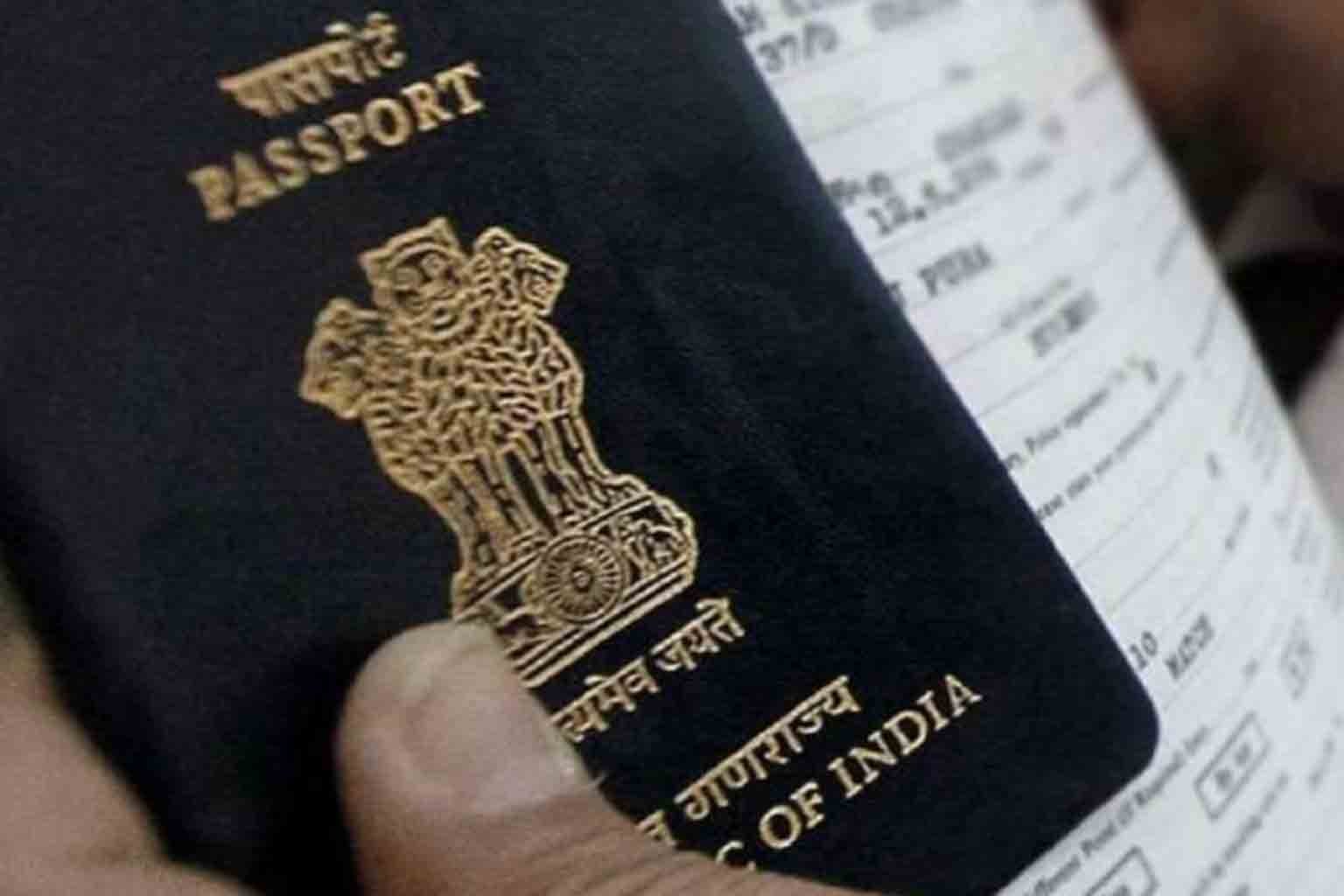
The Union Ministry of Home Affairs has empowered district Collectors in six border states to receive, scrutinise and decide eligible citizenship applications under Section 6B of the Citizenship Act.
The six states are Gujarat, Rajasthan, Punjab, West Bengal, Assam and Tripura. The new rules also cover the Union Territories of Jammu & Kashmir and Ladakh. Tribal areas of Assam and Tripura are excluded.
Who Can Apply?
The change applies to eligible applicants covered by Section 6B of the Citizenship Act, particularly specified religious minorities from Pakistan, Bangladesh and Afghanistan.
Under the Citizenship (Amendment) Act framework, the eligible communities are Hindus, Sikhs, Buddhists, Jains, Parsis and Christians from these three countries who meet the prescribed conditions.
What Has Changed?
Under the Citizenship (Third Amendment) Rules, 2026, jurisdictional Collectors in the specified areas have been given greater authority to process applications.
Collectors can:
- Receive citizenship applications electronically
- Verify documents and conduct necessary inquiries
- Determine eligibility
- Administer the required oath of allegiance
- Grant citizenship to applicants who satisfy the legal requirements
Pending applications in the specified regions may also be transferred to the concerned district authorities.
Why Has the Centre Made This Change?
- The move is aimed at simplifying and speeding up the citizenship approval process for eligible applicants living in these border regions.
- By giving district level authorities a greater role, the government expects applications to be processed more efficiently.
Important Clarification
- This does not mean that foreigners can freely obtain Indian citizenship simply by living in one of these six states.
- Applicants must fall within the applicable legal provisions, satisfy eligibility requirements and undergo document verification and other prescribed procedures.
- Also, the new mechanism covers six states plus two Union Territories – Jammu & Kashmir and Ladakh.
Business Galaxy Takeaway
The decision is significant because it decentralises the processing of CAA related citizenship applications and gives district level authorities a larger role in granting citizenship to eligible applicants.