
Tensions between the United States and Iran have escalated sharply after U.S. President Donald Trump warned that Washington would launch a massive military attack if Iran attempts to assassinate him. The exchange of threats has raised fears that the recent lull in hostilities could give way to another round of conflict.
In a post on Truth Social, President Trump declared that the U.S. military was prepared to “Completely decimate and destroy” Iran if it carried out any assassination attempt against him. He said military orders had already been issued to ensure an immediate and overwhelming response should such an attack occur.
Trump also stated that the ceasefire between the United States and Iran was effectively “Over” suggesting that relations had entered a new phase of heightened confrontation. His remarks came amid renewed concerns over regional security and ongoing disputes involving Iran’s nuclear program and maritime activity in the Gulf.
Iran Rejects Trump’s Threats
Iranian leaders responded by firmly rejecting Trump’s warnings and insisted that the country would never surrender under military or political pressure.
Senior Iranian officials said Iran would continue defending its sovereignty and national interests, dismissing Trump’s statements as intimidation. They emphasized that Iran would not change its policies because of U.S. threats.
Iran has also denied seeking direct military confrontation with the United States but warned that any attack on Iranian territory would receive a strong and decisive response. Officials maintained that Tehran remains committed to defending itself while continuing diplomatic engagement through regional mediators where possible.
Growing Regional Concerns
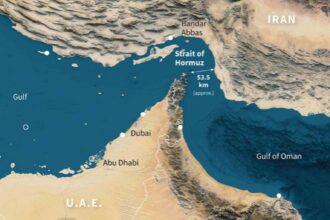
The exchange of threats comes amid renewed tensions in the Middle East, including disputes over the Strait of Hormuz, U.S. military deployments in the region, and negotiations over Iran’s nuclear program.
Military analysts warn that continued rhetoric from both sides increases the risk of miscalculation, particularly in the Gulf, where U.S. and Iranian forces operate in close proximity.
Despite the escalating war of words, diplomatic channels through countries such as Oman and Qatar remain active, offering a possible avenue for de-escalation if both sides choose to pursue negotiations.
For now, however, relations between Washington and Tehran remain highly strained, with both governments adopting increasingly hardline positions and raising concerns about the possibility of another military confrontation in the region.