

New Delhi: The Delhi Cabinet has approved the Delhi Electric Vehicle (EV) Policy 2026, a major initiative aimed at reducing air pollution and accelerating the transition to clean transportation in the national capital. The policy, expected to come into effect from July 1, allocates ₹15,000 crore over four years to expand electric mobility, strengthen charging infrastructure and encourage the adoption of zero emission vehicles.
A key feature of the new policy is its decision to exclude strong hybrid vehicles from tax exemptions and financial incentives. The Delhi government said it will focus exclusively on battery electric vehicles (BEVs), arguing that only fully electric vehicles produce zero tailpipe emissions and offer the greatest environmental benefits.
The policy introduces a phased transition away from fossil fuel powered vehicles. From January 1, 2027, only electric auto rickshaws will be eligible for new registrations in Delhi. Beginning April 1, 2028, registrations of new petrol and CNG two wheelers will also cease, making electric two wheelers the default option for new buyers.
To encourage EV adoption, the government has announced several incentives. Buyers of eligible electric vehicles will receive subsidies based on battery capacity, while electric cars priced up to ₹30 lakh will continue to enjoy 100% exemption from road tax and registration fees. Owners scrapping older vehicles and replacing them with EVs can receive incentives of up to ₹1 lakh, depending on the vehicle category and eligibility.
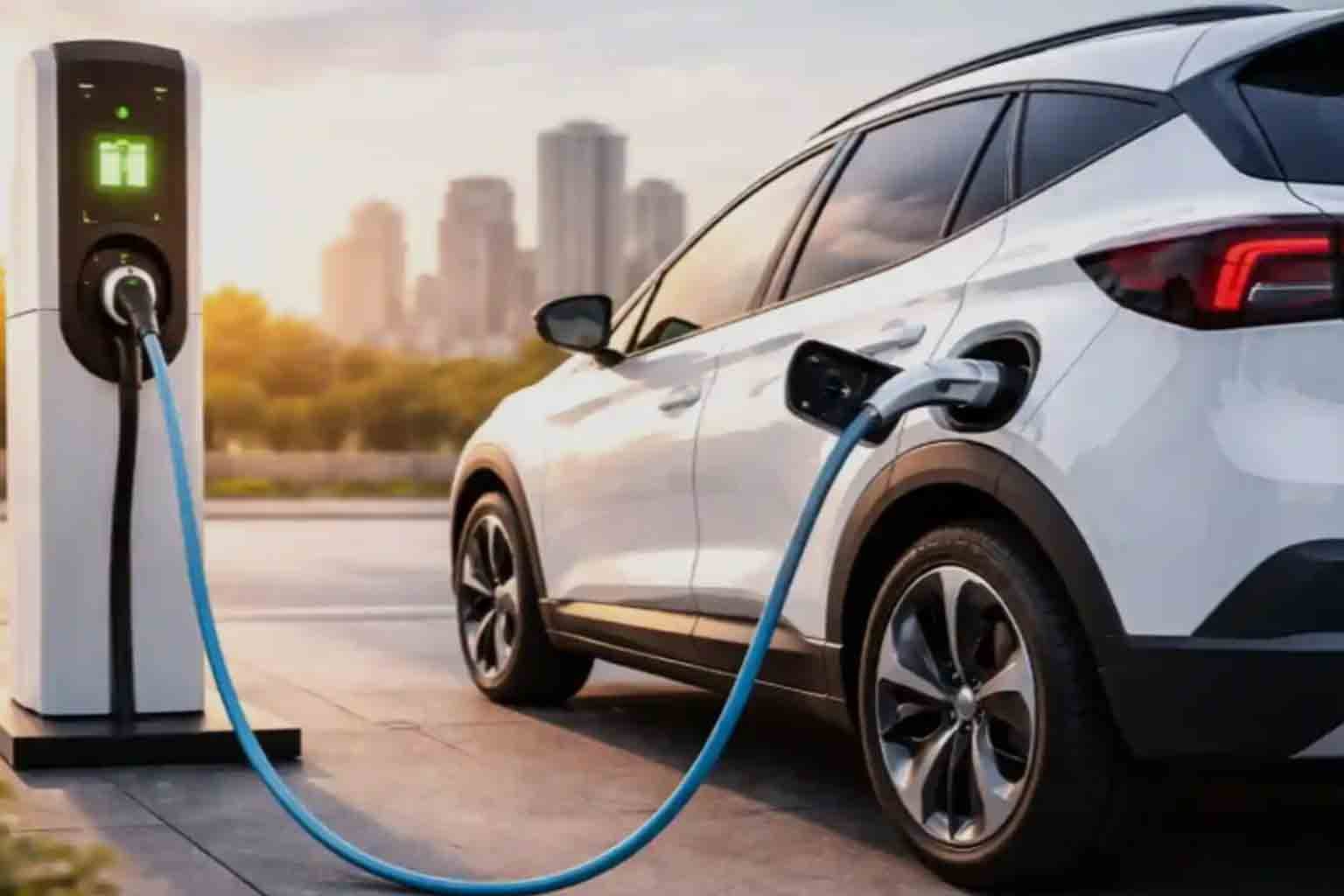
The policy also places strong emphasis on expanding Delhi’s charging ecosystem. Thousands of additional public charging stations are planned, along with support for battery swapping facilities and charging infrastructure in residential and commercial areas. The government aims to make EV charging more accessible across the city.
According to the Delhi government, transport emissions account for nearly 23% of the city’s PM2.5 pollution during winter, making road transport one of the largest contributors to Delhi’s poor air quality. The new policy targets at least 30% electrification of Delhi’s vehicle fleet by 2030, with a special focus on electrifying two wheelers, which make up around two-thirds of all vehicles in the capital.
While environmental experts have welcomed the policy’s strong push toward zero emission mobility, some automobile industry representatives and hybrid vehicle manufacturers have expressed disappointment over the exclusion of strong hybrids from incentive schemes, arguing that they could have served as a transitional technology for consumers not yet ready to switch to fully electric vehicles.