

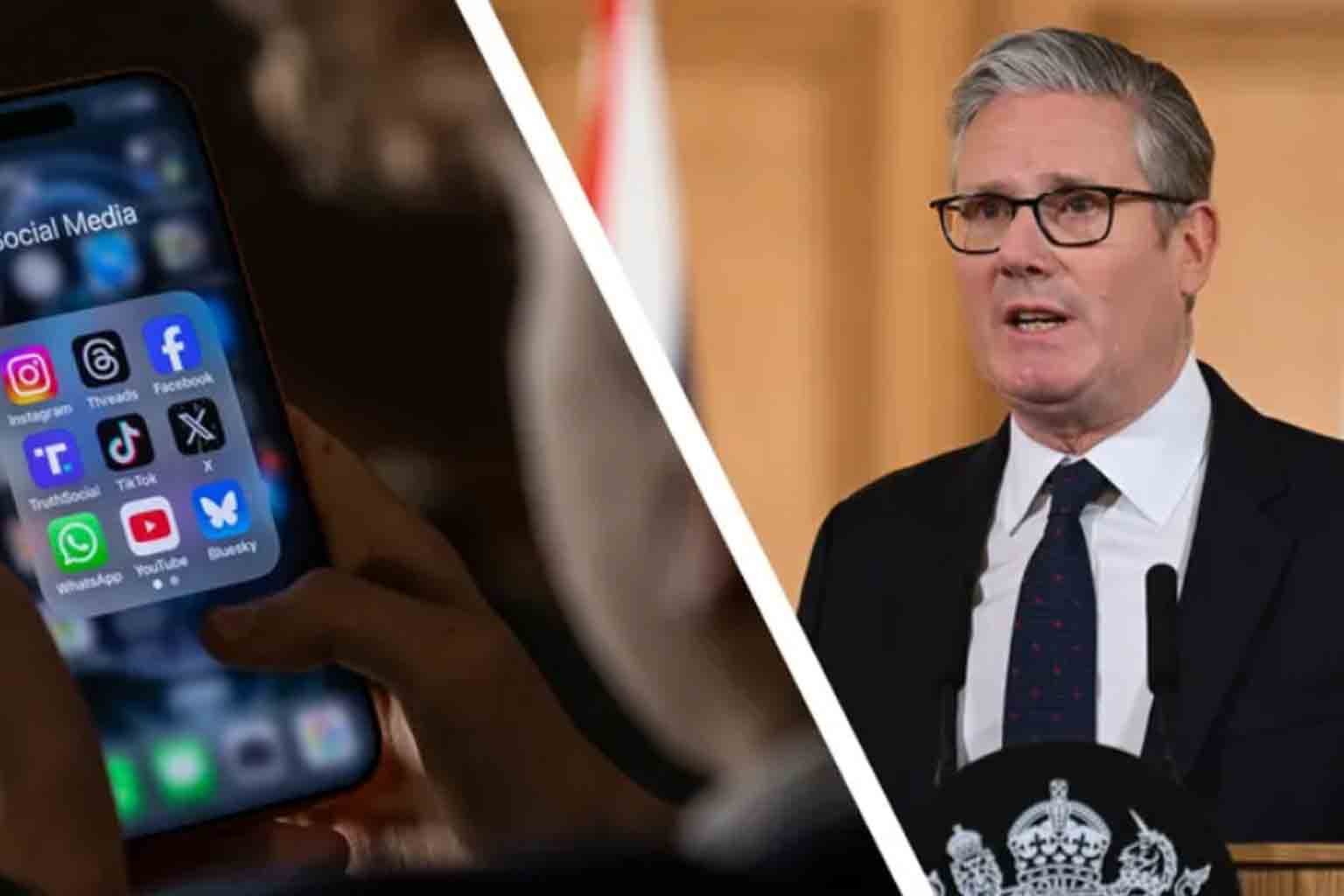
The United Kingdom is set to introduce some of the world’s toughest online safety measures for children after Prime Minister Keir Starmer announced plans to ban individuals under the age of 16 from accessing major social media platforms.
The proposed legislation, which is expected to be debated in Parliament, would require social media companies to implement strict age-verification systems to prevent underage users from creating or maintaining accounts. The move forms part of the government’s broader strategy to address growing concerns about the impact of digital platforms on children’s mental health, safety, and overall well-being.
The restrictions are expected to apply to popular platforms such as TikTok, Instagram, Snapchat, Facebook, YouTube and X. However, messaging services used primarily for communication, including WhatsApp and Signal, may be exempt from the proposed rules.
In addition to social media restrictions, the UK government is also planning tighter regulations for gaming and live-streaming platforms. Under the proposals, children under 16 could face limitations on interacting with strangers through voice chats, text messaging features and certain live-streaming services.
Speaking about the proposed measures, Starmer said that protecting children from harmful online content and exploitation was a priority for his government. He argued that children deserve a safer digital environment and should be allowed to experience childhood without the pressures and risks associated with unrestricted social media use.
Supporters of the plan believe it could help reduce cyberbullying, online abuse, exposure to inappropriate content and excessive screen time among young users. However, critics have questioned whether the restrictions can be effectively enforced, pointing to concerns over privacy, age-verification technologies and the possibility of teenagers circumventing the rules through virtual private networks (VPNs) or false information.
If approved, the legislation would place significant responsibilities on technology companies operating in the UK and could set a new international benchmark for regulating children’s access to online platforms.
The proposal has sparked global attention, as governments around the world continue to explore ways to strengthen protections for children in the digital age.