
US Secretary of State Marco Rubio completed a high profile diplomatic tour across Sweden, India and Armenia, with the trip focusing on NATO security, Indo-Pacific cooperation, energy partnerships and growing geopolitical competition with Russia and China.
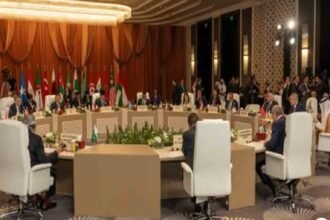
Rubio’s multi country visit began in Sweden, where he attended a meeting of NATO foreign ministers and held discussions on defense cooperation and burden sharing within the alliance. The talks reportedly focused on strengthening NATO’s collective defense posture, increasing military investment among member nations and addressing Arctic security issues amid growing geopolitical competition in Europe and the Arctic region.
During the Sweden visit, Rubio also met ministers from Arctic nations to discuss economic and security interests connected to the rapidly changing Arctic region. The visit came at a time when the United States has been urging NATO allies to increase defense spending and take a larger role in regional security responsibilities.
Rubio then traveled to India for his first official visit as US Secretary of State, visiting Kolkata, Agra, Jaipur and New Delhi. The visit was widely viewed as an effort to strengthen ties with India amid recent tensions over trade policies, tariffs and geopolitical disagreements.
In Kolkata, Rubio visited the headquarters of the Missionaries of Charity and paid respects at the tomb of Mother Teresa. He described the visit as a personal and emotional experience, highlighting humanitarian values shared between the United States and India.
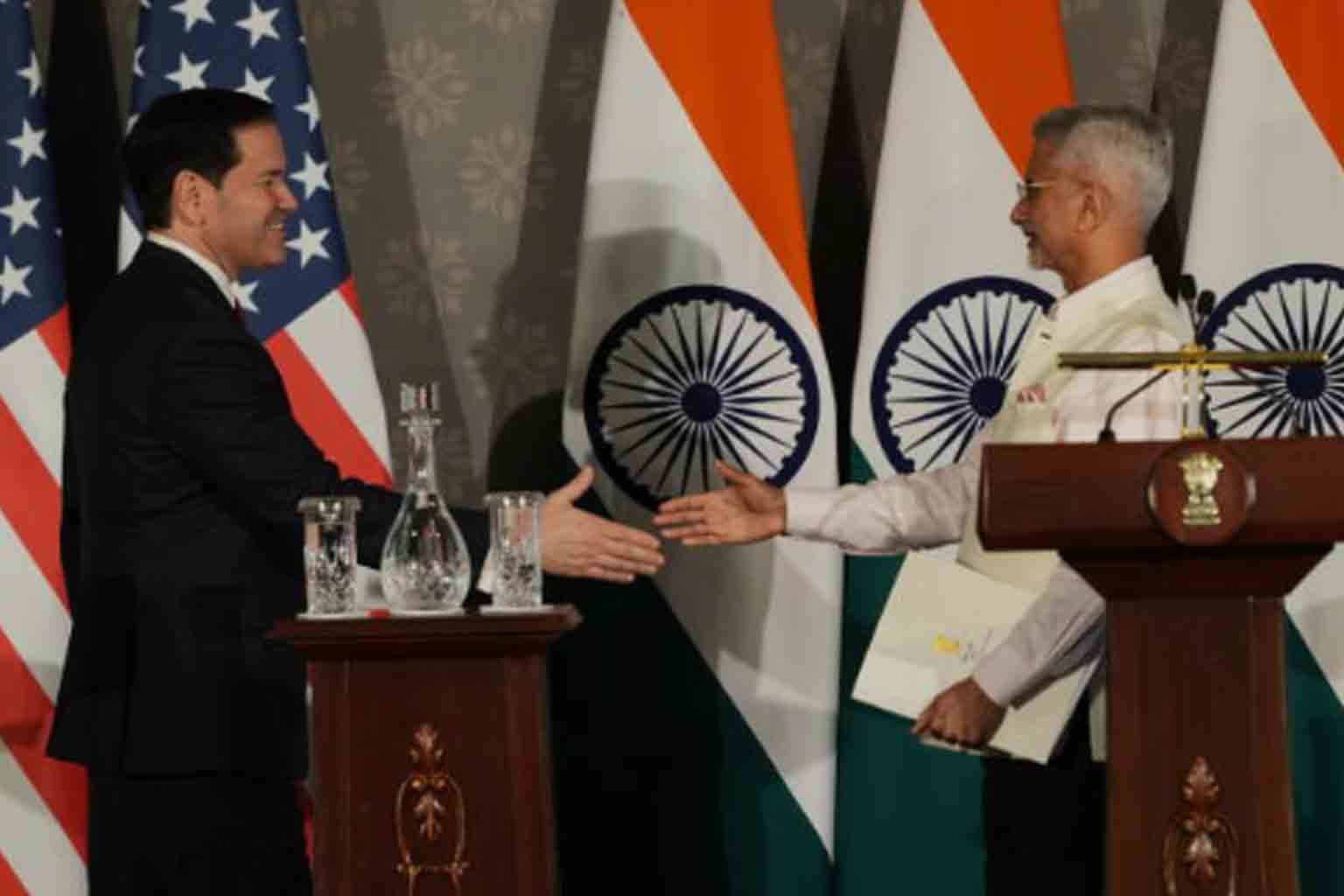
During his stay in New Delhi, Rubio met Indian Prime Minister Narendra Modi and External Affairs Minister S. Jaishankar for discussions covering trade, defense cooperation, energy security and Indo-Pacific strategy. Rubio also participated in Quad related discussions involving the United States, India, Japan and Australia, with a focus on regional stability and countering China’s growing influence in the Indo-Pacific region.
Analysts said Rubio’s India visit aimed to reassure New Delhi after strains caused by recent US tariff policies and Washington’s changing diplomatic approach toward Pakistan and China. Despite differences, both sides emphasized the strategic importance of the India-US partnership in Defense, Technology and Regional security cooperation.
After concluding his India visit, Rubio made a brief but politically significant stop in Armenia, where he signed multiple agreements with Armenian Foreign Minister Ararat Mirzoyan. The agreements included a strategic partnership framework, cooperation on critical minerals and support for a proposed transit corridor connecting Azerbaijan to its exclave Nakhchivan through Armenian territory.
The Armenia visit reflected Washington’s growing engagement in the South Caucasus region as Armenia increasingly distances itself from Russia and strengthens ties with Western countries. The agreements signed during Rubio’s visit reportedly drew criticism from Moscow, which warned Armenia against moving too far away from Russian influence.
Observers described Rubio’s tour as one of the most strategically important diplomatic missions of his tenure so far, covering three regions central to current US foreign policy priorities NATO security in Europe, Indo-Pacific cooperation with India and growing competition for influence in the South Caucasus.