
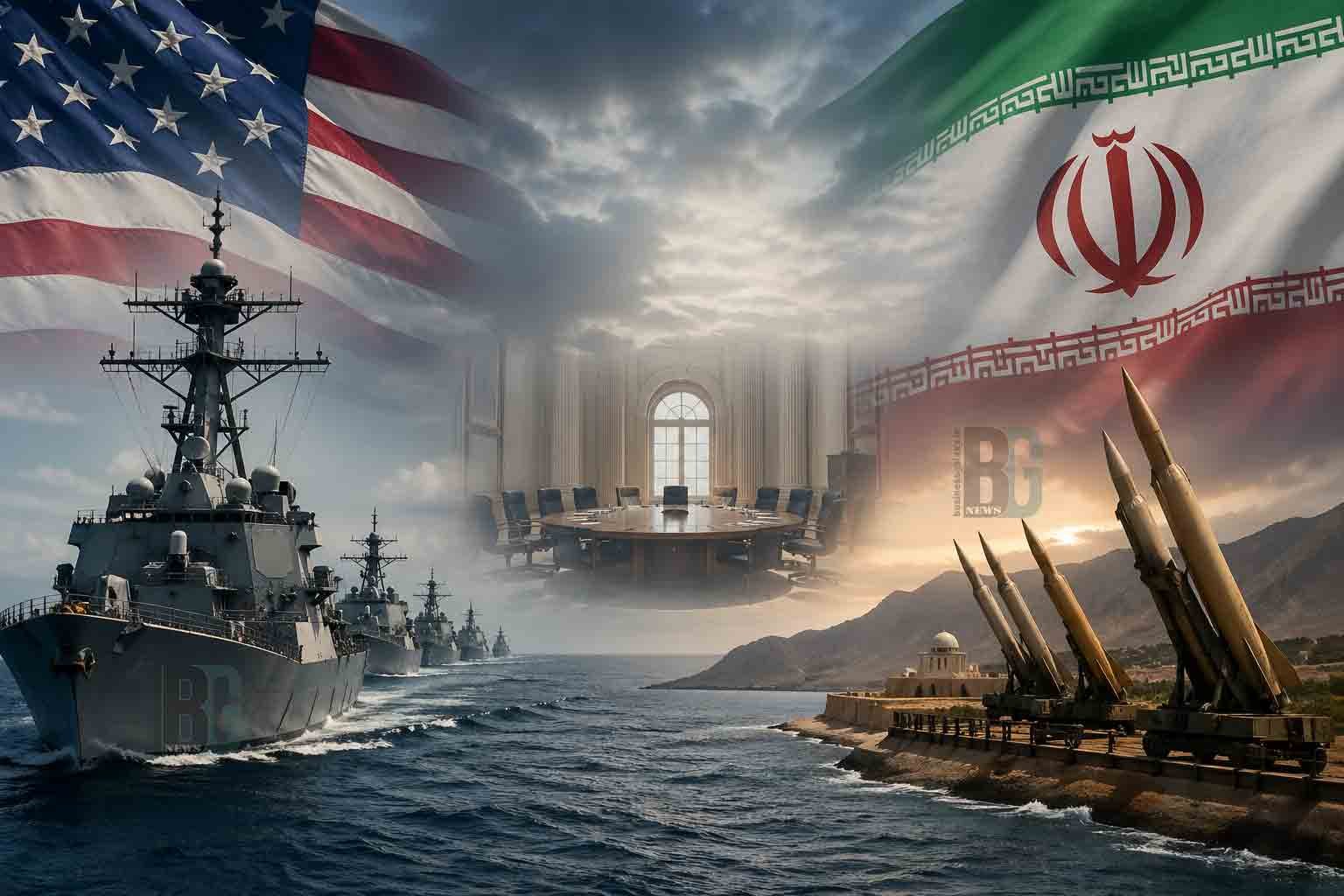
The ongoing conflict between the United States and Iran has intensified, with President Donald Trump continuing to pressure Tehran to accept a strict nuclear deal. The move has triggered a wider global debate over national security rights, global dominance and shifting alliances.
Why the US is Pressuring Iran
Washington insists that Iran must not develop nuclear weapons, arguing that such capability would destabilize the Middle East and threaten global security. U.S. officials have warned that Iran’s missile and nuclear ambitions pose risks not only to the region but also to Western allies.
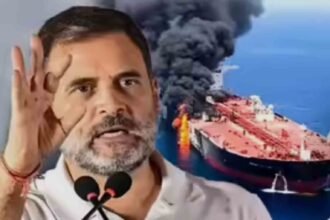
The U.S. strategy currently relies on military pressure and economic restrictions, including a naval blockade, to force Iran into negotiations. However, despite months of pressure, talks remain stalled and no breakthrough has been achieved.
Iran’s Stand: Right to Security
Iran maintains that it has the right to develop nuclear technology for peaceful purposes under international agreements. Tehran has repeatedly stated it will not negotiate under pressure and sees U.S. actions as aggression.
Many analysts and global observers argue that every country has the right to strengthen its defense for safety and security, but nuclear weapons remain controversial due to their global impact.
Debate Over “Global Dominance”
The conflict has fueled criticism that the U.S. and its ally Israel are trying to expand influence and control in global affairs.
Critics point to:
- U.S. military interventions
- Strong support for Israel in regional conflicts
- Pressure tactics on countries like Iran
Supporters of U.S. policy argue instead that Washington is trying to prevent nuclear proliferation and maintain global stability, not dominate the world.
NATO Tensions Add Complexity
At the same time, questions are growing about the U.S. relationship with NATO.
Recent developments suggest Washington is pushing European allies to take more responsibility and has even acted in the Iran conflict without full NATO involvement.
This has raised concerns about whether the U.S. is redefining its role in global alliances, rather than fully stepping away.
Current Situation
- No active nuclear agreement between the U.S. and Iran
- Military pressure continues, including blockade measures
- Iran refuses to negotiate under current conditions
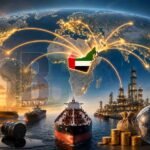
- Global oil trade and regional stability remain at risk
Conclusion
The crisis reflects a deeper global question:
- Do nations have unlimited rights to build power for security?
- Or should global rules restrict such actions to prevent wider conflict?
As tensions continue, the U.S.-Iran standoff is not just about nuclear weapons it is about Power, Security and The future balance of the global order.