
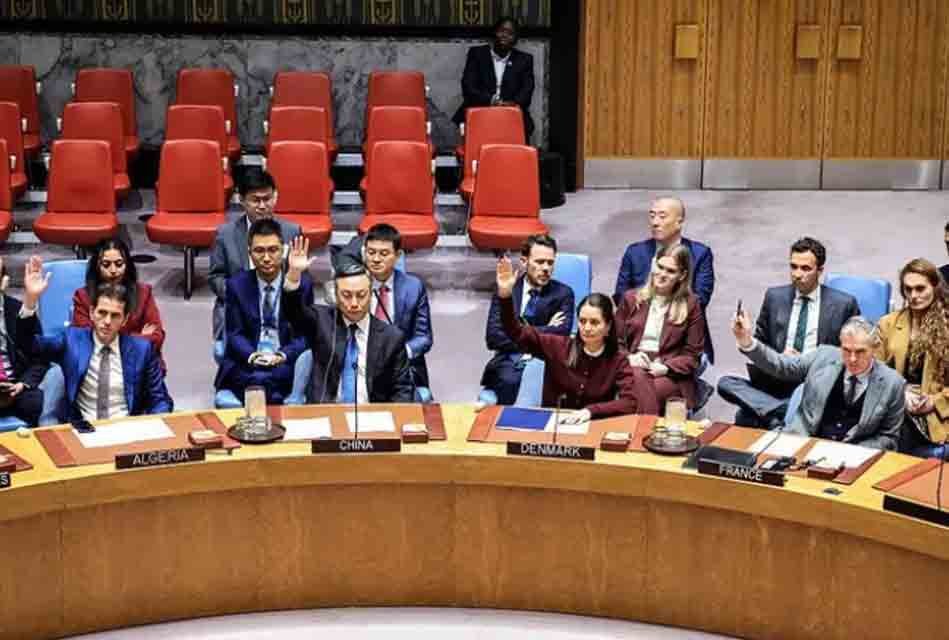
The United States has strongly criticized Russia and China after both countries blocked a resolution at the United Nations Security Council. The move has increased tensions among major global powers and raised concerns about the future of international cooperation.
According to U.S. officials, the veto by Russia and China appeared to support a government accused of suppressing its own citizens. American representatives described the decision as “Deeply disappointing” and said it sends the wrong message at a time when global unity is needed.
The proposed resolution was aimed at addressing concerns related to human rights and governance. While details of the draft were not fully disclosed, it reportedly called for stronger international action and accountability. However, Russia and China used their veto power to prevent it from passing.
In response, U.S. officials warned that such actions could have broader consequences for diplomatic relations. They argued that blocking the resolution undermines efforts to maintain international peace and security, which is a key responsibility of the Security Council.
Russia and China, on the other hand, have often defended their use of veto power by emphasizing the importance of national sovereignty and non-interference in internal affairs. Both countries have previously opposed resolutions they believe could lead to external pressure or intervention in domestic matters.
The situation highlights ongoing divisions within the UN Security Council, where the five permanent members the United States, Russia, China, the United Kingdom, and France hold veto power. These divisions have, at times, made it difficult for the council to take unified action on major global issues.
Analysts say the latest development reflects deeper geopolitical rivalries and could make future negotiations more challenging. As tensions continue, the international community will be closely watching how these differences impact global decision making and diplomatic efforts.