
As the war between Iran and the Israel–United States alliance enters its 10th day, the conflict has expanded beyond a regional confrontation and is now reshaping global politics, security and energy markets.
Iran Continues to Resist
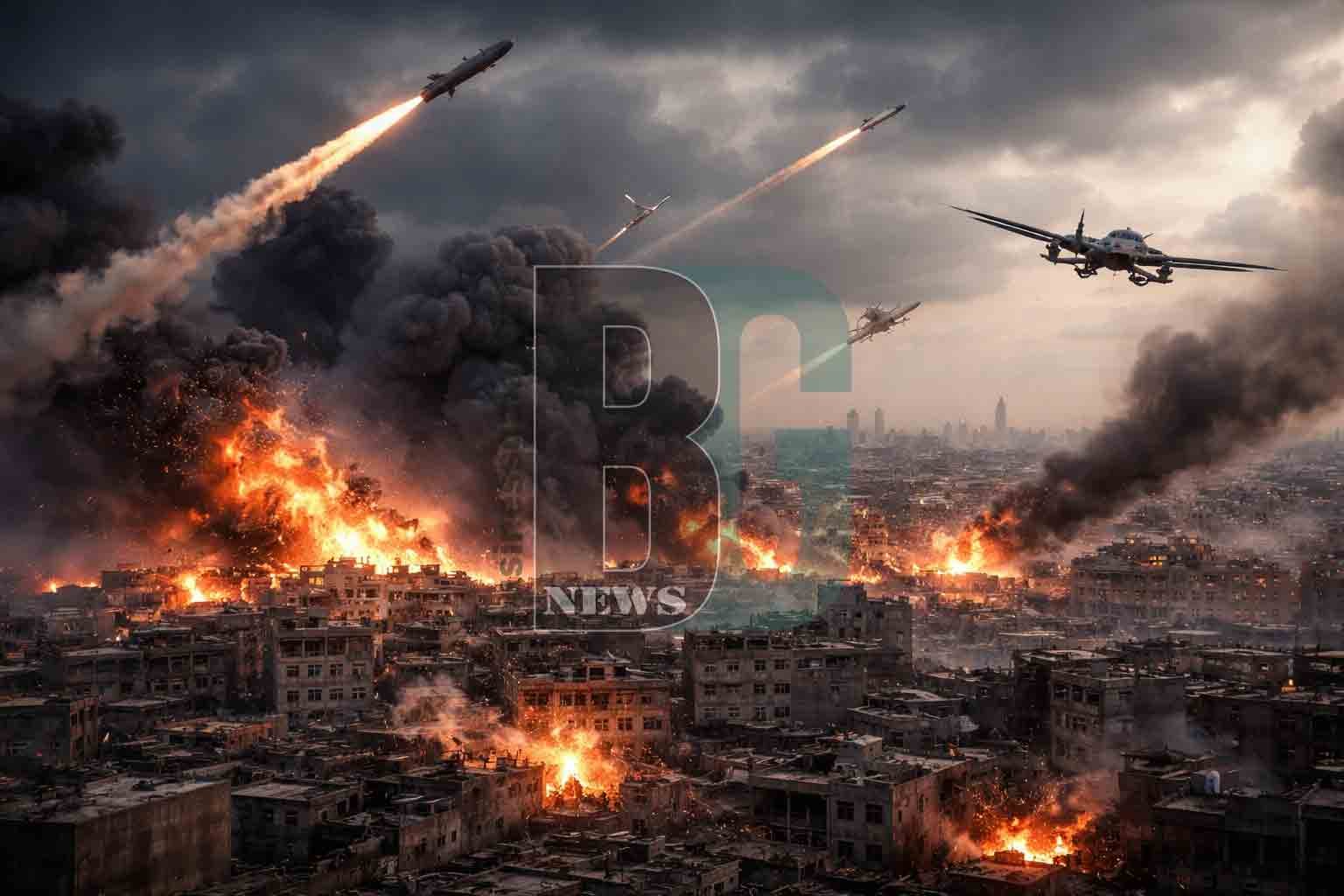
Despite intense airstrikes, Iran has continued to respond with missile and drone attacks across the region. Iranian forces have targeted Israeli territory and several U.S. military bases in the Middle East. Reports indicate that hundreds of missiles and drones have been launched since the start of the conflict.
Heavy strikes by the U.S. and Israel have hit military sites, energy infrastructure and strategic facilities inside Iran. Iranian sources say more than 1,300 people have been killed in the attacks so far.
Despite these losses, Iranian leaders say the country is prepared for a prolonged confrontation and continue to project a stance of resistance.
What the United States and Israel Have Achieved
The joint military campaign has aimed to weaken Iran’s military capabilities and strategic infrastructure. Airstrikes have targeted weapons facilities, missile bases and oil infrastructure across multiple Iranian regions.
Military analysts say the operation has demonstrated the ability of the United States and Israel to conduct coordinated long range strikes and disrupt Iran’s military assets.
What the United States and Israel Have Lost
However, the war has also created significant risks and costs for the two allies. Iranian retaliatory attacks have killed several U.S. personnel and civilians in Israel.
The conflict has also expanded to the wider region, with missiles and drones targeting military facilities and infrastructure in several Middle Eastern countries. The escalation has forced governments to raise security alerts and prepare for potential spillover.
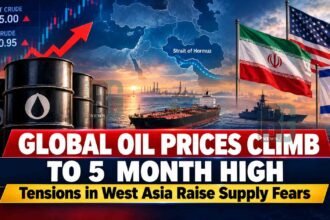
In addition, the war is placing economic pressure on global markets. Airline operations across the Gulf region have been disrupted and thousands of flights cancelled, while energy markets face uncertainty due to threats to key shipping routes.
Global Reactions and Changing Positions
The conflict has also divided the international community. Some Western allies have supported the U.S. and Israel’s actions, while several European leaders and other governments have criticized the military campaign and called for an immediate ceasefire.
Across the Middle East, countries have taken defensive measures as missile threats spread to nearby states, highlighting fears that the conflict could widen further.
A War With Global Consequences
Ten days into the conflict, neither side appears ready to back down. Iran continues to demonstrate its ability to strike across the region, while the United States and Israel maintain their military operations.
Analysts warn that the war is no longer only a regional crisis. It is now affecting global energy supplies, aviation, and international diplomacy raising concerns that the conflict could evolve into a wider geopolitical confrontation if diplomacy fails.