

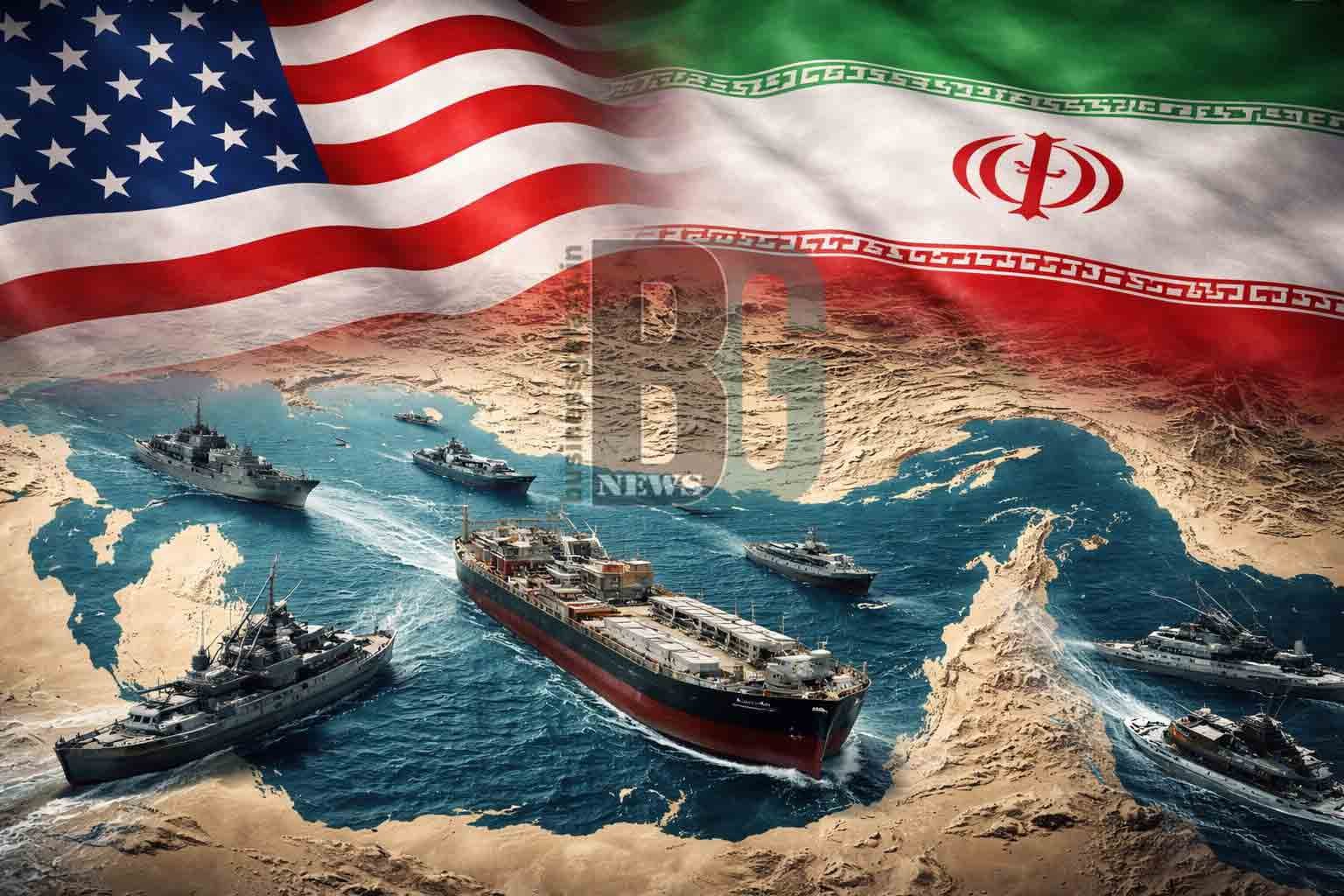
Iranian state television reported on Wednesday that Tehran had received a draft framework agreement from the United States that could pave the way for reopening the strategically vital Strait of Hormuz and easing tensions across the Gulf region. The report claimed the proposed arrangement includes commitments by Washington to lift the naval blockade on Iran, restore commercial shipping traffic, and eventually withdraw American military forces from the Gulf.
According to Iranian state media, the draft memorandum of understanding outlines a phased plan under which Iran would resume normal shipping operations through the Strait of Hormuz within one month of the agreement taking effect. The report stated that commercial maritime traffic would gradually return to pre-conflict levels under a joint monitoring arrangement involving Oman, while military vessels would remain excluded from the framework.
The Strait of Hormuz remains one of the world’s most critical maritime trade routes, handling a significant share of global crude oil and liquefied natural gas exports. Shipping through the waterway has faced major disruptions following the escalation of the 2026 Iran conflict, which led to attacks on vessels, heightened naval confrontations, and a US-led blockade targeting Iranian shipping and ports. The instability triggered sharp fluctuations in global energy markets and raised fears of a wider regional conflict.
Iranian state TV claimed the proposed deal would require the United States to stop “harassing” ships traveling to and from Iran and remove restrictions affecting Iranian maritime trade. Tehran reportedly insisted that any agreement must include verifiable guarantees before Iran fully restores shipping operations through the Gulf. Iranian officials also reportedly view the withdrawal of US forces from the Gulf region as a key long-term objective in negotiations.
However, the White House strongly denied the Iranian claims and rejected suggestions that a finalized agreement had been reached. US officials described several details reported by Iranian media as inaccurate and said negotiations were still ongoing. American authorities stated that major disagreements remain unresolved, particularly regarding Iran’s nuclear activities, regional security arrangements, and long-term military presence in the Gulf.
US President Donald Trump acknowledged that talks with Iran were continuing but said a number of difficult issues still needed to be settled before any agreement could move forward. Secretary of State Marco Rubio also confirmed that diplomatic discussions were active, while warning that the United States would continue to keep “all options on the table” if negotiations failed.
The reports nevertheless had an immediate impact on international markets. Global oil prices fell sharply after news of a possible reopening of the Strait of Hormuz raised hopes of improved energy supplies and reduced risks to shipping routes in the Gulf region. Analysts said traders reacted positively to signs that diplomatic efforts may help stabilize one of the world’s most important energy corridors.
Despite the reports from Iranian media, no formal or binding agreement has been officially confirmed by the United States or international mediators. Observers say negotiations remain highly sensitive and could still face major obstacles before any lasting breakthrough is achieved.