
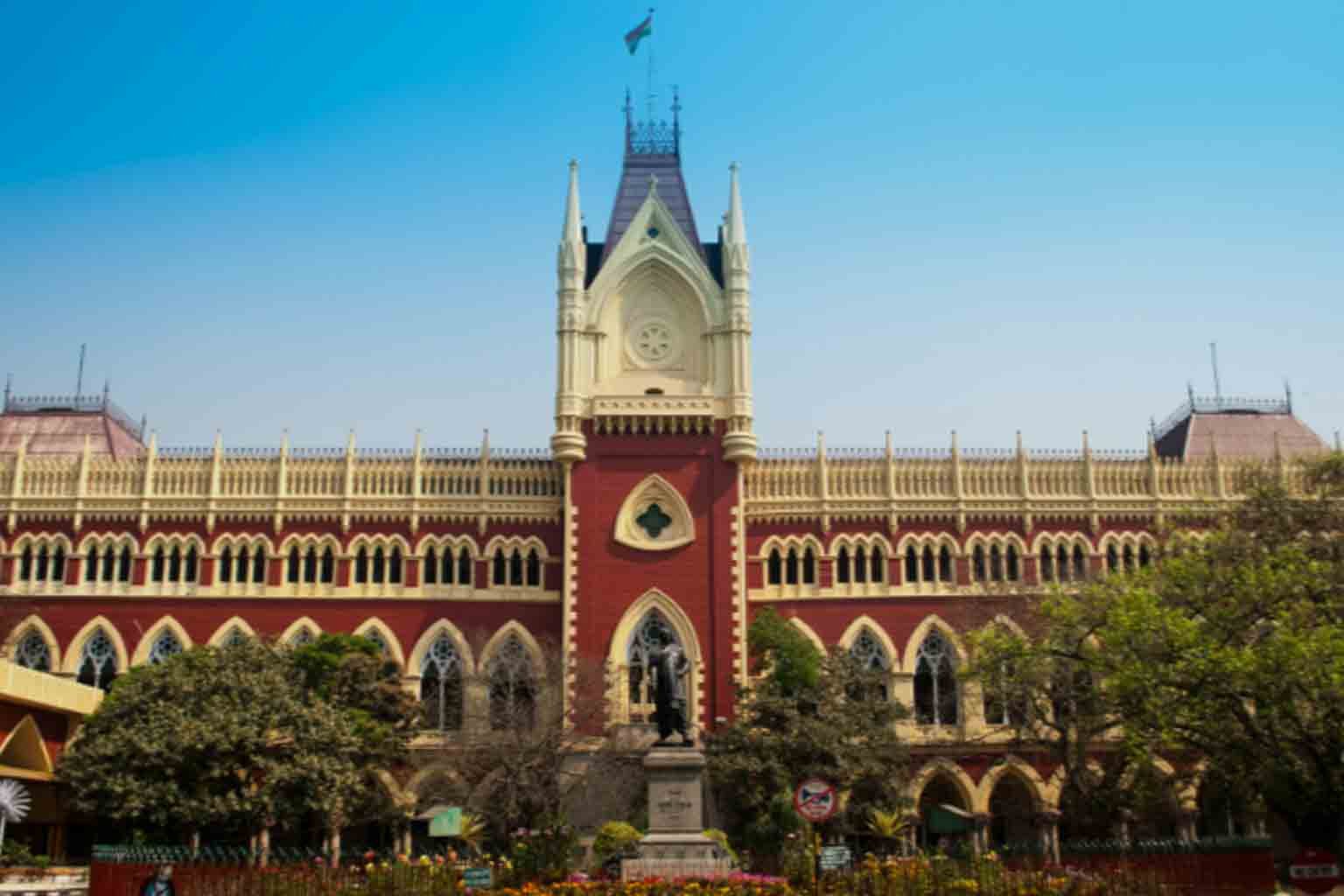
In a significant political setback for Trinamool Congress (TMC) chief Mamata Banerjee, the Calcutta High Court on Thursday declined to grant interim relief against the West Bengal Assembly Speaker’s decision to recognize rebel TMC MLA Ritabrata Banerjee as the Leader of the Opposition (LoP) in the Assembly.
The court’s decision means Ritabrata Banerjee will continue to function as the Leader of the Opposition until further hearings in the case. The petition challenging his appointment was filed by TMC leaders aligned with Mamata Banerjee, who argued that an expelled or rebel MLA should not be recognized as the opposition leader without the approval of the party leadership.
The controversy began after a large group of TMC legislators backed Ritabrata Banerjee and formed a separate bloc within the legislature. The Assembly Speaker subsequently recognized him as LoP, triggering a legal challenge from the Mamata camp.
While the High Court raised questions regarding the legality of the Speaker’s decision, it chose not to stay the appointment at this stage. The matter will continue to be heard in court.
What Is Happening Inside the TMC?
The LoP dispute is part of a much larger internal crisis facing the Trinamool Congress following its defeat in the 2026 West Bengal Assembly elections. Recent developments suggest that divisions within the party have widened considerably.
Major Internal Challenges
Large scale rebellion by MPs and MLAs
Around 20 rebel TMC MPs recently broke away from the party and aligned themselves with a separate political platform, creating one of the biggest splits in the party’s history.
Legislative split
A majority of TMC MLAs in the Assembly reportedly backed Ritabrata Banerjee’s faction, leading to his recognition as Leader of the Opposition.
Growing factionalism
Senior leaders considered close to Mamata Banerjee, including Sobhandeb Chattopadhyay and Kunal Ghosh, were reportedly excluded from key Assembly level meetings, highlighting tensions between rival groups.
Separate functioning inside the Assembly
Reports indicate that legislators loyal to Mamata Banerjee have been given separate space and speaking arrangements in the Assembly, reflecting the existence of competing power centres within the opposition ranks.
Why This Matters
The High Court’s refusal to grant immediate relief is politically significant because it allows the rebel faction to retain institutional recognition in the Assembly. The outcome of the case could influence the future structure of the opposition in West Bengal and determine whether the TMC remains united or faces a deeper split.