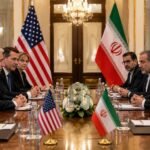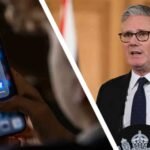

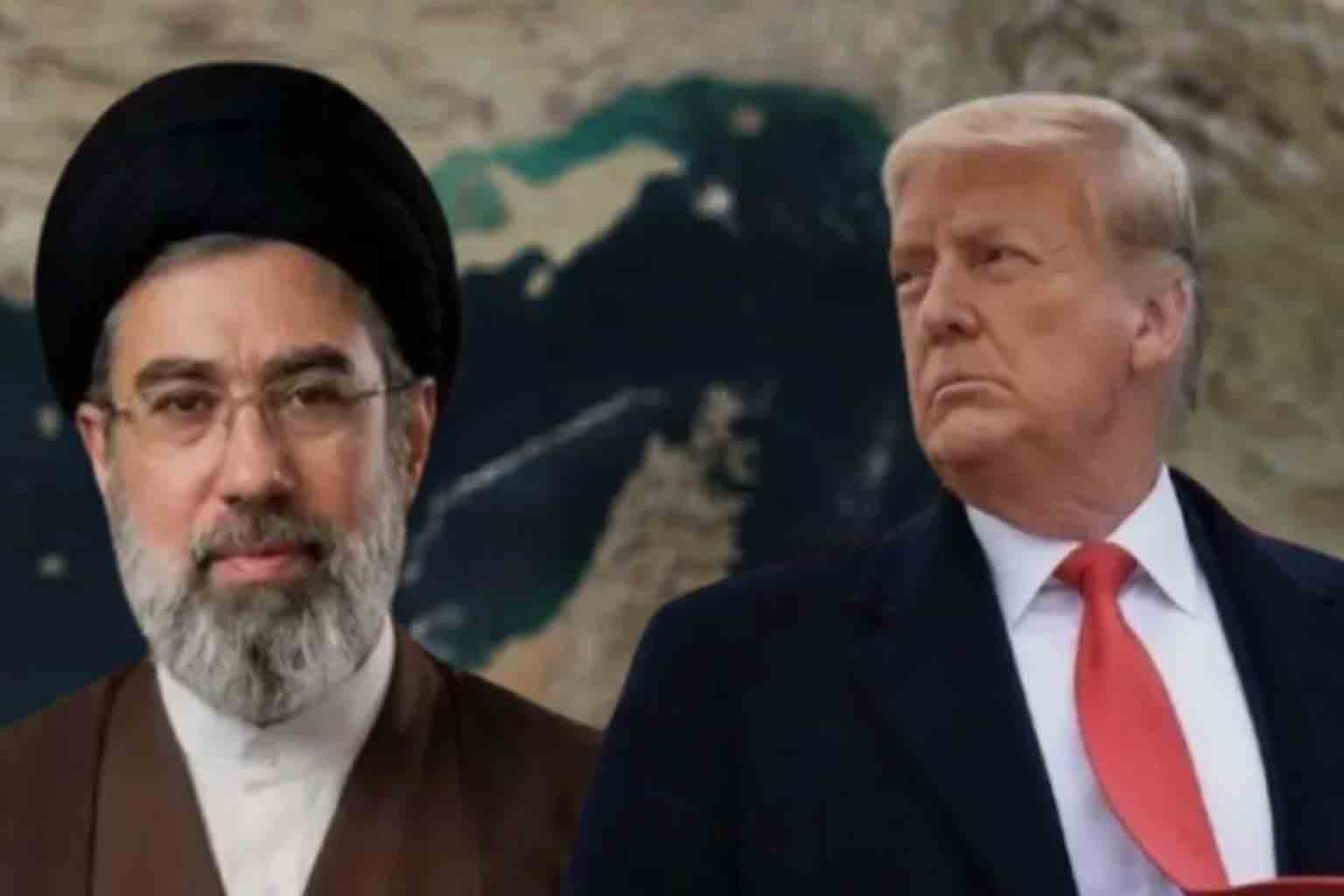
The United States and Iran appear to be moving closer to ending months of heightened tensions in the Middle East, with Iranian Foreign Minister Abbas Araqchi announcing that the two sides are expected to formalise a memorandum of understanding (MoU) in Switzerland on Friday.
According to Iranian officials, the proposed agreement would pave the way for formal negotiations on Iran’s nuclear programme and the possible easing of international sanctions imposed on Tehran. The signing is expected to mark the beginning of a broader diplomatic process aimed at stabilising the region after months of conflict and uncertainty.
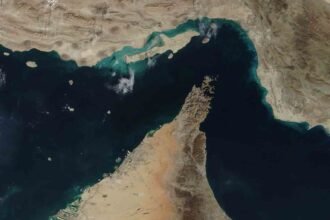
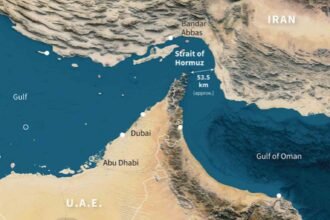
A key feature of the proposed deal is the reopening of the Strait of Hormuz, one of the world’s most important maritime trade routes. Officials involved in the discussions have stated that the Strait of Hormuz will be “Completely open” from Friday, allowing the free movement of commercial vessels through the strategic waterway.
The Strait of Hormuz is a critical passage connecting the Persian Gulf to international waters, with a significant share of the world’s oil and liquefied natural gas exports transported through the route. Any disruption in the strait has the potential to impact global energy markets and fuel prices.
The reopening of the waterway is expected to ease concerns over supply disruptions and provide relief to international markets that have been closely monitoring developments in the region.
The proposed MoU is also expected to establish a framework for future discussions on Iran’s nuclear activities. These negotiations could address issues such as uranium enrichment limits, international inspections and a phased approach to sanctions relief.
While the reported breakthrough has generated optimism, several aspects of the agreement remain unclear. The full text of the proposed memorandum has not been made public, and questions remain regarding implementation mechanisms and long term regional security arrangements.
If the agreement proceeds as planned, Friday could mark a significant turning point in efforts to reduce tensions in the Middle East, revive diplomatic engagement between Washington and Tehran and restore stability to global energy markets.