
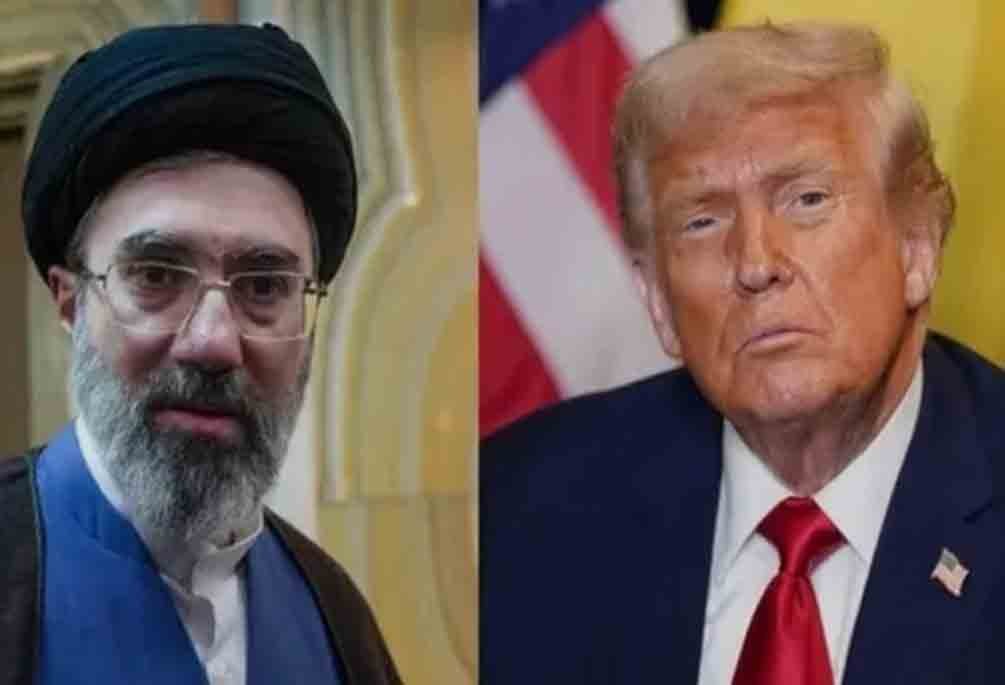
A major military confrontation between the United States and Iran was reportedly avoided after U.S. President Donald Trump decided to pause a planned military strike against Iran and allow diplomatic negotiations to continue.
The development comes amid rising tensions in the Middle East, where fears of a direct conflict between Washington and Tehran had increased sharply over the past several weeks.
According to international reports, the United States had prepared for possible military action targeting Iran. However, the operation was reportedly delayed following urgent mediation efforts by Gulf countries including Qatar, Saudi Arabia, and the United Arab Emirates, which pushed both sides toward negotiations instead of escalation.
Trump’s Statement
President Trump confirmed that military action was temporarily put on hold because diplomatic discussions were ongoing.
Trump reportedly said the United States was fully prepared to respond militarily if necessary, but added that he wanted to give peace efforts another opportunity before taking action.
The U.S. administration maintained that Iran’s nuclear activities and regional actions remain a serious security concern. American officials warned that if talks fail or tensions rise again, military options are still available.
U.S. officials also argued that strong pressure on Iran was necessary to prevent further instability in the Middle East and protect American allies in the region.
Iran’s Reaction
Iran responded cautiously, welcoming the continuation of negotiations while also warning that it would not accept threats or foreign pressure.
Iranian officials reportedly sent a new proposal through regional mediators aimed at reducing tensions and preventing military escalation.
Tehran stated that:
- Iran’s sovereignty must be respected,
- sanctions against Iran should be eased,
- and security guarantees must be part of any future agreement.
Iranian leaders also said the country would defend itself if attacked and warned that any military strike could lead to serious regional consequences.
Iran continued to reject what it described as “maximum pressure policies” from Washington and insisted that peaceful dialogue must be based on mutual respect.
Gulf Countries Push for Diplomacy
Regional countries played a major role in calming tensions. Diplomatic efforts by Gulf nations reportedly helped convince both sides to avoid immediate confrontation and continue talks behind closed doors.
Analysts say many Middle Eastern countries fear that a direct war between the U.S. and Iran could:
- destabilize the entire region,
- disrupt global oil supplies,
- increase fuel prices worldwide,
- and trigger wider security risks.
Global Concerns Grow
The situation has drawn international attention as governments across the world called for restraint and peaceful negotiations.
Global markets and oil traders reacted nervously to the reports, with concerns that any military escalation near the Strait of Hormuz could affect international energy supplies.
Experts say the pause in military action does not mean the crisis is over. Both Washington and Tehran continue to exchange warnings publicly while negotiations continue through mediators.
Situation Still Uncertain
Although the planned strike was reportedly suspended for now, officials caution that tensions remain extremely high and the situation could change quickly depending on the outcome of ongoing diplomatic talks.
For the moment, diplomacy appears to have prevented immediate conflict, but uncertainty continues as the world closely watches developments between the United States and Iran.