

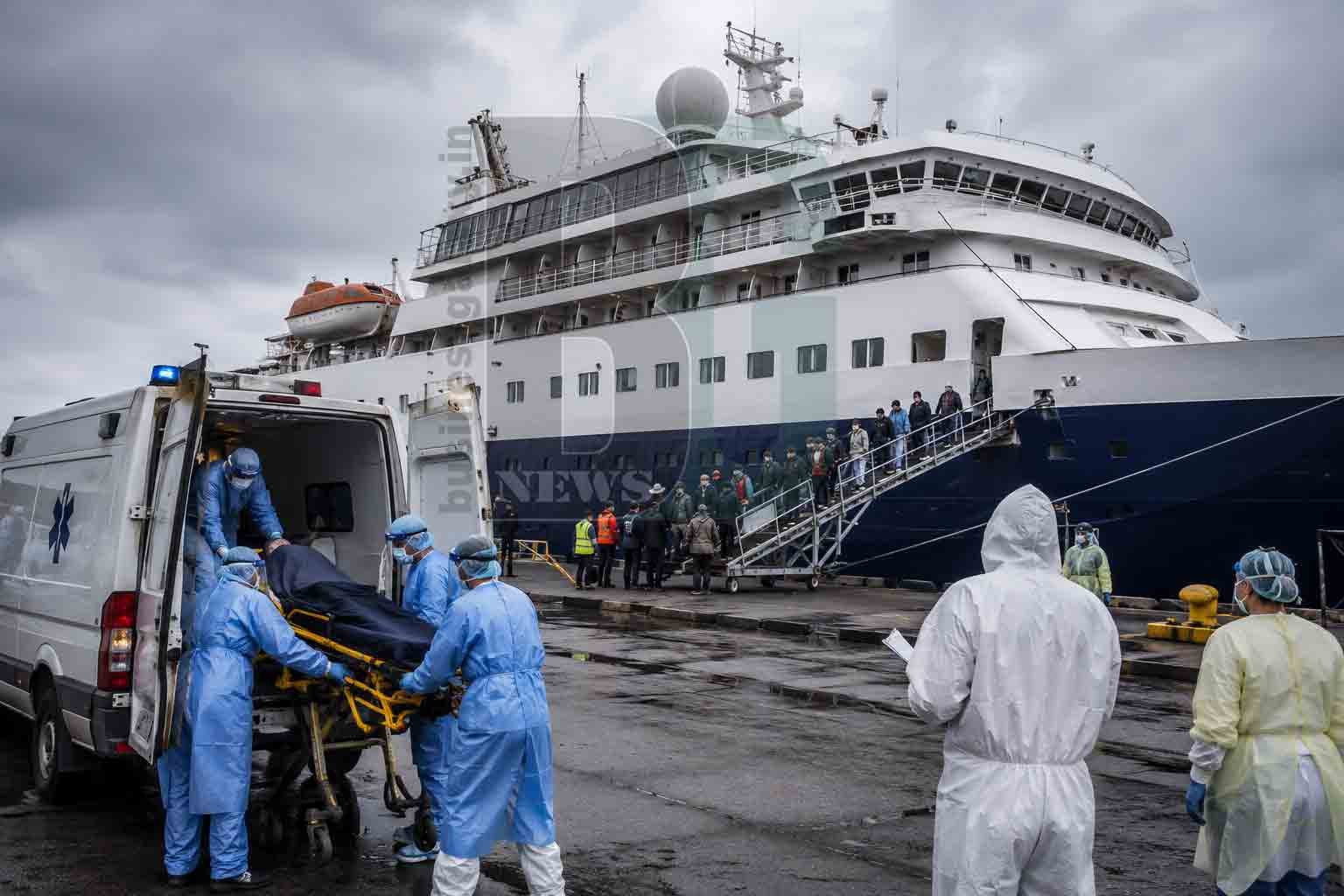
Health authorities across several countries are urgently tracing passengers who left the cruise ship MV Hondius after a deadly hantavirus outbreak was discovered onboard. The situation has raised international concern after multiple deaths and confirmed infections linked to the voyage.
According to officials, more than 30 passengers from at least 12 countries disembarked from the ship at the remote island of St. Helena on April 24, nearly two weeks after the first passenger died onboard. At that time, the outbreak had not yet been officially confirmed, and no large-scale contact tracing was carried out.
So far, three passengers a Dutch couple and a German national have died. Several others have fallen ill, while health agencies continue monitoring possible contacts in countries including South Africa, Switzerland, Singapore, the United Kingdom, and the United States.
The outbreak has been linked to the Andes strain of Hantavirus, a rare form that can spread between humans through close contact. Most hantaviruses usually spread through exposure to infected rodent droppings, urine, or saliva. Health experts believe the virus may have originated during a birdwatching trip in Argentina before passengers boarded the cruise.
The World Health Organization (WHO) says the overall risk to the general public remains low, but authorities are continuing international tracing efforts due to the unusual nature of the Andes strain. WHO has also sent testing kits to several countries involved in the response.
Three people, including the ship’s doctor, were medically evacuated from the vessel while it was near Cape Verde and transferred to hospitals in Europe for treatment. Meanwhile, the ship is sailing toward Spain’s Canary Islands with more than 140 passengers and crew still onboard.
Officials say no remaining passengers or crew members are currently showing symptoms, but monitoring and quarantine measures are continuing as a precaution.