
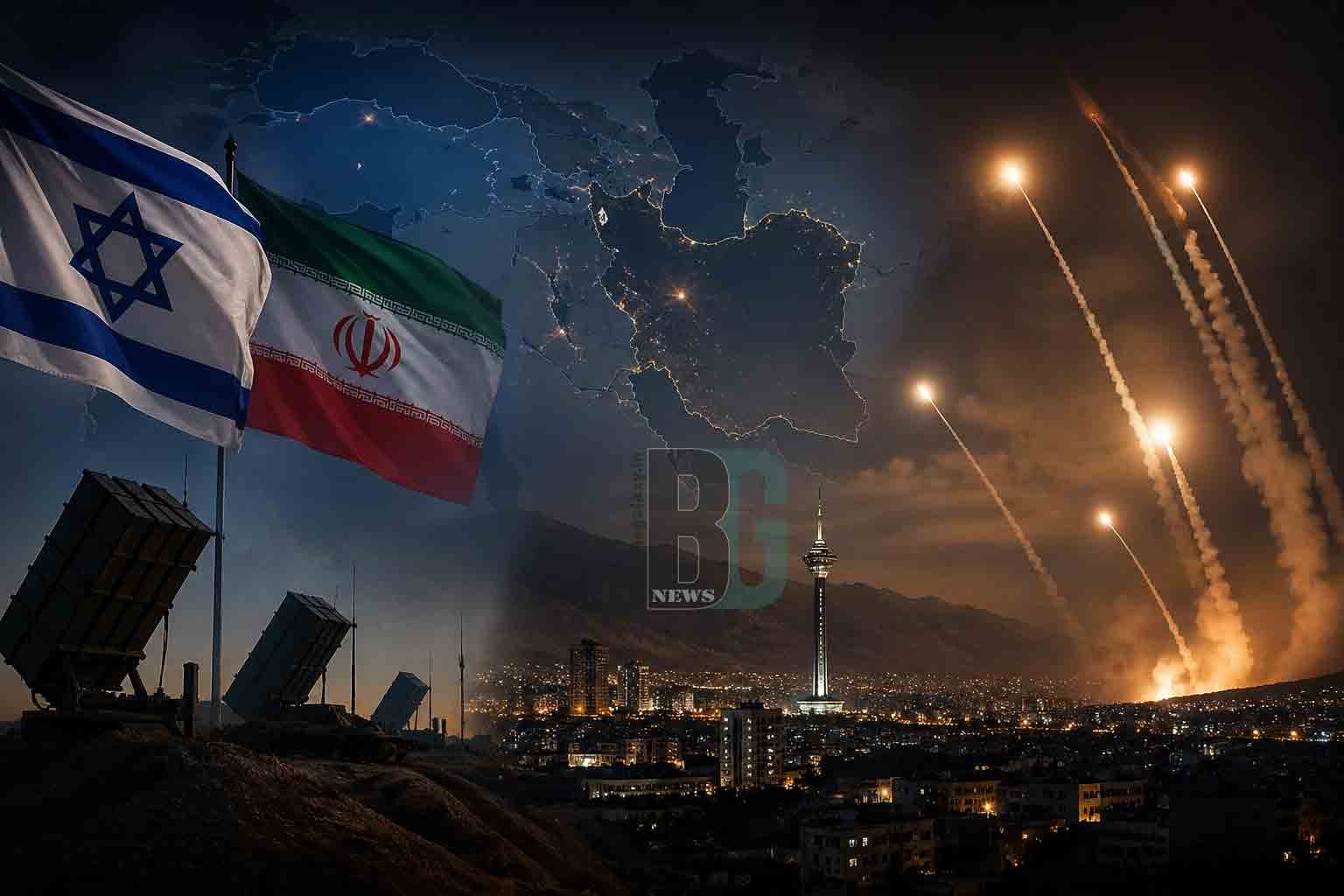
Tensions in the Middle East escalated sharply after a series of developments involving Israel, Iran, and the United States pointed to growing uncertainty over diplomacy and security in the region.
Israel signals diplomatic breakdown
Israeli officials are reportedly moving toward a formal announcement that negotiations with Iran have failed, indicating a potential end to recent diplomatic efforts. The move suggests a possible shift toward a more assertive or military focused approach if tensions continue to rise.
US sends mixed signals
At the same time, Donald Trump delivered a complex message, combining a firm military stance with an openness to high level diplomacy with Tehran.
Trump stated that the United States is currently engaged in “Negotiations to conclude a deal with Iran” even as he criticized Congressional Democrats for pushing a resolution to end hostilities. The remarks highlight internal political divisions in Washington while maintaining pressure on Iran.
Air defenses activated in Tehran
Late Thursday night, air defense systems were reportedly activated across Tehran, according to local media. While the exact cause remains unclear, such measures typically indicate heightened alert over potential aerial threats, including drones or unidentified objects.
Region on edge
Together, these developments paint a picture of a region caught between diplomatic uncertainty and rising military readiness. While no official declaration of war has been made, the combination of:
- Breakdown in talks
- Ongoing negotiations
- Military alert activity
suggests a fragile and volatile situation.
What it means
Analysts say the current phase reflects a dual track strategy, where diplomacy continues behind the scenes even as military preparedness increases. Such conditions often precede either a renewed agreement or further escalation, depending on how talks evolve.