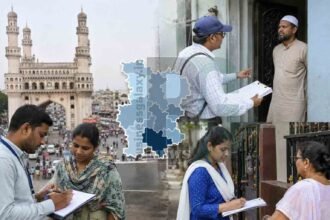

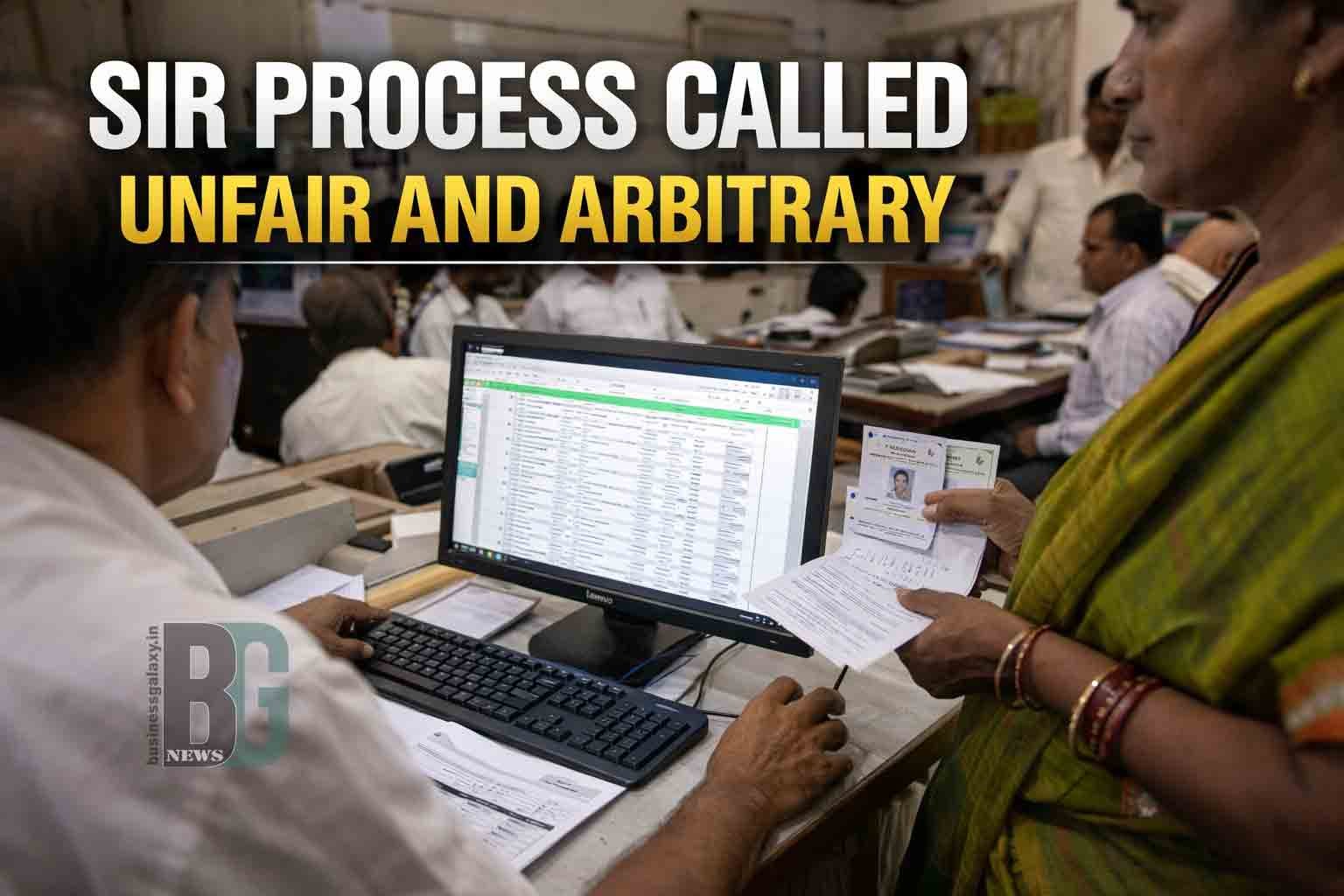
Concerns have been raised by a group of intellectuals, lawyers, and social activists over the ongoing Special Intensive Revision (SIR) of electoral rolls, with critics alleging that the process is arbitrary and may be unfairly excluding eligible voters.
According to the group, the SIR exercise involves large scale verification of voter lists, but the manner of implementation has led to fears that genuine voters could be left out without adequate scrutiny or proper notice. They argue that such exclusions, if not corrected, could impact the democratic rights of citizens.
The activists have urged the Election Commission of India to immediately pause or review the process, stating that transparency and due procedure must be strictly followed in any electoral roll revision exercise.
They also claim that in several instances, names have been flagged for deletion without sufficient documentation or ground verification, raising concerns about accuracy and accountability in the process.
Legal experts associated with the appeal have stated that voter list revision is an essential administrative exercise, but it must be conducted in a fair and inclusive manner. They have called for independent oversight and clearer communication with affected citizens.
Meanwhile, election authorities maintain that the SIR process is a routine measure aimed at updating electoral rolls by removing duplicate, deceased, or relocated voters, while ensuring that eligible citizens are included.
The issue has sparked wider debate over electoral transparency, with calls from civil society for stronger safeguards to prevent wrongful deletions and to protect the integrity of the voter database.
As discussions continue, the matter is expected to draw further attention from policymakers and the judiciary, especially if formal petitions are filed challenging the process.