

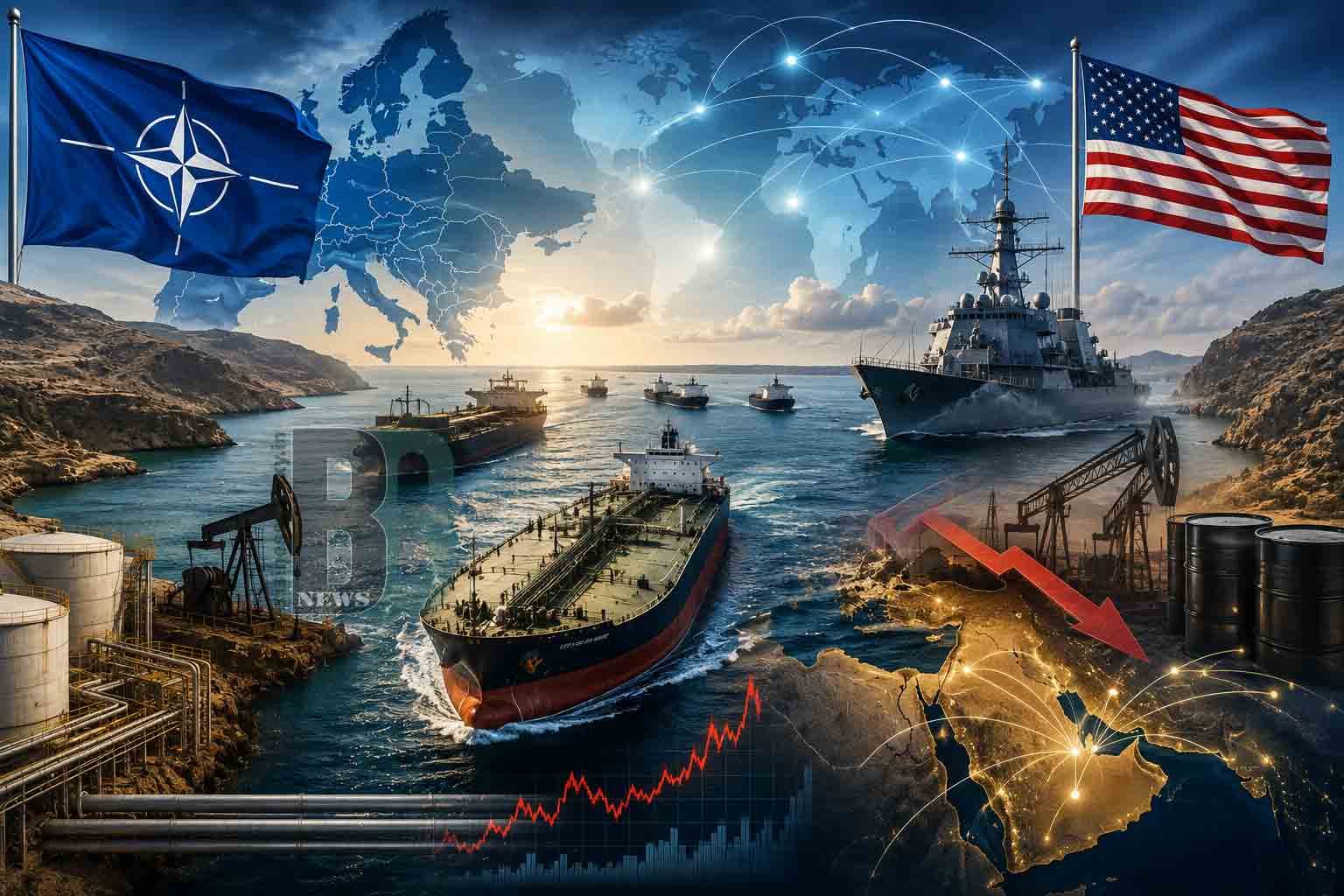
A growing disagreement between U.S. President Donald Trump and NATO allies over the security of the Strait of Hormuz has exposed fresh divisions within the Western alliance, raising concerns ahead of next month’s NATO summit.
The Strait of Hormuz, one of the world’s most important energy chokepoints, became a major flashpoint during the recent Iran conflict after disruptions to shipping routes threatened global oil supplies. The waterway handles a significant share of the world’s oil and liquefied natural gas exports.
What Triggered the Clash?
Earlier this year, Trump urged NATO allies and major economies that depend on Gulf energy supplies to contribute military resources to help secure shipping through the Strait of Hormuz. However, several NATO members and partner countries were reluctant to become directly involved, arguing that diplomacy should be prioritized over military escalation.
The disagreement reportedly frustrated Trump, who accused some allies of benefiting from U.S. security efforts while contributing too little in return. He has repeatedly criticized NATO members for what he views as insufficient support in the Middle East and inadequate defense spending.
NATO Seeks to Ease Tensions
NATO Secretary General Mark Rutte is expected to hold talks with Trump in an effort to reduce tensions before the NATO summit scheduled for July. Alliance officials are seeking to reassure Washington about increased defense spending commitments while preserving NATO unity.
According to reports, European allies remain concerned about the possibility of a reduced U.S. commitment to NATO if disagreements continue. Trump has previously described NATO as a “Paper tiger” and questioned the alliance’s value if member states do not share more of the security burden.
Strait of Hormuz Remains Central Issue
Despite a recent U.S.-Iran diplomatic understanding aimed at keeping the Strait of Hormuz open, concerns remain about future restrictions on shipping and regional security. Trump recently stated that Iran had assured Washington that no tolls or fees would be imposed on vessels using the waterway, warning that negotiations could collapse if those assurances prove false.
U.S. Secretary of State Marco Rubio has also insisted that the Strait of Hormuz must remain open and toll-free, describing it as an international shipping route vital to global trade and energy markets.
Why It Matters
Any disruption to shipping through the Strait of Hormuz can have major consequences for global energy prices and international trade. Countries across Europe, Asia and the Middle East closely monitor developments in the region because of their dependence on Gulf oil and gas supplies.
Analysts say the dispute highlights broader questions about burden-sharing within NATO and the future direction of U.S. foreign policy under Trump’s leadership. While both sides are expected to continue discussions, the issue is likely to remain a key topic at the upcoming NATO summit.