
What initially appeared to be a routine bank robbery has evolved into a complex criminal investigation involving an alleged ethical hacker, encrypted communications and a carefully orchestrated operation.
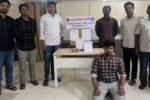
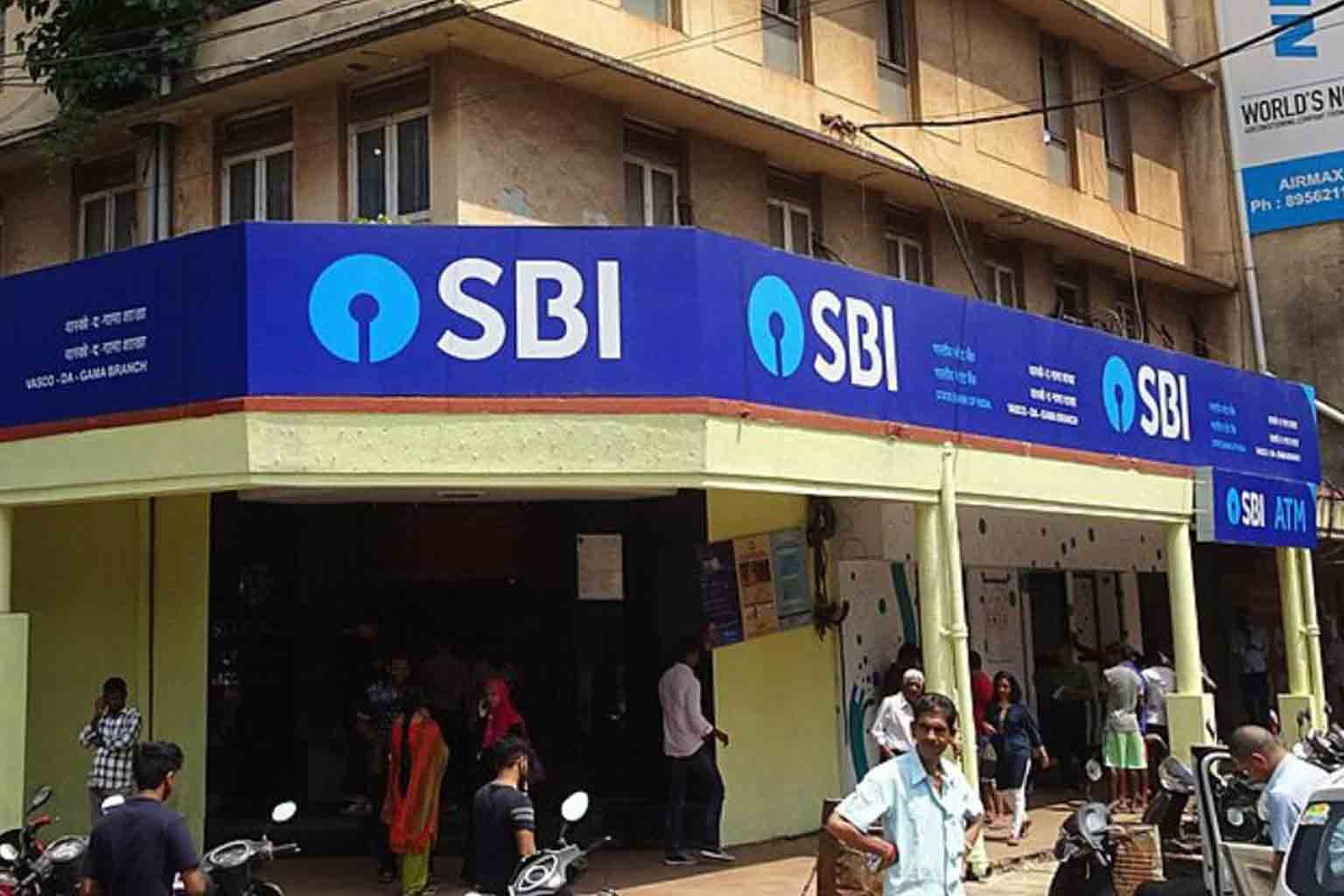
The case centers on a daylight robbery at a branch of the State Bank of India (SBI) in Surat, Gujarat, where around Rs 50 lakh was looted on April 27. After weeks of investigation, Surat Police announced a major breakthrough with the arrest of the alleged mastermind, Vikas Kumar alias Chandan, along with his associate Sanjit alias Sachin, who is accused of providing shelter and logistical support.
According to police, the arrests followed an extensive multi-state manhunt covering nearly 7,000 kilometres across several states. Investigators tracked the suspects through a combination of technical surveillance, intelligence gathering and field operations.
Police allege that Vikas Kumar, described as having expertise in ethical hacking and technology, played a key role in planning the robbery. Investigators say the gang used encrypted messaging platforms, including Signal, to communicate and coordinate their movements while attempting to evade law enforcement agencies.
Officials believe the robbery was not a spontaneous crime but a meticulously planned operation. The accused allegedly studied the bank’s routines, security arrangements and cash movement patterns before carrying out the heist.
During the investigation, police teams conducted raids at multiple locations and analyzed digital evidence, financial transactions and communication records. Authorities say these efforts eventually led them to the suspects’ hideouts.
Police are continuing to investigate whether additional individuals were involved in planning or executing the robbery. Efforts are also underway to recover the remaining stolen money and identify any wider criminal network connected to the case.
The arrests are being viewed as a significant success for Surat Police, who managed to crack the case after an extensive operation that stretched across state borders and involved both conventional detective work and digital forensic analysis.