

Prime Minister Narendra Modi has warned that the ongoing crisis in West Asia could push millions of people around the world back into poverty if the situation continues to worsen.
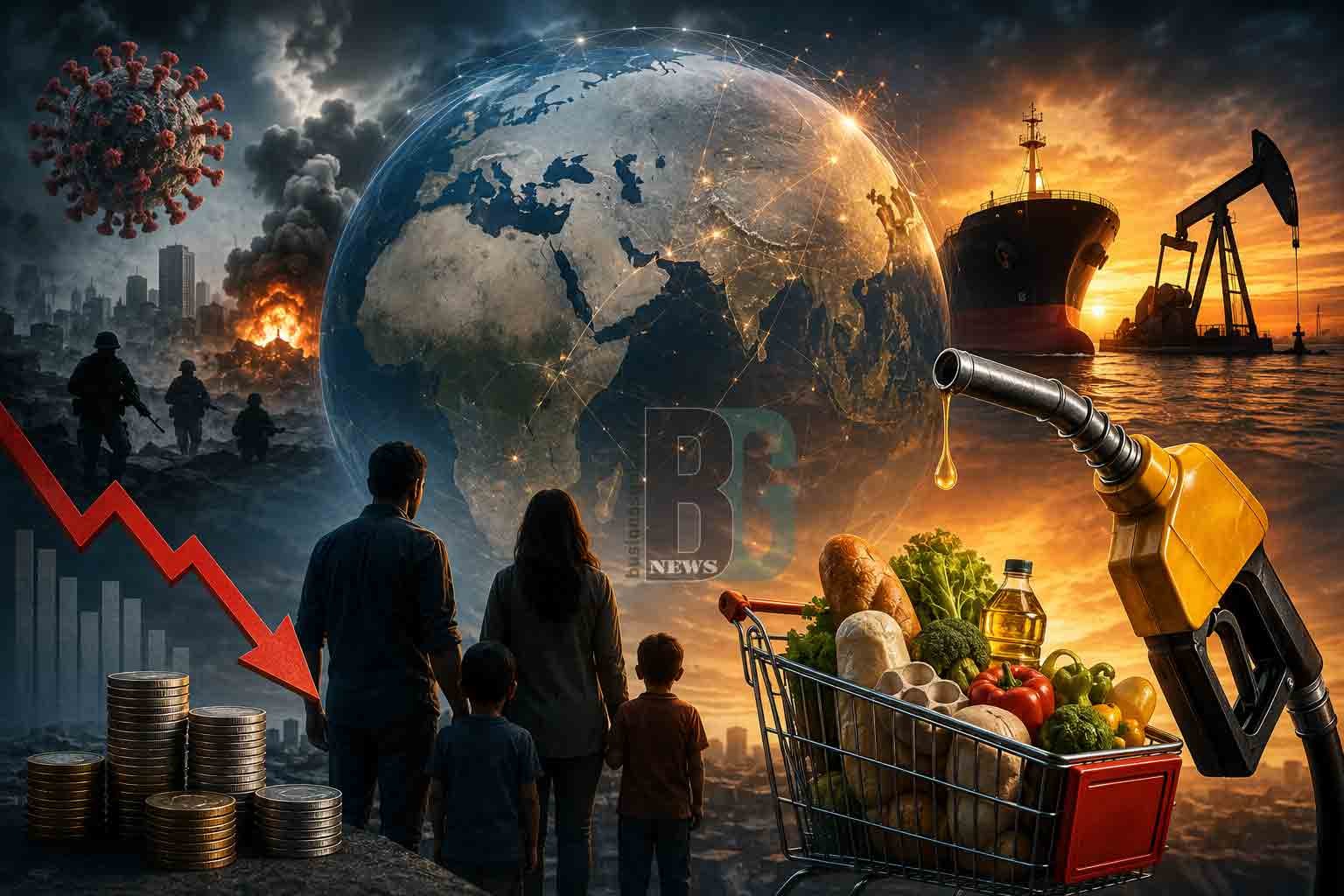
Speaking during recent public addresses and government meetings, Modi described the current decade as a “Decade of disasters” pointing to the combined impact of the COVID-19 pandemic, Global wars, Supply chain disruptions and The growing energy crisis.
The Prime Minister said rising tensions in West Asia are creating serious risks for Global energy security, Trade routes, Inflation and Economic stability. India, which imports most of its crude oil, is particularly vulnerable to disruptions in global oil supply and shipping routes such as the Strait of Hormuz.
Modi warned that prolonged instability could erase years of development gains and hurt developing economies the most. He stressed the importance of resilient supply chains, energy preparedness and economic discipline during uncertain global conditions.
The government has reportedly begun reviewing fuel supply, petroleum reserves, fertilizer logistics and power sector preparedness amid fears of rising oil prices and inflation. Senior officials are said to be working on plans to reduce the economic impact on citizens and industries.
In recent speeches, Modi also urged people to use petrol and diesel carefully, reduce unnecessary fuel consumption and support energy saving measures wherever possible.
The crisis has triggered concern across multiple countries. Several governments in Asia have discussed electricity conservation, strategic fuel reserves and emergency planning as oil markets react to geopolitical tensions.
Economists warn that rising energy prices can increase transport costs, food prices, factory expenses and household inflation. Higher fuel prices also put pressure on savings, businesses and employment, especially in developing countries dependent on imported energy.
Financial experts say global crises often first appear through inflation and later affect economic growth, jobs, investment and consumer spending. Analysts advise households to remain financially cautious, maintain emergency savings, and avoid panic driven spending during periods of global uncertainty.
At the same time, opposition parties criticized the government’s handling of the economy, arguing that ordinary citizens are already facing pressure from inflation, fuel prices, and unemployment. The government, however, maintains that India’s economic fundamentals remain strong and that preparations are underway to manage any long-term impact from the global crisis.