
Fresh developments in the Middle East have highlighted differing approaches within the United States and Israel toward Iran, even as diplomatic efforts continue to reduce tensions in the region.
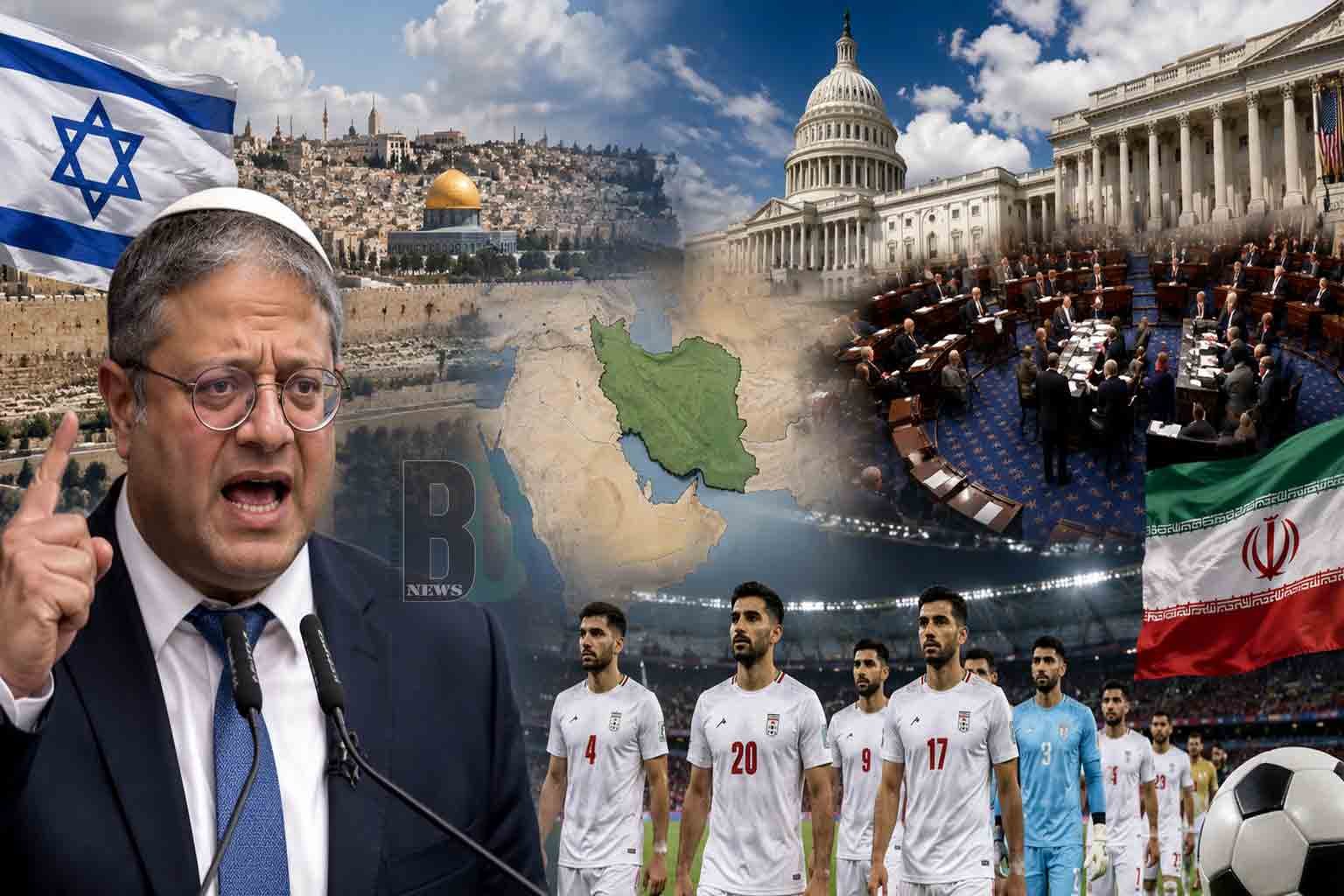
Israeli National Security Minister Itamar Ben-Gvir stated that Israel must remain prepared to “act alone” if necessary to counter perceived threats from Iran. His remarks reflect concerns among some Israeli officials that Iran’s military and nuclear capabilities continue to pose a long-term security challenge despite ongoing diplomatic discussions.
Ben-Gvir’s comments come at a time when international efforts are focused on maintaining stability following recent tensions involving Iran, Israel and the United States. Israeli leaders have repeatedly emphasized that they reserve the right to take independent action if they believe national security is at risk.
Meanwhile, the U.S. Senate has voted in favor of a measure aimed at limiting the possibility of a broader military conflict with Iran. Supporters of the proposal argued that any significant military action should require congressional approval, reflecting concerns among lawmakers about the risks and costs of another major conflict in the Middle East.
The Senate vote highlights ongoing debate in Washington over how the United States should approach Iran. While some lawmakers support stronger pressure on Tehran, others favor diplomatic engagement and caution against military escalation.
In a separate development, U.S. authorities have eased certain restrictions affecting Iran’s national football team during the ongoing 2026 FIFA World Cup. The move is seen as part of efforts to ensure sporting events remain separate from political disputes and to facilitate the team’s participation in tournament-related activities.
Iranian officials have welcomed measures that allow athletes to compete with fewer administrative obstacles, while emphasizing that sports should serve as a bridge between nations rather than a source of political confrontation.
The three developments illustrate the complex balance currently shaping international policy toward Iran: Israel continues to signal a willingness to act independently if necessary, many U.S. lawmakers are seeking to avoid a wider military conflict and sporting exchanges are being allowed to proceed despite broader geopolitical tensions.