

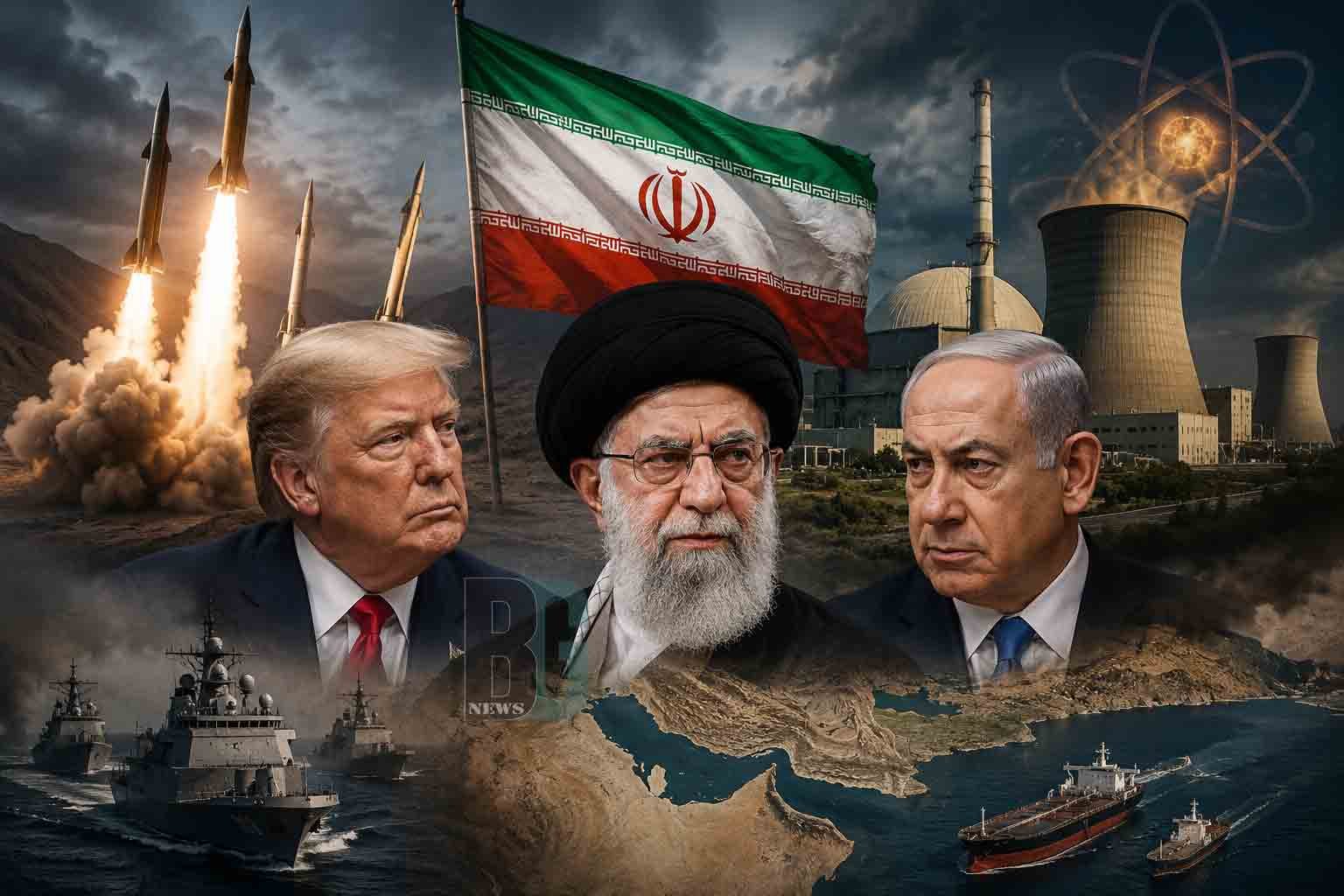
Iran has issued a strong warning that it could increase uranium enrichment to 90% purity if the United States or Israel launches fresh military strikes against the country, further escalating fears of a wider Middle East conflict.
The warning came from Iranian parliamentary officials during growing tensions over Iran’s nuclear program, military threats and fragile ceasefire negotiations involving Tehran, Washington and Tel Aviv.
In simple terms, Iran’s message is clear: if its nuclear facilities or military infrastructure are attacked again, Tehran may respond by taking its nuclear activities much further. Iranian officials say the country will not surrender under pressure or threats.
The issue centers around uranium enrichment, a process used in nuclear energy production. Most civilian nuclear power plants use uranium enriched to around 3% to 5%. Iran is already believed to possess uranium enriched up to about 60%, which is significantly higher than normal civilian levels.
However, uranium enriched to 90% is considered weapons grade material by international experts. That level is associated with the capability required for nuclear weapons development, although Iran continues insisting that its nuclear program is intended only for peaceful civilian purposes.
Israel has repeatedly warned that it will not allow Iran to move closer to nuclear weapons capability. Israeli Prime Minister Benjamin Netanyahu recently stated that the conflict with Iran “is not over” and said Israel remains determined to stop Tehran’s nuclear ambitions.
The United States has also maintained pressure on Iran, demanding strict limits on uranium enrichment, missile development and regional military activities. U.S. President Donald Trump recently rejected parts of Iran’s latest proposal during ongoing indirect negotiations.
Iran, meanwhile, argues that its nuclear program is legal and peaceful. Tehran accuses the United States and Israel of using military threats and sanctions to weaken the country politically and economically.
Iranian officials say the latest warning is meant as a deterrent message. In essence, Tehran is signaling that continued military attacks could push Iran closer to taking steps that would alarm the international community even further.
The situation has raised global concern because any major escalation involving Iran’s nuclear program could trigger wider military conflict across the Middle East. Analysts warn that further attacks, retaliation or nuclear escalation may affect oil shipping routes, global energy prices and regional stability.
Diplomatic efforts are still continuing through indirect talks and international mediators, but tensions remain extremely high as all sides continue exchanging warnings while preparing for possible escalation.