

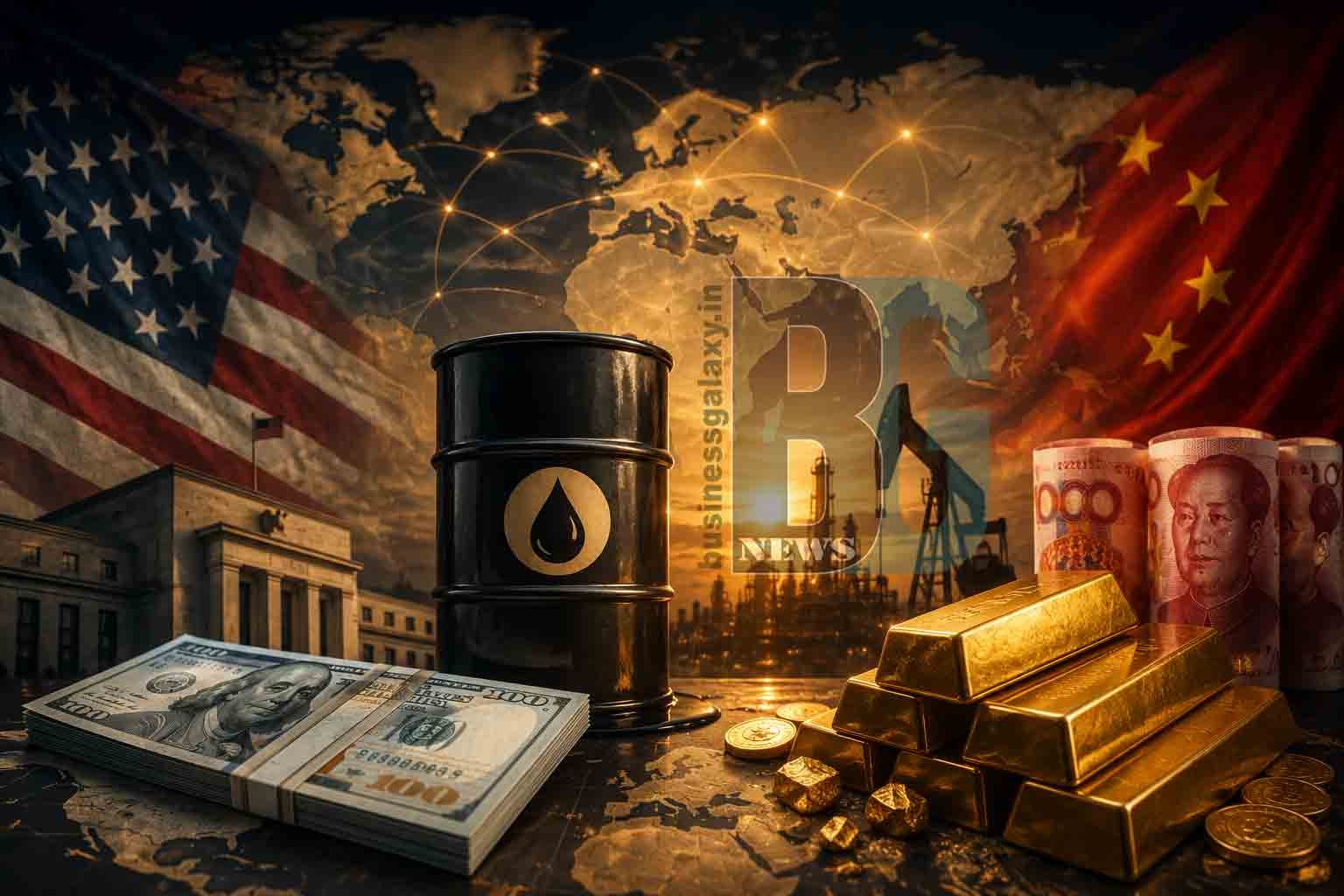
For decades, the global oil market has operated on a system that strengthened the power of the United States and the U.S. dollar. Most countries buying oil from the Middle East and other major producers have traditionally paid in U.S. dollars, creating what economists commonly describe as the “Petrodollar system.”
Under this system, oil exporting nations earned massive amounts of dollars through energy sales and often reinvested those funds into U.S. government bonds, banks, and financial markets. Analysts say this arrangement helped the United States build one of the strongest financial systems in modern history while increasing worldwide demand for the dollar.
However, recent geopolitical tensions, sanctions, and economic shifts are now pushing several countries to slowly explore alternatives to the dollar-based system.
China has increased efforts to purchase some oil using the Chinese yuan instead of dollars, particularly in trade with Russia and a few energy exporting nations. At the same time, countries within the BRICS bloc and other emerging economies have discussed expanding trade using local currencies.
Central banks across multiple countries have also sharply increased their gold reserves in recent years. Economists believe this reflects a growing effort to diversify away from excessive dependence on a single reserve currency during periods of global uncertainty.
The discussion intensified after Western sanctions on Russia following the Ukraine conflict raised concerns among several governments about the risks of relying too heavily on the U.S. controlled financial system. Some nations now fear that access to dollar-based banking networks could become vulnerable during political disputes or geopolitical conflicts.
Supporters of reducing dollar dependence argue that the global financial system should become more balanced and less influenced by any single country. Critics, however, say no alternative currency currently matches the dollar’s global trust, liquidity, financial infrastructure and stability.
Despite growing discussions about “de-dollarization,” experts note that the U.S. dollar still remains the dominant global currency. A majority of international trade, foreign exchange reserves, and oil transactions continue to be conducted in dollars.
Financial analysts say the world is not witnessing the immediate collapse of dollar dominance, but rather a gradual attempt by some countries to build parallel systems that reduce strategic dependence on the United States.
The larger debate, experts say, is no longer only about oil or trade. It is increasingly about global trust, economic influence and whether the international financial system should remain centered around one dominant currency in a rapidly changing geopolitical world.