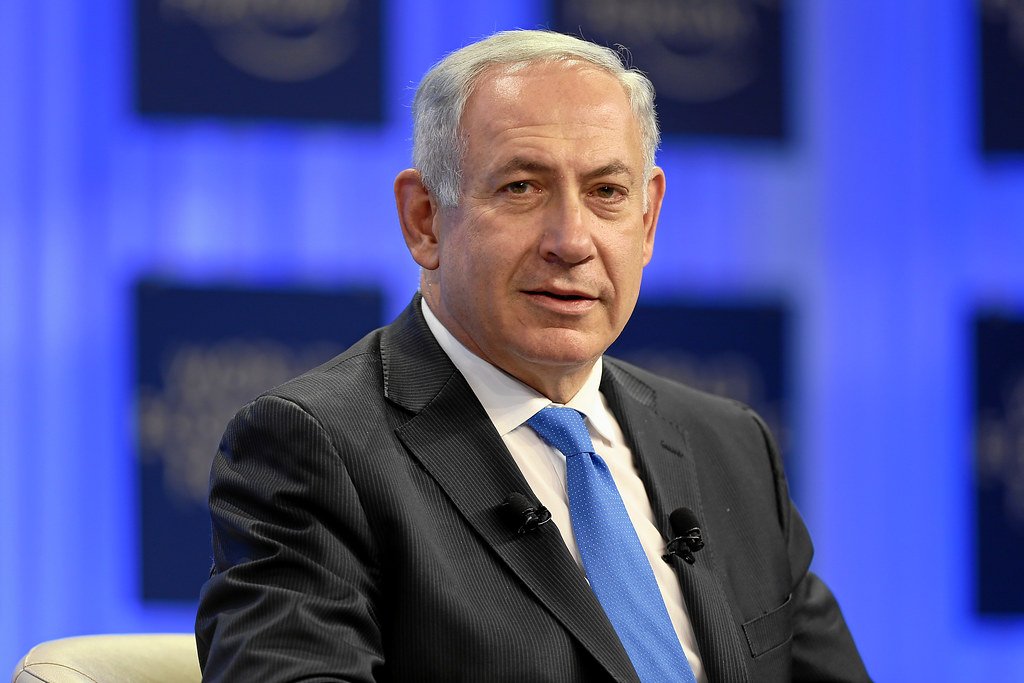

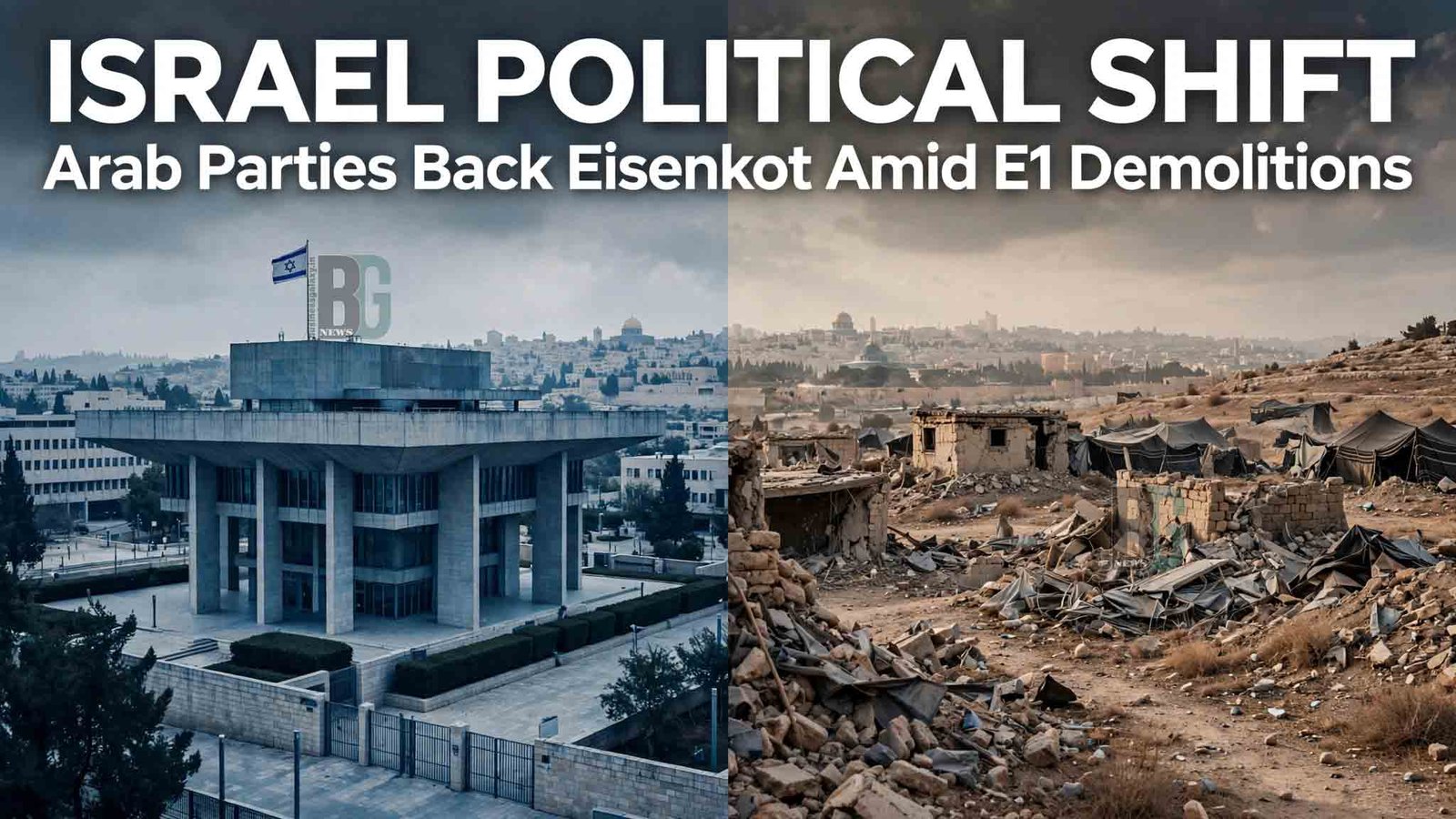
JERUSALEM: Israel’s political landscape has witnessed a significant development after two Arab-led political parties, the Joint List and Ra’am, backed opposition leader Gadi Eisenkot to form the country’s next government, strengthening efforts to replace Prime Minister Benjamin Netanyahu.
The two parties together represent 19 seats in Israel’s 120-member Knesset. Their recommendations helped Eisenkot secure support from 67 lawmakers, compared with 46 for Netanyahu.
However, the recommendations do not automatically mean that all supporting parties will join Eisenkot’s government. Coalition negotiations and political disagreements remain major challenges.
Arab Parties Support Eisenkot
- The Joint List, an Arab-led political alliance, announced its unanimous decision to recommend Gadi Eisenkot to President Isaac Herzog as the candidate to form the next government.
- Ra’am, led by Mansour Abbas, had already announced its support for Eisenkot.
- The Joint List said its decision was aimed at responding to public demands to prevent Netanyahu and his government from returning to power.
- The support from both Arab-led parties increased Eisenkot’s parliamentary recommendations to 67, exceeding the 61 seat majority threshold in the Knesset.
Does This Mean Arab Parties Will Join the Government?
- Not necessarily.
- Recommending a candidate to form a government is different from formally joining a governing coalition.
- The Arab parties have indicated their willingness to support efforts to replace Netanyahu, but their participation in a future government remains uncertain.
- Eisenkot also faces challenges in securing agreement among his other political allies, some of whom have reservations about cooperation with Arab-led parties.
- President Isaac Herzog has announced that he intends to nominate a member of the Knesset to form the government on November 8.
- The candidate receiving the mandate will have 28 days to form a government, with a possible 14 day extension.
Israel Demolishes Palestinian Bedouin Community in E1 Area
- In a separate development, Israeli authorities have demolished nearly half of the Palestinian Bedouin community of Bir al-Maskub, located in the E1 area east of occupied Jerusalem.
- The demolitions took place on November 3 and affected approximately four residential compounds, including homes, kitchens and sanitation facilities.
- According to Israeli human rights organisations Bimkom, Ir Amim and Peace Now, around 20 Palestinian residents were displaced.
- The organisations also reported that demolition orders had been renewed for all remaining structures, raising concerns that the entire community could face displacement.
Controversial E1 Settlement Project
- The demolitions have renewed concerns over Israel’s proposed E1 settlement project, which involves plans to construct approximately 3,401 housing units between occupied East Jerusalem and the Ma’ale Adumim settlement.
- Palestinian authorities and human rights organisations argue that the project could further restrict territorial connections between northern and southern parts of the occupied West Bank.
- The Palestinian Foreign Ministry has condemned the demolitions, describing them as part of efforts to advance settlement expansion and displace Palestinian communities.
- Israeli authorities have generally justified demolitions of Palestinian structures by citing the absence of required building permits. However, human rights organisations argue that obtaining such permits is extremely difficult for Palestinians in areas under Israeli control.
Two Major Developments in Israel
- The political developments surrounding Eisenkot’s attempt to replace Netanyahu and the demolitions in the E1 area highlight two important issues shaping Israel’s current political and regional situation.
- While Arab-led parties are playing a significant role in the parliamentary process, the future of Palestinian communities and settlement expansion remains a major source of tension.
- Whether Eisenkot can translate his 67 parliamentary recommendations into a functioning government remains uncertain. Meanwhile, the displacement of Bedouin families in the E1 area has raised further concerns among Palestinian representatives and human rights organisations.