

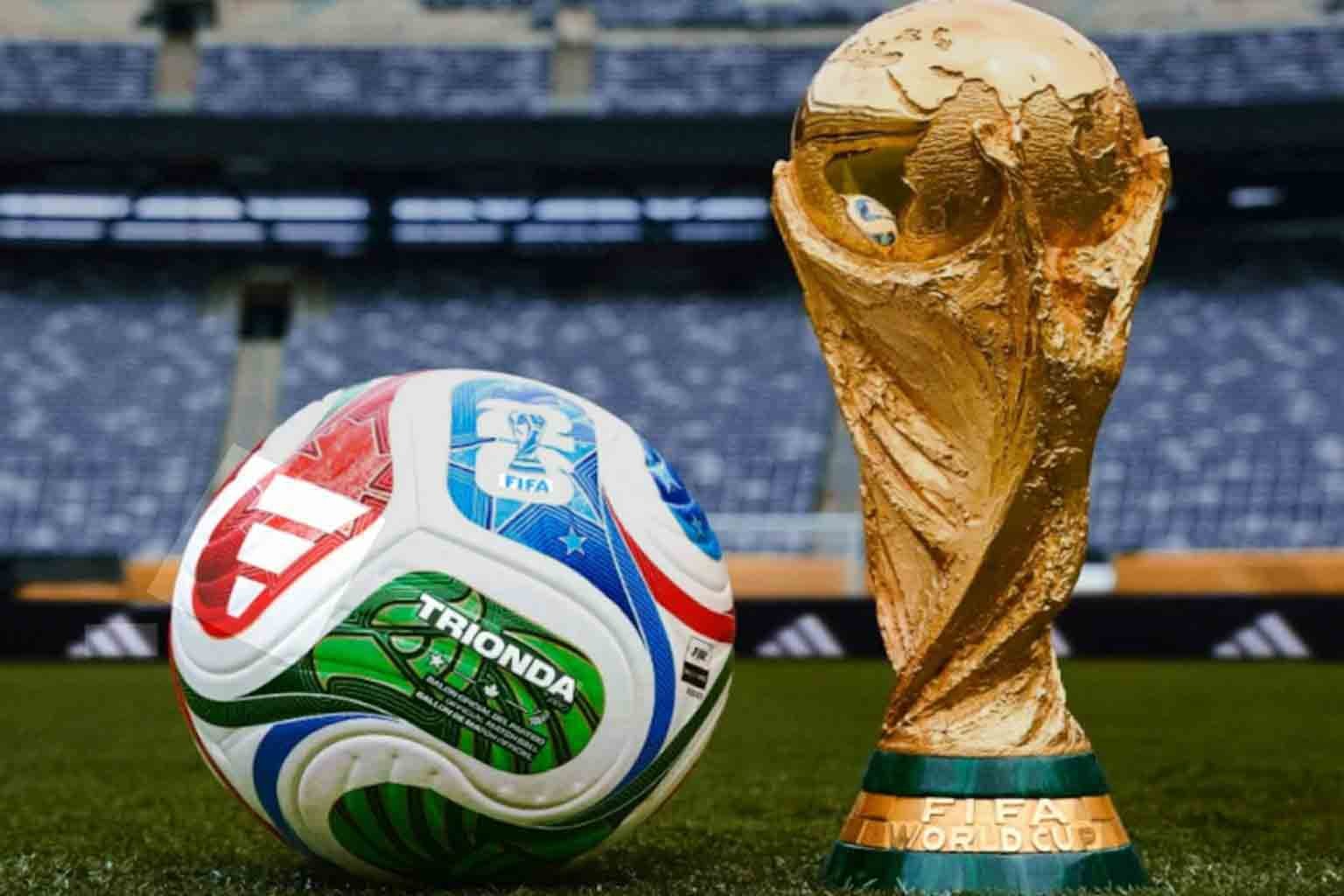
Global security experts have warned that the upcoming 2026 FIFA World Cup could face increased terror threats because of ongoing instability and conflict in the Middle East. The tournament, which will be jointly hosted by the United States, Canada and Mexico, is expected to become the biggest FIFA World Cup in history, featuring 48 teams and more than 100 matches across multiple cities.
Counter-terrorism analysts say the current geopolitical situation involving Iran, regional militant groups, and Western powers has created a more complex security environment for international events. Officials fear that the World Cup’s massive crowds, worldwide attention, and large public gatherings could make it a potential target for extremist activities.
Security experts believe the threat may not only come from large coordinated attacks but also from smaller “Soft target” incidents. These could include vehicle attacks, drone threats, cyberattacks, lone attackers, or assaults near fan zones, hotels, airports, railway stations and crowded public celebrations outside stadiums.
The situation has become even more sensitive because Iran has already qualified for the tournament. Analysts say rising political tensions between Iran and the United States may create additional diplomatic and security challenges surrounding travel permissions, fan movement, and match arrangements during the competition.
Reports suggest that U.S. federal agencies, including intelligence and homeland security departments, have already intensified coordination with local police forces and international partners to strengthen security planning for the event. Authorities are reportedly preparing one of the largest security operations ever seen at a sporting tournament.
Security measures expected for the World Cup include:
- Advanced anti drone systems
- Increased airport and border screening
- Cybersecurity monitoring
- AI-powered surveillance systems
- Emergency response teams
- Intelligence sharing between multiple countries
- Heavy police deployment around stadiums and fan zones
Former intelligence officials have also warned about the risk of “Sleeper cells” or self radicalized individuals attempting attacks during high profile international events. Experts say fan zones and crowded public viewing areas may be more vulnerable because they are harder to secure compared to stadium interiors.
Despite the warnings, FIFA and host governments have assured fans that extensive security preparations are already underway. Officials insist that safety remains the top priority and that authorities are working closely with global intelligence agencies to prevent potential threats.
The 2026 FIFA World Cup is expected to attract millions of fans from around the world, making it not only a major sporting event but also one of the largest international security operations in modern history.