
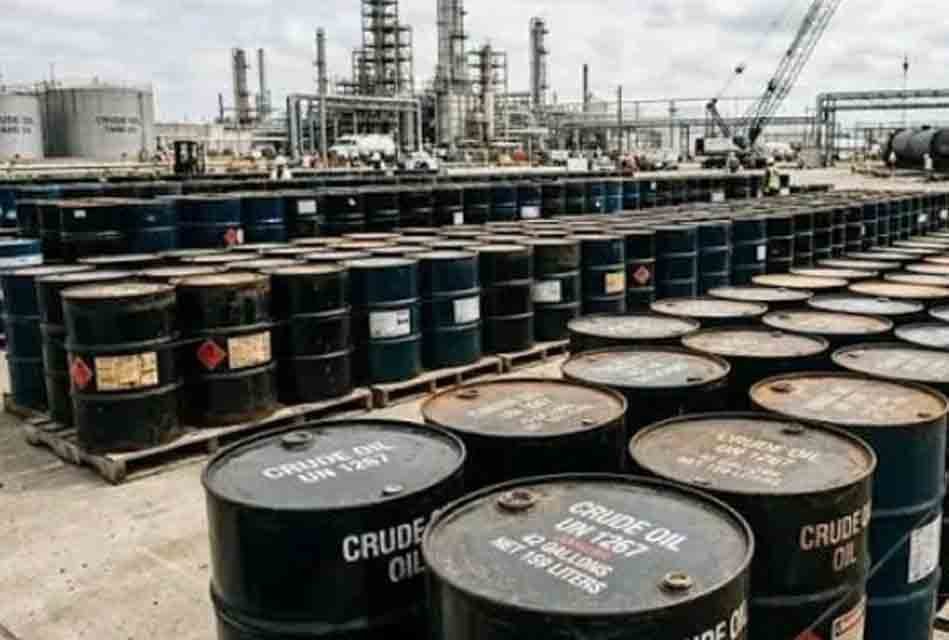
Oil prices have surged to multi-year highs as tensions in the Middle East continue to disrupt global supply and boost demand concerns. On Monday, U.S. crude (WTI) rose above $105 per barrel, while Brent crude climbed past $110 per barrel, marking levels not seen in several years.
Analysts attribute the sharp rise to a combination of geopolitical uncertainty and strong global demand. The ongoing conflict in the Middle East has raised fears over supply disruptions, leading buyers in Asia and Europe to compete aggressively for available crude.
The U.S. crude market has seen record premiums, reflecting the tight supply and heightened competition in international markets. Traders say the situation is being closely monitored, as any escalation in the region could further push oil prices higher.
Energy experts also warn that rising oil costs could have wider economic impacts, potentially affecting fuel prices, inflation, and transportation costs worldwide. Governments and companies dependent on imported oil are keeping a close watch on developments, especially in light of the ongoing geopolitical risks.
Investors and consumers are advised to stay updated as the situation evolves, since Middle East tensions continue to be a major factor influencing global energy markets.