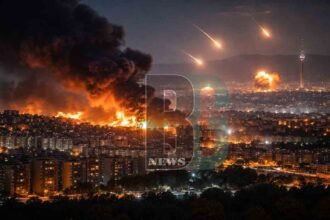

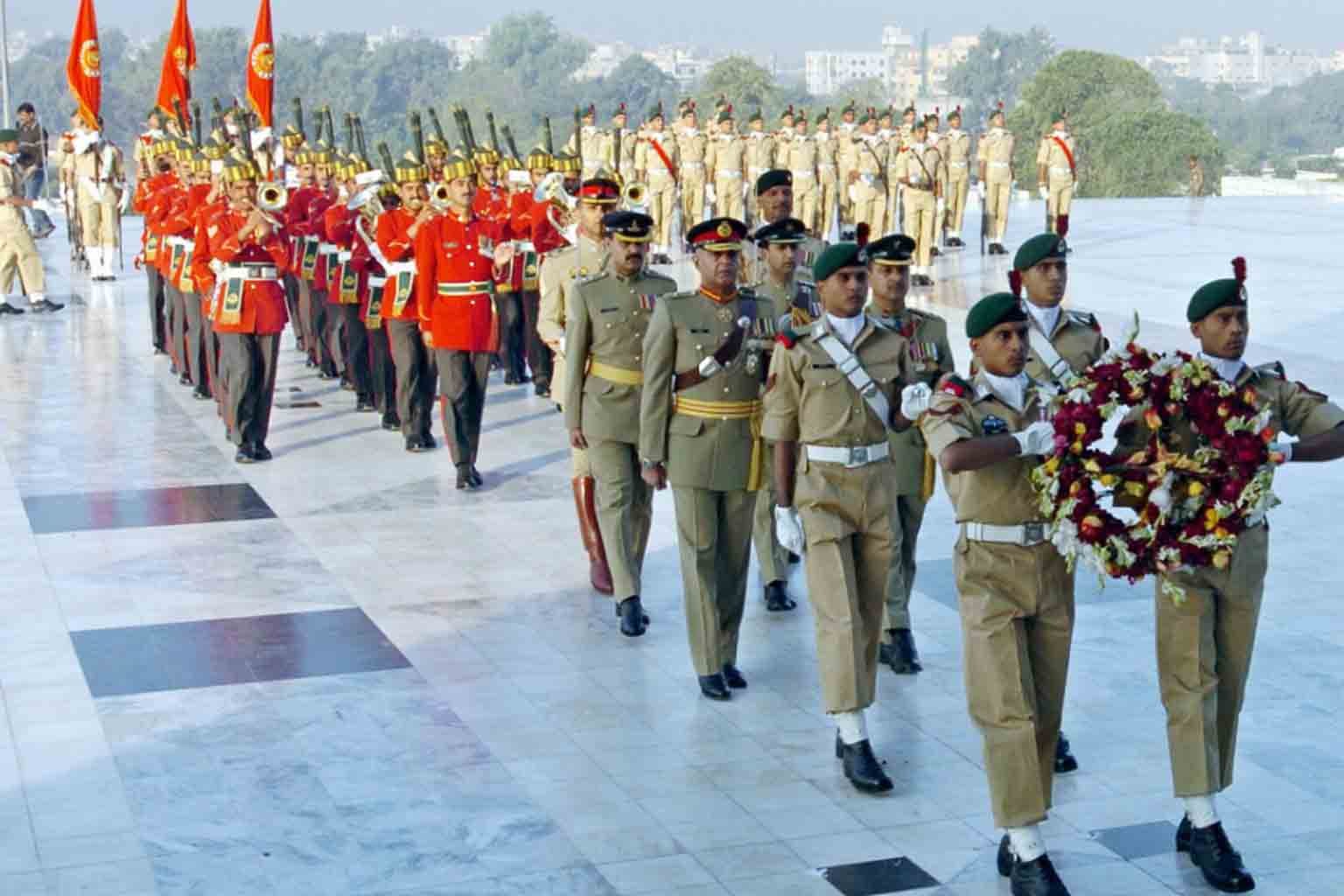
Rising tensions in the Middle East are beginning to ripple across the global economy, with early signs of disruption already visible in energy dependent nations. Pakistan has announced the cancellation of its Republic Day military parade, citing fuel shortages linked to the ongoing oil crisis triggered by regional instability.
The decision underscores the growing strain on countries heavily reliant on imported energy. As supply chains tighten and oil prices climb, governments are being forced to prioritize essential services over ceremonial or large scale public events.
Oil Supply Under Pressure
The Middle East remains a critical hub for global oil exports, and any escalation in conflict threatens key shipping routes such as the Strait of Hormuz. Even the perception of risk has pushed markets into volatility, driving up crude prices and increasing transportation and production costs worldwide.
Pakistan Feels Immediate Impact
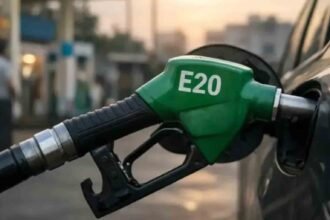
Pakistan, already facing economic challenges, has been among the first to experience direct consequences. Fuel shortages have led authorities to conserve resources, prompting the cancellation of high consumption events like military parades. Officials say the move is part of broader efforts to manage limited energy supplies.
Global Economic Concerns
Analysts warn that if tensions persist, the effects could spread further:
- Increased fuel prices could drive inflation globally
- Supply chain disruptions may impact manufacturing and trade
- Developing economies could face severe fiscal pressure
Energy importing countries in Asia and Africa are particularly vulnerable, as they depend on stable oil flows to sustain growth and infrastructure.
What’s Next?
Markets remain highly sensitive to developments in the region. Any escalation or disruption to oil transit routes could deepen the crisis, while diplomatic efforts may help stabilize supply and ease price pressures.
For now, Pakistan’s decision serves as an early signal of how geopolitical conflict can quickly translate into economic strain far beyond the battlefield.