
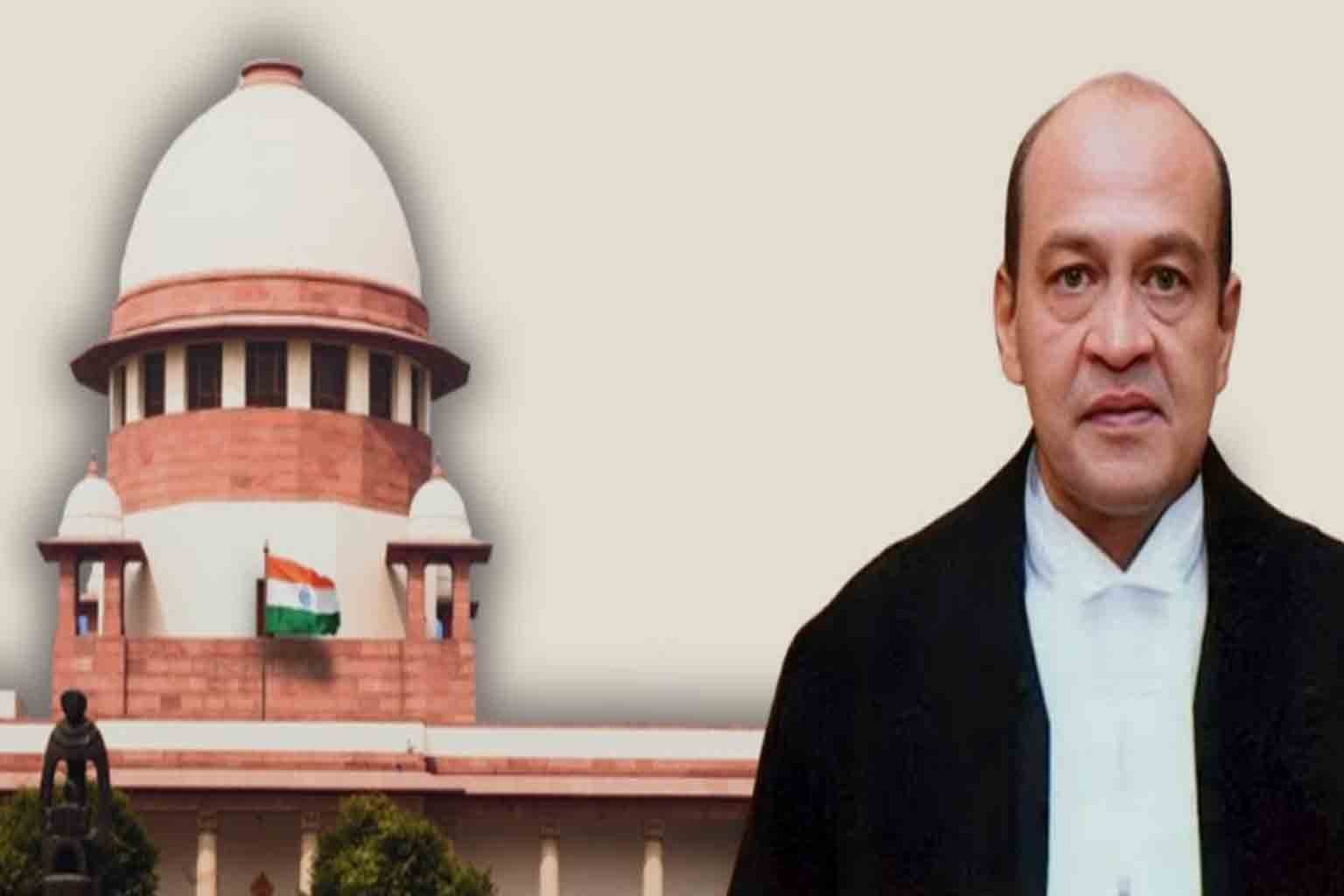
The Supreme Court on Friday rejected a petition filed by Allahabad High Court judge Justice Yashwant Varma, challenging the Lok Sabha Speaker’s decision to constitute an inquiry committee in connection with an impeachment motion against him.
A bench comprising Justice Dipankar Datta and Justice Satish Chandra Sharma held that there was no illegality in the Speaker’s action under the Judges (Inquiry) Act, 1968, and declined to interfere with the ongoing parliamentary process.
Justice Varma had approached the apex court questioning the formation of the three-member inquiry committee, arguing that impeachment motions were submitted in both the Lok Sabha and the Rajya Sabha on the same date. He contended that under the law, such a situation required a joint committee to be constituted by the Speaker of the Lok Sabha and the Chairman of the Rajya Sabha together.
The petition further argued that since the Rajya Sabha motion was later rejected by the Deputy Chairman, the Lok Sabha Speaker should not have proceeded independently with the inquiry committee. Justice Varma claimed this amounted to a procedural violation.
However, the Supreme Court rejected these arguments, observing that no prejudice was caused to the petitioner and that the Lok Sabha Speaker acted within constitutional and statutory powers once the Rajya Sabha motion was not admitted. The court ruled that the Speaker was entitled to proceed with the inquiry under the existing legal framework.
With the dismissal of the plea, the parliamentary inquiry committee will continue its investigation into the allegations against Justice Varma. The findings of the committee will determine whether the impeachment motion progresses further in Parliament.
Under the Constitution, the removal of a judge requires approval by a special majority in both Houses of Parliament, followed by the President’s assent.
The impeachment proceedings stem from a controversy related to the recovery of a large sum of cash from Justice Varma’s official residence following a fire incident in 2025. An in-house inquiry reportedly found his explanations unsatisfactory, leading to the initiation of parliamentary action.
The Supreme Court’s ruling effectively clears the way for the Lok Sabha constituted inquiry panel to proceed without judicial interference.