
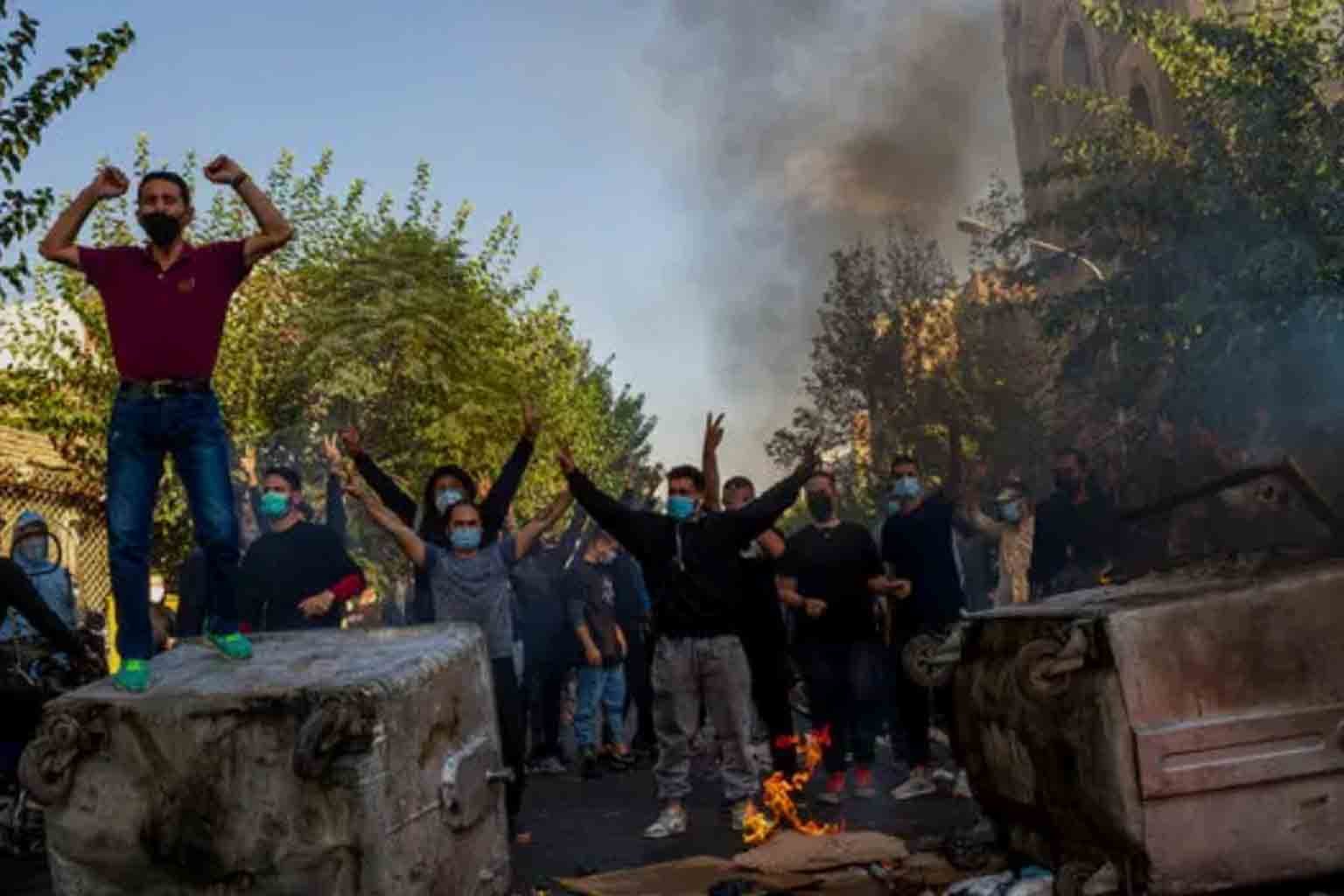
Iran is witnessing widespread and deadly unrest as protests continue to spread across several cities, prompting strong warnings from the country’s top leadership to both protesters and foreign governments.
The protests, which began over economic hardship, rising inflation, unemployment and political restrictions, have grown into one of the most serious challenges to the Iranian government in recent years. Demonstrations erupted in major cities including Tehran and later spread nationwide.
Deadly Crackdown and Arrests
Clashes between protesters and security forces have turned violent. According to human rights groups and local reports:
- Dozens of people have been killed
- Thousands have been arrested
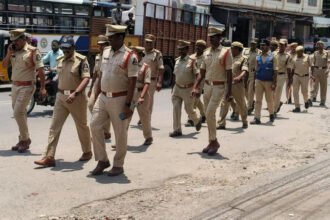
- Security forces have used tear gas, batons and live ammunition in some areas
Authorities have not released full casualty figures but insist they are responding to what they describe as “Riots” rather than peaceful protests.
Judiciary Issues Stern Warning
Iran’s top judicial authority has warned that there will be “No leniency” for protesters accused of violence or actions against the state. The judiciary accused demonstrators of being influenced or supported by foreign enemies, particularly the United States and Israel, claiming the unrest is part of an attempt to destabilize Iran.
Leadership’s Message: Resistance and Control
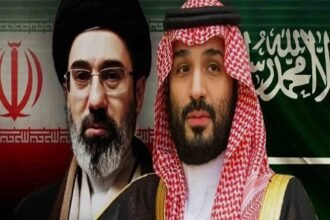
- Supreme Leader Ayatollah Ali Khamenei condemned the protests, calling them foreign backed and warned that Iran would stand firm against both internal unrest and external pressure.
- At the same time, President Masoud Pezeshkian struck a slightly softer tone, urging security forces to differentiate between peaceful protesters and violent groups, while acknowledging public frustration over economic conditions.
Warning to Foreign Powers
Iranian military and political leaders also issued sharp warnings to foreign governments, stating that any attempt to interfere in Iran’s internal affairs would be met with a strong response. Officials rejected statements from Western leaders criticizing Iran’s handling of the protests and warned against crossing Iran’s “Red lines.”
Rising Regional Tensions
The unrest has unfolded amid heightened regional tensions and strained relations with the U.S. and its allies. Iranian officials say external pressure and rhetoric have emboldened protesters and worsened the situation.
Situation Remains Volatile
Despite the warnings, protests have continued in several areas, with heavy security deployment across major cities. Internet restrictions and tight controls on public gatherings remain in place as the government seeks to prevent further escalation.
The crisis highlights deep economic and political discontent within Iran, while also raising concerns internationally over human rights, stability and the possibility of further violence.