
During a recent round of negotiations with the Taliban led Afghan government, the Islamabad administration made startling revelations that have escalated tensions between the two neighbours. Pakistan publicly acknowledged a previously undisclosed “agreement with a foreign country” that permitted it to carry out drone strikes inside Afghanistan’s territory a move that has provoked fierce condemnation from Kabul and threatens the fragile cease fire between the two nations.
Key Revelations & Developments
- According to reports, Pakistan admitted during the talks (hosted under the mediation of Istanbul) that it has a confidential arrangement with a third country allowing drone attacks on Afghan land when militant groups launch operations into Pakistan. Afghanistan claimed this declaration breached its sovereignty and was unacceptable.
- Pakistan’s Defence Minister Khawaja Muhammad Asif reiterated that any militant attack coming from Afghan soil would be treated as a violation of the cease fire pact and that Islamabad reserved the right to defend itself. At the same time, he placed the burden for peace squarely on the Afghan side: “The ball is in their court.”
- In reaction, the Afghan side accused Pakistan of using the talks to justify unilateral military actions rather than engage in genuine diplomacy. Kabul denied harbouring militant operations deliberately and demanded that no foreign power be allowed to “strike at will” inside Afghan territory.
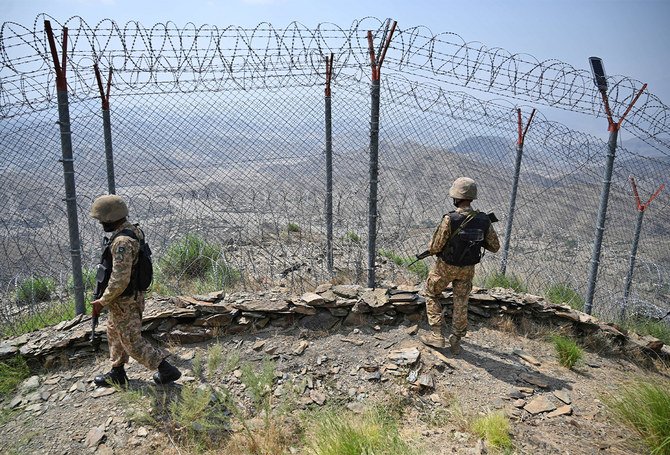
- The border crossings between the two countries most notably the Torkham and Chaman gateways remain tense. Pakistan had earlier shut several crossings following artillery exchanges. The drone strike revelation has added a fresh layer of mistrust.
Significance & Risks
- The admission by Pakistan of a “third party drone pact” is rare and carries major implications for regional norms on sovereignty, military intervention and the Afghanistan – Pakistan relationship.
- The shift from covert talks to public release of such a sensitive admission marks a change in Islamabad’s diplomatic posture harnessing pressure on Kabul while signalling to external actors.
- For the Afghan Taliban government, which seeks international legitimacy, the incident erodes trust and may hamper Afghanistan’s prospects of being a “Neutral” partner in regional diplomacy.
- The episode increases the risk that the temporary cease fire could collapse, leading to renewed cross border hostilities and broader destabilisation of the Pakistan – Afghanistan frontier.
What to Watch Next
- Whether Turkey or Qatar mediators in the process step in with a peace plan adjustment to preserve talks and salvage the cease fire.
- Whether Pakistan names the “foreign country” involved in the drone pact and how that will play out diplomatically.
- Whether the Afghan side initiates legal or diplomatic processes against Pakistan’s admission of strikes as a breach of international law.
- Whether militant groups such as the Tehrik‑e‑Taliban Pakistan (TTP) exploit the rift to resume incursions, prompting Pakistan to retaliate militarily.