
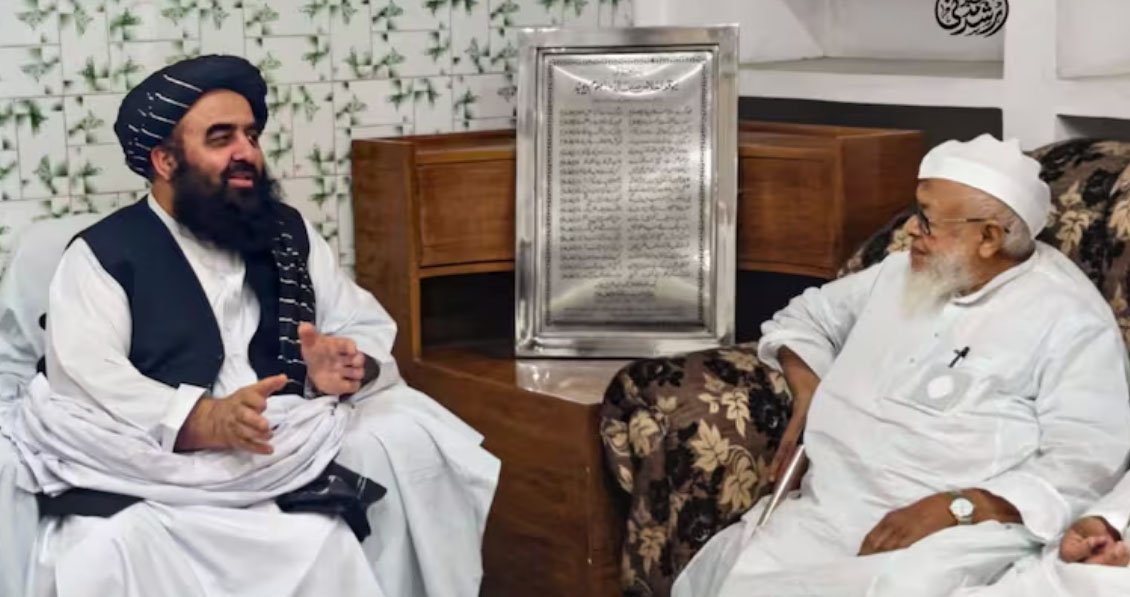
Afghanistan’s Foreign Minister, Amir Khan Muttaqi, made a historic visit to Darul Uloom Deoband, the famed Islamic seminary in Uttar Pradesh, during his ongoing India trip. The visit held Symbolic, Religious and Diplomatic weight, as it linked the Taliban leadership with an institution deeply respected in South Asian Islamic Education.
Awards Ceremonies & Honors Granted
- On his arrival, Muttaqi was conferred the honorary title “Qasmi” by the seminary administration, along with a Hadith Sanad (a certificate granting authority to teach hadith).
- He took part in a scholarly session inside the seminary, where senior scholars led him through hadith and scriptural discussions.
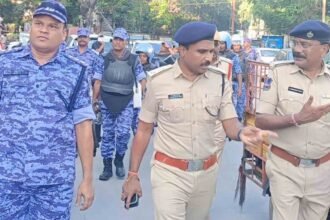
- A large crowd of students and scholars gathered to receive him, with the event managed under tight security due to the expected turnout.
Key Statements & Messages from Muttaqi
While at Deoband, Amir Khan Muttaqi delivered several notable remarks:
1. Praise for Darul Uloom Deoband
He lauded the seminary as the “Mother of Knowledge” (“Madre Ilm”), calling it a beacon of scholarship and spiritual legacy. He expressed deep gratitude to scholars and students for their warm reception.
2. Optimism for India Afghanistan Relations
He said that the future of relations between India and Afghanistan looked “very bright,” noting the respectful reception he had received both in New Delhi and at Deoband. He spoke of potential diplomatic exchanges and hopes for more frequent visits between the two countries.
3. Assertion of Non-Political Context
Responding to questions about whether political talks took place, Muttaqi and seminary leaders stressed that the visit was focused on religion, education, and spiritual dialogue, not formal politics. One cleric clarified, “There was no political conversation we spoke about knowledge, faith, and learning.”
4. Symbolic Shift in Religious Orientation
Observers note that by publicly embracing Deoband, a seminary rooted in Indian Islamic history, the Taliban leadership may be signaling a subtle move away from Pakistan centric religious narratives. Some analysts saw this as Afghanistan’s attempt to re-anchor Deobandi identity within its older cultural connections, rather than contemporary geopolitical divisions.
Importance & Implications
- Symbolic Reconciliation: Deoband’s standing as a respected institution gives the visit spiritual legitimacy, making cultural and educational bridges between India and Afghanistan more possible.
- Religious Realignment: The “Madre Ilm” praise hints at Afghanistan’s interest in reasserting its own religious heritage, rather than being tied solely to externally influenced seminaries.
- Public Diplomacy: The visit provides soft power optics: the Taliban leadership signaling respect for Indian religious institutions and communities.
- Educational & Clerical Network: By receiving a teaching authority, Muttaqi may seek to strengthen ties among ulema (Islamic scholars) across South Asia, possibly influencing transnational religious education networks.