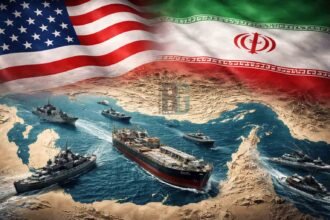

A growing debate has emerged among geopolitical analysts over whether the United Arab Emirates powerful network based foreign policy strategy can protect it during major regional crises, especially amid rising tensions involving Iran and the Gulf.
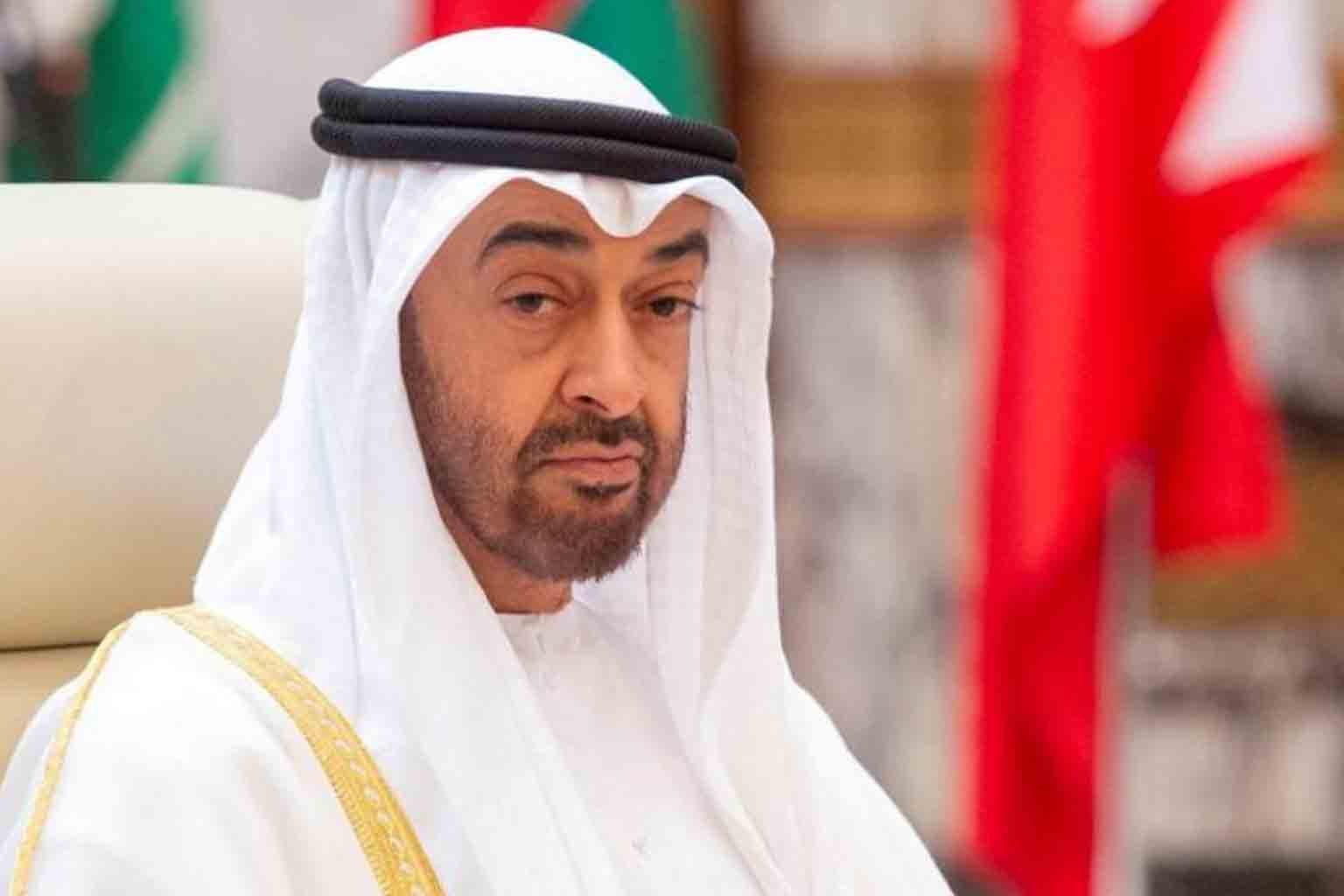
Under the leadership of Mohammed bin Zayed Al Nahyan, Abu Dhabi developed a highly influential regional model based on economic power, logistics, investment networks, diplomacy, media influence, and security partnerships.
Over the past decade, the UAE expanded its reach far beyond its size by building control and influence through ports, trade corridors, sovereign wealth funds, private military companies, energy investments and strategic alliances across the Middle East and Africa.
Analysts describe this strategy as “weaponised interdependence” using economic and logistical connections to gain political influence and shape regional outcomes without relying only on military strength.
The UAE became deeply involved in regional conflicts and negotiations, including in Yemen, Sudan, Libya and Horn of Africa politics, while also positioning itself as a major global business and diplomatic hub.
However, recent tensions involving Iran and the Islamic Revolutionary Guard Corps have raised questions about the limits of this strategy.
According to analysts, while the UAE possesses extensive financial and diplomatic influence, those networks may offer limited protection during direct military escalation in the Gulf region. Critics argue that economic leverage and partnerships cannot easily replace traditional strategic depth or military deterrence when regional security threats intensify.
The discussion gained attention as fears continue over possible disruption in Gulf shipping routes, energy markets and regional stability following recent confrontations involving Iran and Western allies.
Experts say the UAE now faces the difficult challenge of balancing its role as a global economic hub while avoiding direct confrontation in an increasingly unstable Middle East.
Despite these concerns, Abu Dhabi continues to maintain strong international partnerships with the United States, Europe and regional allies while pushing diplomatic solutions to prevent wider conflict in the Gulf.