
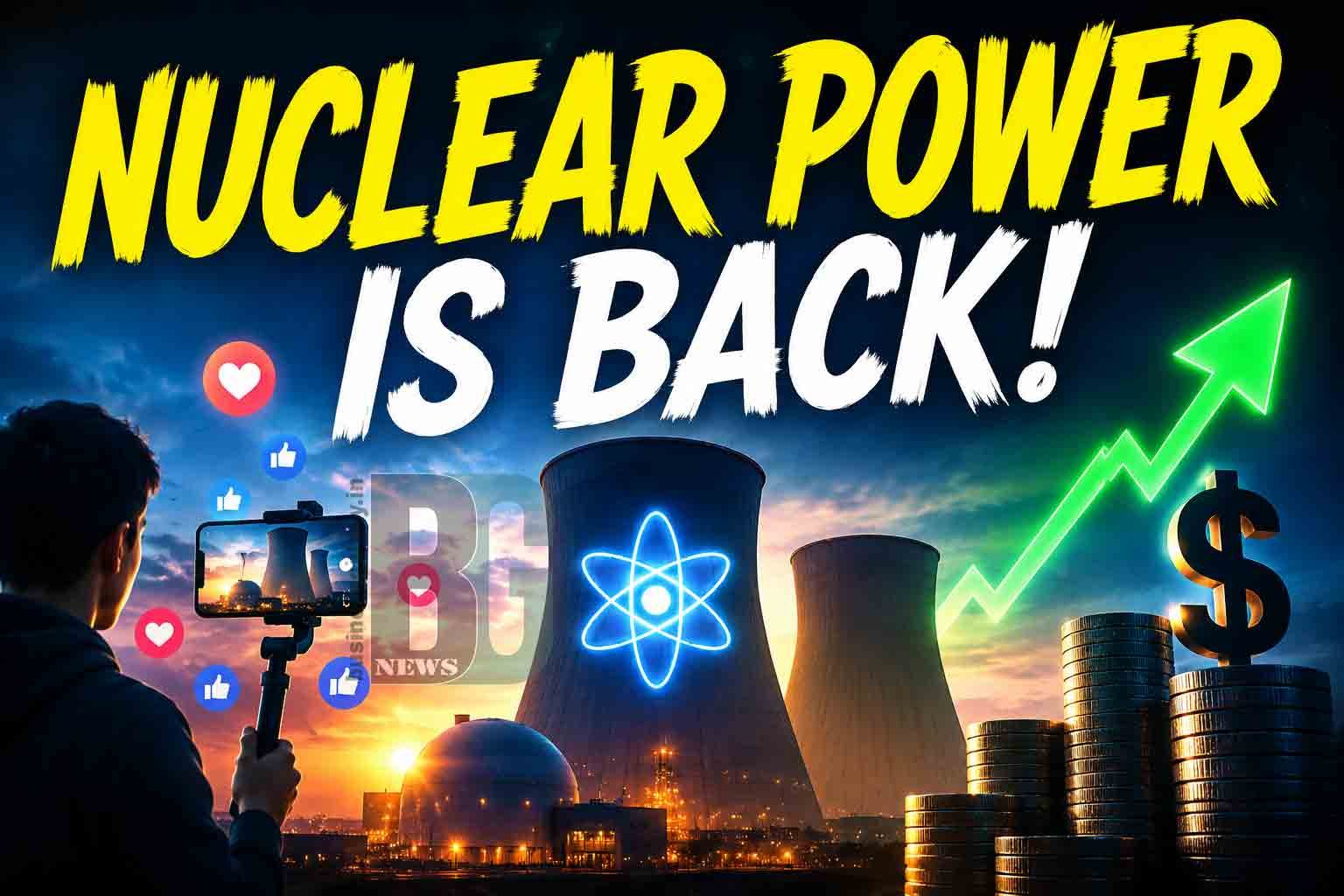
Nuclear power, once viewed by many as an outdated and controversial energy source, is undergoing a dramatic global comeback. A new wave of private investment, rising electricity demand and growing online support from social media creators known as “Nuke influencers” is helping reshape the industry’s image for a new generation.
Across platforms like YouTube, X and podcasts, nuclear energy advocates are promoting atomic power as a reliable, low carbon solution to climate change and future energy shortages. These influencers, including scientists, engineers and technology commentators, argue that nuclear energy provides stable electricity without the carbon emissions associated with coal and natural gas.
The renewed interest comes at a time when countries worldwide are facing increasing pressure to reduce greenhouse gas emissions while also meeting rapidly growing electricity demand from artificial intelligence, electric vehicles, semiconductor manufacturing and massive data centers.
Technology companies and private investors are now pouring billions of dollars into advanced nuclear projects. A major focus has been placed on Small Modular Reactors (SMRs), compact next-generation reactors designed to be safer, cheaper and faster to build compared to traditional nuclear plants.
Several startups backed by global investors are developing advanced reactor technologies that promise improved safety systems, reduced radioactive waste and more efficient fuel use. Some companies are also exploring portable micro reactors for industrial operations, remote regions and military applications.
Governments across the world are increasingly supporting the nuclear revival. The United States, France, China, India and the United Kingdom have all announced plans to expand or modernize nuclear energy infrastructure as part of long term climate and energy security strategies.
Supporters argue that renewable energy sources like solar and wind alone may not be enough to provide stable electricity around the clock. Nuclear energy, they say, offers a dependable “baseload” power supply capable of supporting national grids during periods when solar or wind output declines.
The rise of AI technology has further accelerated interest in nuclear power. Large AI data centers require enormous amounts of electricity, leading many experts to believe that nuclear energy could become essential for powering future computing infrastructure.
Despite the growing optimism, the industry still faces major criticism and public concern. Opponents warn about radioactive waste disposal, the high cost of nuclear plant construction, accident risks and fears linked to historical disasters such as Chernobyl and Fukushima.
Environmental activists remain divided. Some climate campaigners now support nuclear energy as part of the clean energy transition, while others continue to oppose it due to safety and environmental concerns.
Analysts say the future of nuclear power may depend on whether the industry can successfully prove that next generation reactors are economically viable, safe and capable of being built faster than older nuclear projects.
As global competition for energy security intensifies, nuclear power is no longer seen only as a legacy industry. It is increasingly being viewed as a strategic technology tied to climate goals, industrial growth, artificial intelligence expansion and geopolitical influence in the decades ahead.