
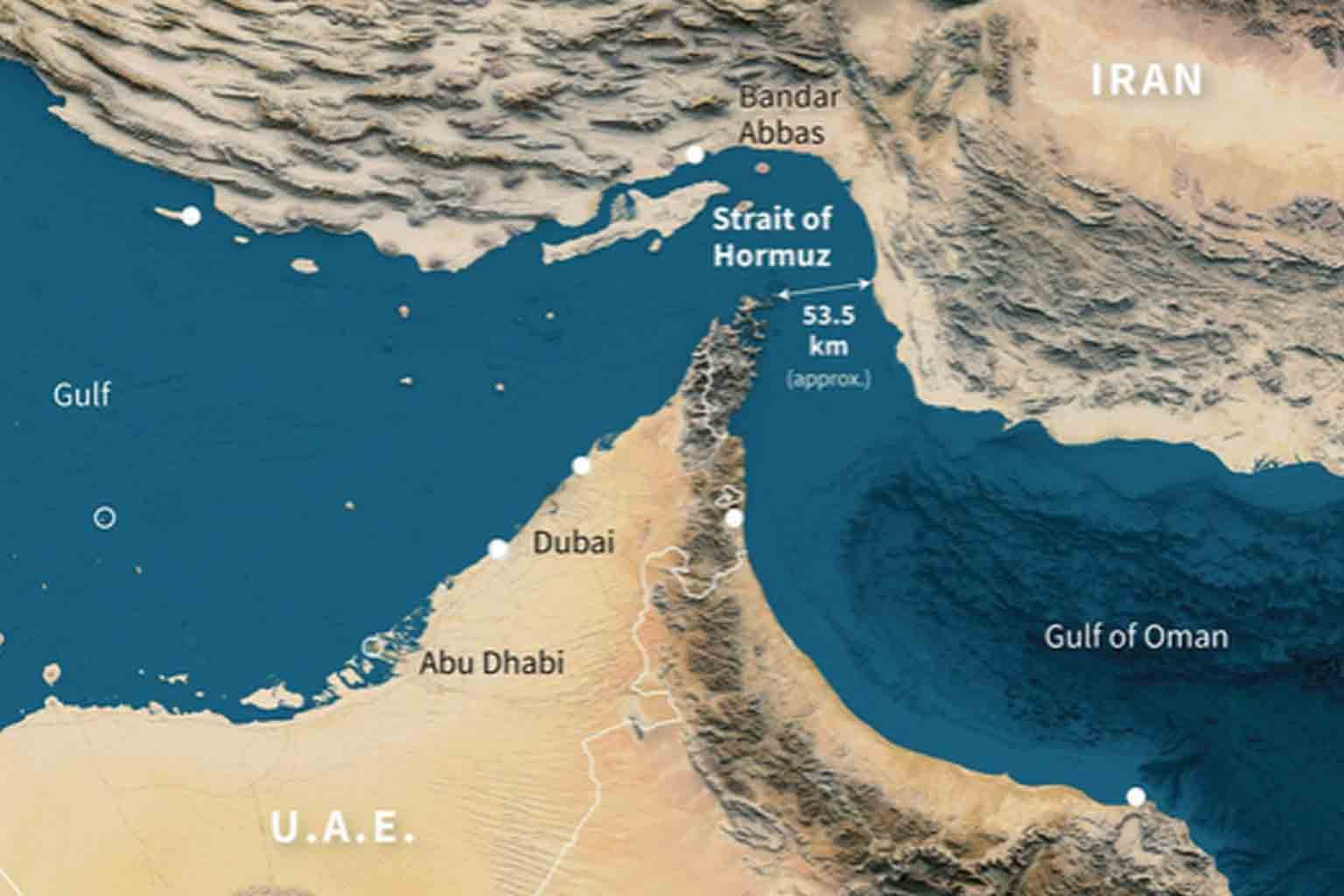
Fresh uncertainty has emerged over efforts to end the conflict between the United States and Iran after Tehran announced the closure of the Strait of Hormuz once again, citing alleged violations of the interim agreement and continued Israeli military operations in Lebanon.
Iran’s Khatam al-Anbiya Central Headquarters, the country’s top military command, said the decision was taken in response to what it described as breaches of commitments by the United States and Israel. Iranian officials warned that additional measures could follow if military actions in the region continue.
The move comes only days after commercial vessels had resumed transiting through the strategic waterway following the signing of an interim memorandum of understanding between Washington and Tehran. The Strait of Hormuz is one of the world’s most important energy corridors, carrying a significant portion of global oil and gas shipments.
Iran has linked the latest closure to ongoing Israeli airstrikes in Lebanon, arguing that the attacks undermine the broader ceasefire framework that formed part of the understanding between Tehran and Washington. The situation has raised concerns that diplomatic progress achieved in recent weeks could be at risk.
Despite the renewed tensions, preparations for negotiations in Switzerland are continuing. US Vice President JD Vance said American negotiators are already in Switzerland handling technical discussions and preparing for the next phase of talks. Senior US envoys Steve Witkoff and Jared Kushner have also arrived ahead of the planned negotiations.
Pakistan has indicated that technical discussions between the United States and Iran are expected to begin on Sunday, while Qatar continues to support mediation efforts aimed at keeping the diplomatic process alive.
However, Iranian officials have signalled that meaningful progress may be difficult unless the situation in Lebanon stabilises. Tehran has repeatedly stated that continued Israeli military operations could jeopardise implementation of the interim agreement and complicate discussions on sanctions relief, regional security and Iran’s nuclear programme.
Meanwhile, US Central Command said American forces remain present and vigilant in and around the Strait of Hormuz to help ensure maritime security and support implementation of the agreement. US officials have also disputed claims that shipping through the strait has completely stopped, saying commercial traffic continues despite Iran’s announcement.
Diplomatic observers say the coming days will be critical in determining whether the fragile agreement can survive mounting regional tensions and pave the way for broader negotiations on nuclear issues, sanctions and long term stability in the Middle East.