
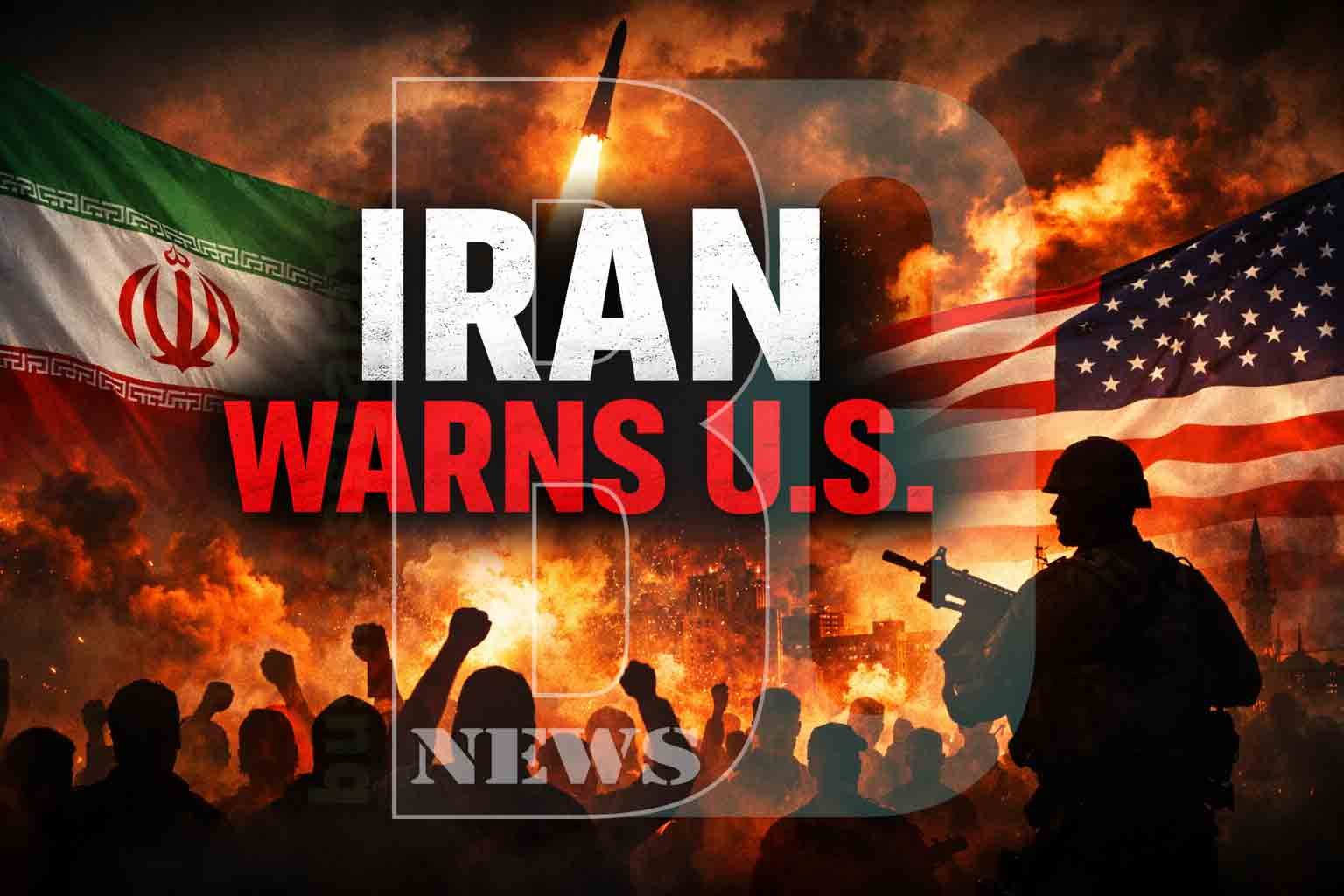
Iran is witnessing one of its most severe internal crises in recent decades, marked by widespread anti government protests, a harsh security crackdown, and sharply rising tensions with the United States.
What Iran Has Warned the United States
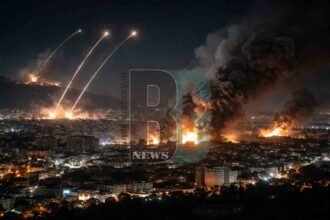
Iran has issued a strong warning to the U.S., stating that any military action or direct interference will be met with retaliation. Senior Iranian officials have said that American bases and interests across the Middle East would be targeted if Iran is attacked.
Tehran has accused Washington of encouraging unrest inside the country, alleging foreign involvement in the protests. Iranian leaders have repeatedly stated that the country will defend its sovereignty and that external pressure will not force political change.
U.S. Position and Rising Tensions
The United States has warned Iran against executing detained protesters, with President Donald Trump saying Washington would take “very strong action” if mass executions proceed. U.S. officials are reportedly reviewing diplomatic, economic and security options, though no formal military decision has been announced.
Washington has publicly expressed support for Iranian protesters, while increasing pressure on Tehran through political statements and potential sanctions.
Current Situation Inside Iran
Protests that began over economic hardship and governance issues have spread across multiple provinces. Demonstrations have continued despite strict security measures, curfews, and near total internet shutdowns imposed by authorities.
Human rights groups estimate that thousands of people have been killed or injured, with tens of thousands detained. Iranian courts have indicated that some detainees could face fast track trials on serious charges, raising concerns over possible executions.
The government maintains that it has largely restored order and describes the protests as riots driven by foreign interference. However, restrictions on communication have made independent verification difficult.
Humanitarian and Regional Concerns
The internet blackout has deepened the humanitarian crisis by limiting access to emergency services, financial transactions, and independent reporting. International organizations and several governments have condemned the use of force and called for restraint.
Regionally, analysts warn that any escalation between Iran and the United States could destabilize the Middle East, given the presence of U.S. forces and Iranian-aligned groups across the region.
Outlook
Iran now faces a volatile mix of domestic unrest, international pressure, and geopolitical risk. With protests continuing, warnings exchanged, and diplomatic channels under strain, the situation remains highly fluid, with significant implications for regional and global security.