

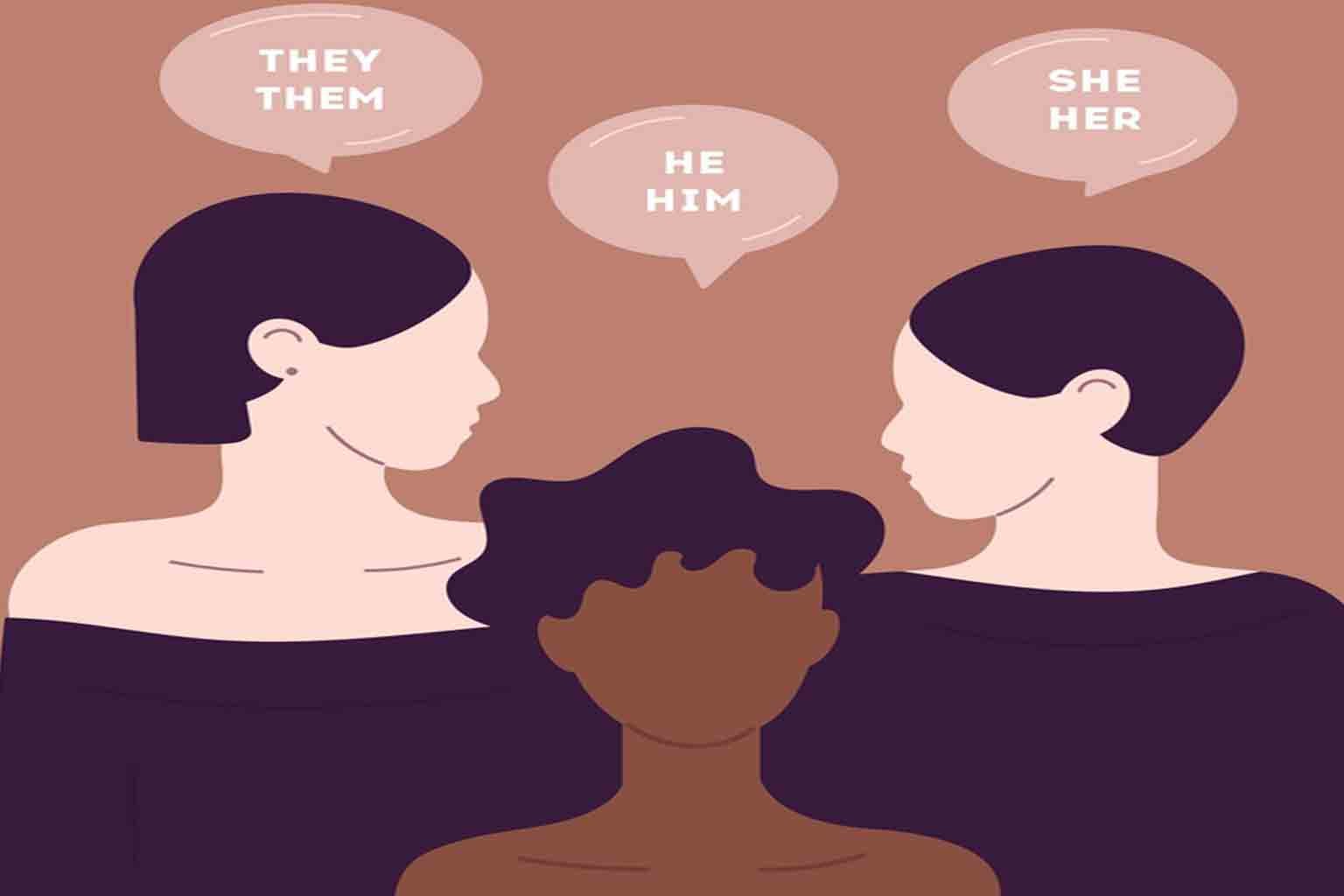
In many parts of the world, transgender people continue to face serious barriers in education and employment. While laws and policies are slowly evolving, experts say one principle remains central to real progress: the right to self determination the ability of individuals to define their own gender identity without interference.
This right is not just about identity. It directly affects access to schools, jobs and equal opportunities.
What Is the Right to Self Determination?
Self determination allows individuals to legally and socially identify as the gender they know themselves to be, without needing medical procedures, psychological evaluations, or court approvals.
For transgender people, this means being able to update official documents such as school records, identity cards, and job credentials to reflect their true identity. Without this recognition, everyday activities like enrolling in school or applying for jobs can become difficult or even impossible.
Barriers in Education
Transgender students often face discrimination, bullying, and administrative hurdles. When identity documents do not match their gender identity, students may be denied admission, misgendered in classrooms, or excluded from facilities.
This mismatch can lead to higher dropout rates and lower participation in higher education. Many students choose to leave school early to avoid harassment or repeated humiliation.
When self determination is recognized, schools are more likely to create inclusive environments. Students can enroll under their chosen names and genders, access appropriate facilities and feel safer participating in academic life.
Impact on Employment
The challenges continue in the job market. Employers may reject applications if documents do not align, or if candidates face bias during interviews. Even when hired, transgender employees may struggle with workplace discrimination, lack of recognition or unsafe environments.
Legal recognition of gender identity helps remove these barriers. It ensures that Resumes, Certificates and Identity proofs are consistent, making hiring smoother and fairer.
More importantly, it sends a signal that discrimination is unacceptable, encouraging companies to adopt inclusive hiring practices.
Economic and Social Benefits
Improving access to education and employment for transgender people has broader benefits. A more inclusive workforce boosts productivity, innovation and economic growth. When people are able to contribute fully, societies become stronger and more balanced.
Studies and advocacy groups have repeatedly shown that inclusion reduces poverty levels among marginalized communities and improves overall well being.
The Role of Policy and Awareness
Some countries have already introduced self determination laws, allowing individuals to change their gender markers through a simple administrative process. These policies are often linked with better outcomes in education and employment.
However, laws alone are not enough. Awareness, training, and social acceptance are equally important. Schools, universities and workplaces need to actively support inclusion through policies, training programs and safe spaces.
Challenges Still Remain
Despite progress, resistance continues in many regions. Cultural attitudes, lack of awareness and political debates often slow down reforms. In some places, transgender people still face legal and social barriers that limit their opportunities.
Advocates argue that recognizing self determination is a basic human right and a necessary step toward equality.
A Path Forward
As the global conversation around gender identity evolves, the importance of self determination is becoming harder to ignore. For transgender people, it is not just about recognition it is about access, dignity and opportunity.
Ensuring this right can open doors to education and employment, helping individuals build stable and fulfilling lives. In doing so, it also helps create a more inclusive and fair society for everyone.